





An Unprecedented Surge in Demand
According to the International Energy Agency's latest findings, global electricity consumption from data centres is projected to double by 2030, reaching approximately 1,000 terawatt-hours. To put that into perspective, this level of consumption is comparable
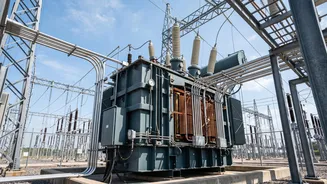
to the entire current electricity demand of Japan. The growth is staggering, with electricity use from data centres soaring by 17% in 2025 alone, far outpacing the 3% growth in overall global electricity demand. This acceleration is creating significant challenges for electricity grids, supply chains, and environmental goals, forcing a re-evaluation of how we power our digital future. The IEA warns this rapid expansion is putting immense pressure on power grids and the supply chains for essential equipment like transformers and cables.
The AI and Cloud Accelerants
The primary drivers behind this surge are artificial intelligence and our ever-increasing reliance on cloud computing. The IEA reports that electricity consumption from data centres focused specifically on AI surged by 50% in 2025. Training large AI models is an incredibly energy-intensive process, requiring massive computational power. But it's not just training; the deployment and use of AI applications, from generative AI to complex analytics, contribute significantly to this load. This boom is leading to massive investment, with major tech companies projected to spend over $700 billion in 2026, much of it on new AI-ready infrastructure. Three-quarters of the expected growth in data centre capacity is anticipated to come from facilities built specifically for AI workloads.
The Hidden Costs of Digital Life
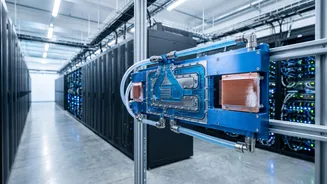
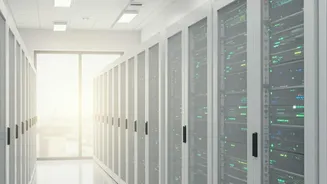
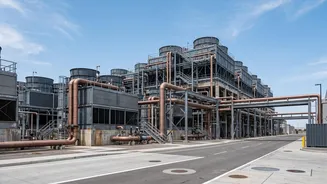
While AI development grabs headlines, our daily digital habits are also part of the equation. Every video stream, cloud-saved document, and online transaction is processed in a data centre. These facilities require vast amounts of power not only for the servers themselves but also for cooling systems to prevent overheating. In fact, cooling is one of the fastest-growing energy demands in buildings overall. The IEA notes that this explosive growth is not just an issue for tech companies; it has real-world consequences for communities, including strain on local power and water resources. In some cases, planned data centre projects could collectively demand more electricity than their host regions currently use at peak times.
A Complicated Environmental Picture
This rising electricity demand brings a significant environmental cost. The IEA projects that carbon emissions linked to data centres could increase by 70% by 2030. A concerning part of this trend is a renewed reliance on fossil fuels in key markets. In the United States, natural gas is expected to supply about 60% of data centre electricity by 2030. In China, coal could account for roughly half of the power for its AI data centres. This stands in contrast to the European Union, where renewables are projected to meet around 70% of data centre electricity needs. While many large tech operators are major corporate buyers of renewable energy, the sheer pace of growth is, for now, outpacing the availability of clean power in some of the world's biggest markets.
The Race for a Greener Digital Future
The technology industry is not sitting idle. There is a dual effect where AI itself could unlock significant energy savings in other sectors by optimising industrial processes and improving demand prediction. Furthermore, the pressure is on to make data centres themselves more efficient. This includes developing more energy-efficient chips, improving cooling technologies, and investing in digital optimisation tools that can reduce energy use in existing facilities. However, the IEA's analysis shows that global progress on energy efficiency is lagging behind the targets set at COP28. The challenge is immense: balancing the undeniable benefits of AI and cloud technology with the urgent need to manage their escalating energy and environmental footprint. Policy will play a crucial role, with governments needing to ensure grid investments can keep pace and that tariff structures fairly allocate the costs of this new demand.