



The Perfect Glaze Foundation
At its heart, a classic lemon glaze is a simple combination of powdered sugar and fresh lemon juice. The standard ratio is about one cup of powdered sugar to two or three tablespoons of lemon juice. For a perfectly smooth, lump-free glaze, it's worth
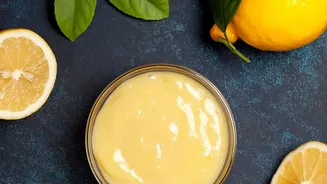
taking a moment to sift your powdered sugar before mixing. Whisk the juice and sugar together, starting with less liquid and adding more, a teaspoon at a time, until you reach your desired consistency. A good rule of thumb is to look for a glaze that creates a 'ribbon' that holds its shape for a second or two when you lift the whisk. Finally, always wait for your baked goods to cool completely before glazing; applying it to a warm cake will cause the glaze to melt and turn translucent instead of setting up properly.
Troubleshooting Common Glaze Issues
Is your glaze too thin and watery? The fix is simple: just whisk in more powdered sugar until it thickens. If your glaze is too thick and paste-like, slowly add more lemon juice until it becomes pourable. If you want to increase the tartness without adding more liquid (which can make the glaze too thin to set), a tiny pinch of citric acid or a splash of high-quality lemon extract can boost the flavour without altering the texture. For a richer glaze that has more body, some recipes call for adding a tablespoon of melted butter or even a splash of milk or cream. The fat in the butter or milk helps to create a silkier mouthfeel and can balance the sharp acidity of the lemon.
Maximizing Your Lemon's Potential
To get the most intense lemon flavour, using fresh lemons is non-negotiable; bottled juice simply can't compare. Before you even cut the lemon, make sure to zest it. The peel contains aromatic oils that provide a powerful lemon fragrance and taste. Use a microplane or the fine side of a box grater, being careful to only remove the yellow part of the peel and avoid the bitter white pith underneath. To get the maximum amount of juice from the fruit, roll the whole lemon firmly on your countertop before slicing it. Some cooks also suggest microwaving the lemon for 10-15 seconds to help release more juice. A medium lemon will typically yield about two to three tablespoons of juice.
Perfect Pairings for Lemon Glaze
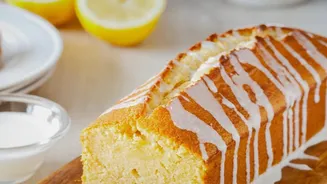
A great lemon glaze can elevate a wide variety of desserts. It is the classic finishing touch for a dense, rich pound cake or a show-stopping bundt cake, where the glaze can drip elegantly down the sides. Scones, particularly blueberry or poppy seed varieties, are a perfect match for a tangy lemon drizzle. Simple butter cookies or shortbread are transformed with a thin, crisp layer of lemon glaze. It is also a fantastic topping for muffins, lemon loaves, and even doughnuts. The brightness of the lemon cuts through the sweetness of the baked good, creating a perfectly balanced and refreshing treat that is welcome any time of year.