



An Enduring Earthen Legacy
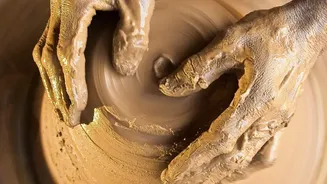
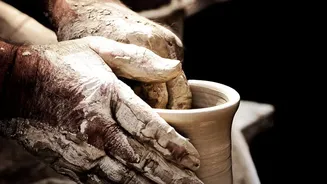
Pottery is one of India's oldest and most treasured art forms, with a history stretching back to the Indus Valley Civilization. For millennia, clay pots weren't just objects; they were integral to daily life—for storing water, cooking, and performing
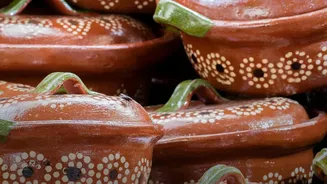
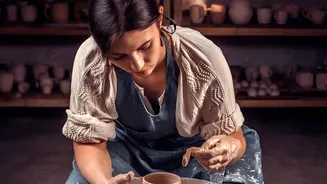
rituals. This deep-rooted connection has ensured the craft's survival, with regions across the country developing their own unique styles. From the iconic blue-glazed ceramics of Jaipur to the rustic terracotta of Rajasthan and the intricate patterns of Khurja, each piece tells a story of its origin. This rich heritage is the foundation upon which today's artisans build, carrying forward techniques passed down through generations.
The Challenge of the Modern Home
The aesthetic of the modern Indian home is evolving. Influenced by global trends, many urban dwellers now prefer clean lines, neutral palettes, and a minimalist approach to decor. This shift presents a challenge: how does a brightly painted, traditional pot fit into a space defined by muted tones and uncluttered surfaces? Artisans face the dual task of honouring their heritage while creating products that appeal to a new generation of homeowners who value both cultural authenticity and contemporary design. It's a delicate balancing act between creating something that feels meaningful and something that fits seamlessly into a modern lifestyle.
Tradition, Reimagined
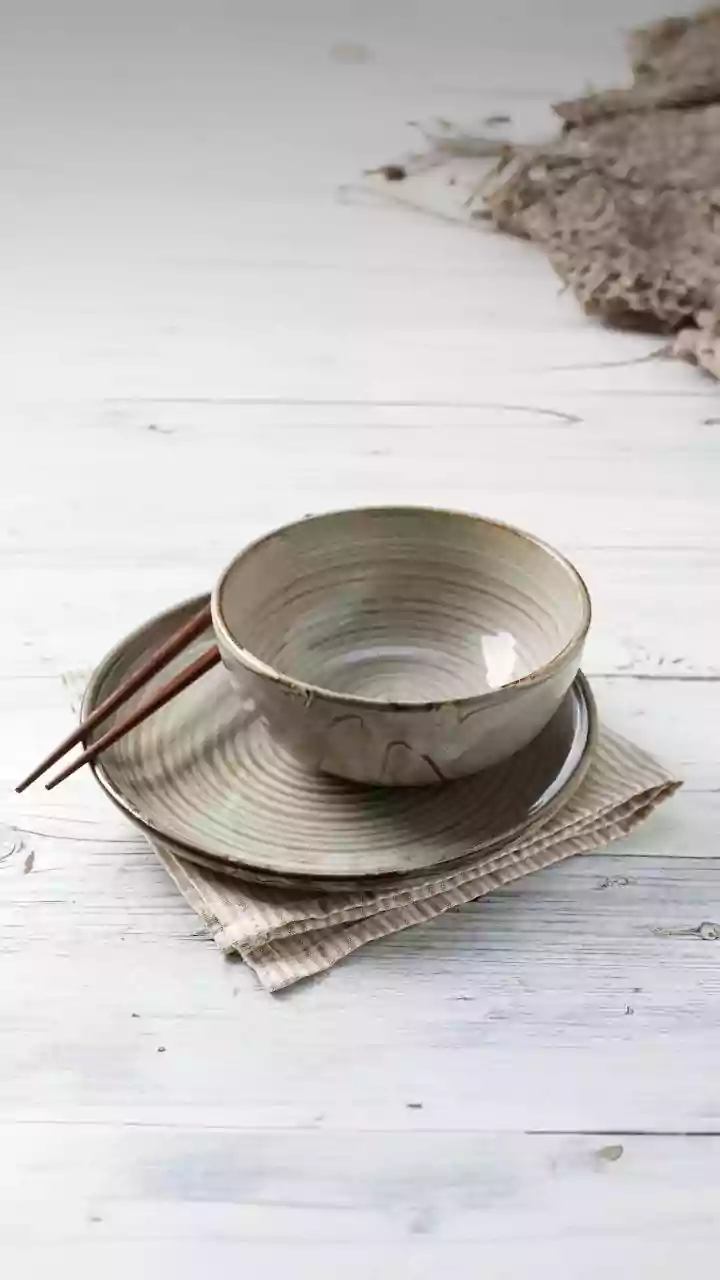
The solution lies not in abandoning tradition, but in reimagining it. Clay artisans across India are innovating by blending old and new with remarkable creativity. In Khurja, a town in Uttar Pradesh known as India's 'Ceramic City', potters are experimenting with minimalist forms and matte glazes that appeal to modern sensibilities, even while using traditional hand-painting techniques. Instead of intricate, multi-coloured patterns, a traditional floral motif might be simplified and applied to a sleek, contemporary vase. Another approach is to retain traditional forms but finish them in earthy, single-tone palettes like olive green, soft grey, and terracotta that complement minimalist interiors. This fusion allows the soul of the craft to shine through in a fresh, relevant way.
Longpi: A Perfect Fusion
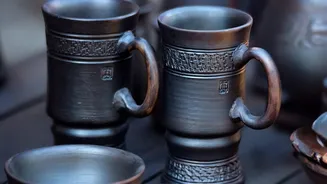
Perhaps no craft exemplifies this balance better than Longpi pottery from Manipur. Practiced by the Tangkhul Naga tribe, this unique art form uses a mix of ground black serpentinite stone and clay, which is shaped by hand without a potter's wheel. The resulting pieces have a distinctive matte black finish and a rustic, textured charm. Longpi pottery, with its earthy tones and minimalist aesthetic, fits perfectly into contemporary homes. Artisans are now creating not just traditional cooking pots but also modern tableware, coffee mugs, and decorative vases that are sought after globally for their blend of ancient technique and modern design.
From Local Markets to Digital Galleries
The evolution of clay craft extends beyond design to business. While local markets remain important, artisans are increasingly leveraging technology to reach a wider audience. E-commerce platforms and social media, especially Instagram, have become virtual galleries, connecting potters directly with design-conscious buyers in India and abroad. This digital shift allows them to tell the story behind their craft, adding value and context to each piece. Furthermore, collaborations with interior designers and architects are helping integrate handcrafted pottery into modern spaces in a more intentional way. This direct access to markets is crucial, helping artisans overcome challenges like competition from mass-produced goods and rising material costs.