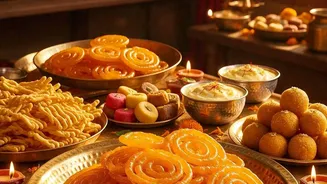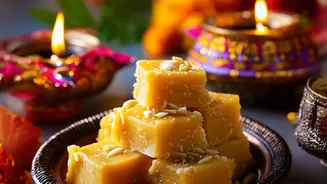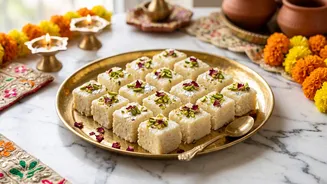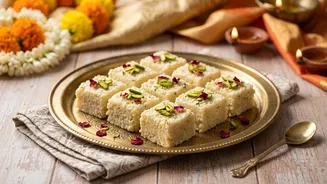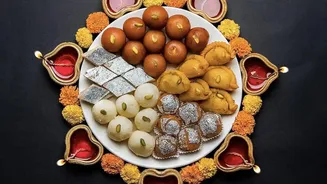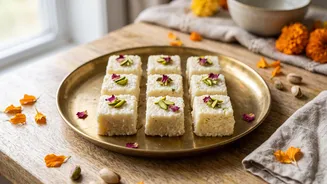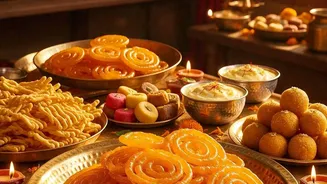




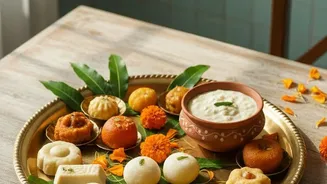
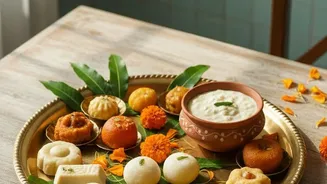
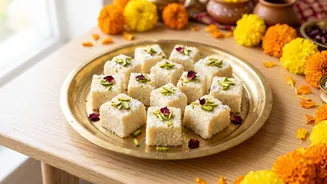
Diwali is synonymous with the sweet, milky aroma of mithai. Among the classics is Kalakand, a soft, grainy milk cake that melts in your mouth. This year, skip the store and create this beloved sweet at home with a surprisingly simple recipe.
The Magic of Homemade Kalakand
Kalakand is
a traditional Indian dessert celebrated for its unique texture—a delicate balance between creamy and grainy. Said to have originated in Alwar, Rajasthan, this sweet is made by reducing milk and sugar, a process that traditionally takes hours of patient stirring. The result is a fudgy, moist cake that is less dense than a typical barfi and offers a rich, milky flavour. While the traditional method is a labour of love, modern shortcuts using condensed milk and paneer (Indian cottage cheese) make it possible to achieve that authentic taste in under 30 minutes, making it a perfect project for busy festival preparations.
Assembling Your Simple Ingredients
The beauty of this 'instant' Kalakand recipe lies in its short ingredient list. You will primarily need fresh paneer and sweetened condensed milk. For the best results, use full-fat ingredients. Around 400 grams of grated or crumbled fresh paneer and a standard 400-gram tin of condensed milk is a good ratio to start with. You can use either store-bought or homemade paneer; if using store-bought, ensure it is fresh and soft. Some recipes suggest soaking firm paneer in warm water for a few minutes to soften it. Other key components include a tablespoon of ghee for richness, half a teaspoon of cardamom powder for its classic aroma, and a handful of chopped pistachios and almonds for garnish.
Step-by-Step to Perfect Kalakand
Begin by greasing a small tray or plate with ghee and setting it aside. Next, combine the crumbled paneer and condensed milk in a heavy-bottomed, nonstick pan. Cook this mixture over a low to medium flame, stirring frequently but gently. Stirring too vigorously can break down the grainy texture you want to achieve. Initially, the mixture will become thin and runny as the condensed milk heats up. Continue to cook, and after about 10 to 15 minutes, it will start to thicken and pull away from the sides of the pan. It is crucial not to overcook the mixture; it should be thick but still look moist and juicy, not dry. Once it reaches this stage, turn off the heat. Stir in the cardamom powder and any extra ghee for flavour.
Setting and Serving Your Sweet
Immediately transfer the hot mixture to your greased tray. Use a spatula to spread it evenly into a square or rectangle about half an inch to an inch thick. Sprinkle the chopped pistachios and almonds over the top. Gently press the nuts down with the back of a spoon so they adhere to the surface as it sets. Allow the Kalakand to cool completely at room temperature. For a firmer set, you can refrigerate it for a few hours before cutting. Once set, use a sharp knife to slice it into neat squares. Your delicious homemade Kalakand is now ready to be served and will be the star of any Diwali platter.
Tips for Flawless Results
Achieving the perfect soft and grainy texture is the goal. The most common mistake is overcooking, which results in a dry and crumbly sweet. Always cook on low to medium heat to prevent the milk solids from burning and to ensure even cooking. If your mixture looks too dry, a splash of warm milk can help restore moisture. For an even grainier texture, some recipes recommend using freshly made 'chenna' (by curdling milk with lemon juice or yogurt) instead of paneer, as it tends to be more moist. However, for a quick and reliable outcome, good quality paneer combined with condensed milk is a foolproof method that delivers fantastic results every time.