








A Perilous Landscape
Mizoram, a state defined by its steep hills and deep gorges, faces an annual battle against gravity. Its geography, characterized by young, fragile geology and slopes often exceeding 45 degrees, makes it one of India's most landslide-prone regions. The
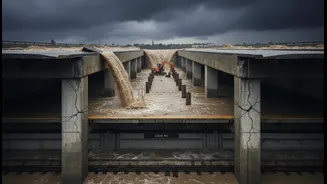
situation is dramatically worsened by the monsoon, which brings intense and prolonged rainfall, saturating the loose soil and making slopes dangerously unstable. This natural vulnerability is compounded by human activity, including road construction and quarrying that can undercut hillsides, further increasing the risk of collapse. For the communities connected by these roads, a landslide isn't just a news headline; it’s a terrifying event that can sever access to essential supplies, markets, and emergency services for weeks on end.
Nature's Rebar
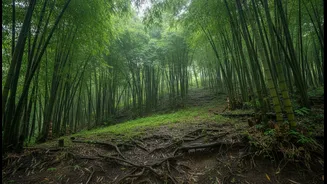
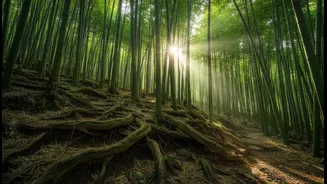
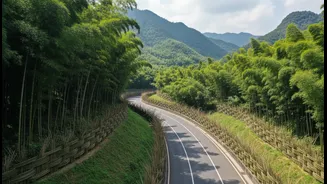
In the search for a sustainable and effective solution, engineers and communities are turning to a material deeply woven into Mizoram's culture and landscape: bamboo. Often called 'green gold', bamboo is far more than just a plant; it's a natural engineering marvel. Certain species are among the fastest-growing plants on Earth, and their strength is legendary, with a tensile strength comparable to steel. But its true genius in landslide prevention lies beneath the surface. Bamboo possesses a dense, fibrous network of roots and rhizomes that can spread extensively, acting like a natural net that binds soil particles together. This root system is incredibly effective at holding topsoil in place on steep slopes, preventing the very erosion that often precipitates a larger slide.
Ancestral Wisdom, Modern Application
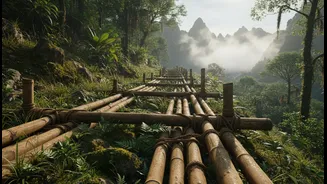
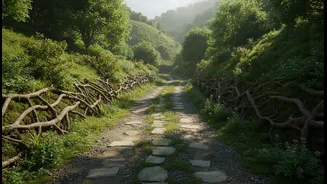
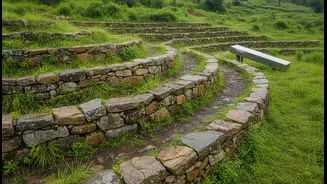
Using bamboo to manage the landscape is not a new idea in Mizoram. For generations, local communities have used bamboo for everything from housing to terracing hillsides for cultivation. What is new is the systematic application of this traditional knowledge to large-scale infrastructure projects. Drawing inspiration from these age-old practices, initiatives supported by organizations like the World Bank have adapted these techniques for highway protection. Methods such as bamboo crib walls (lattice-like structures filled with soil), bamboo matting, and terracing are now being used to stabilize slopes along major roadways. This approach represents a powerful fusion: the time-tested skills of local artisans combined with modern bioengineering principles to create solutions that are both effective and culturally resonant.
The Science of Stability
So, how exactly does a wall of bamboo stop a hillside from collapsing? The strategy is multi-faceted. Firstly, the physical structures, like crib walls and terracing, break the slope's length, slowing the velocity of water runoff during heavy rain. The dense canopy of a bamboo grove helps to disperse large raindrops, reducing their erosive impact on the soil. Secondly, the incredible root system anchors the soil, increasing its shear strength and making it more resistant to failure. Finally, as the bamboo grows, it absorbs a significant amount of water from the ground, which helps to reduce pore water pressure—a key trigger for landslides during the monsoon. By planting local grass and tree species alongside the bamboo, these sites quickly become revegetated, creating a living, self-sustaining barrier that grows stronger over time.
More Than Just a Barrier
The benefits of using bamboo extend far beyond slope stabilization. Compared to conventional methods using concrete and steel retaining walls, bamboo is significantly more cost-effective, especially since the material is abundantly available locally. This reliance on a local resource stimulates the rural economy and creates employment for communities who possess the traditional skills to work with bamboo. Environmentally, the advantages are clear. Bamboo plantations sequester carbon, improve soil health, and restore biodiversity to degraded lands. Unlike concrete, which leaves a permanent, sterile scar on the landscape, these 'green' barriers blend into the natural environment, preserving the aesthetic beauty of the Mizo hills. It's a solution that protects infrastructure while also healing the land.