
The Plant-Based Mineral Puzzle
For those following a vegetarian or largely plant-based diet, getting enough iron is a common concern. Plants provide a form of iron called non-heme iron, which is notoriously harder for our bodies to absorb than the heme iron found in animal products.
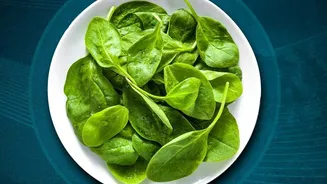
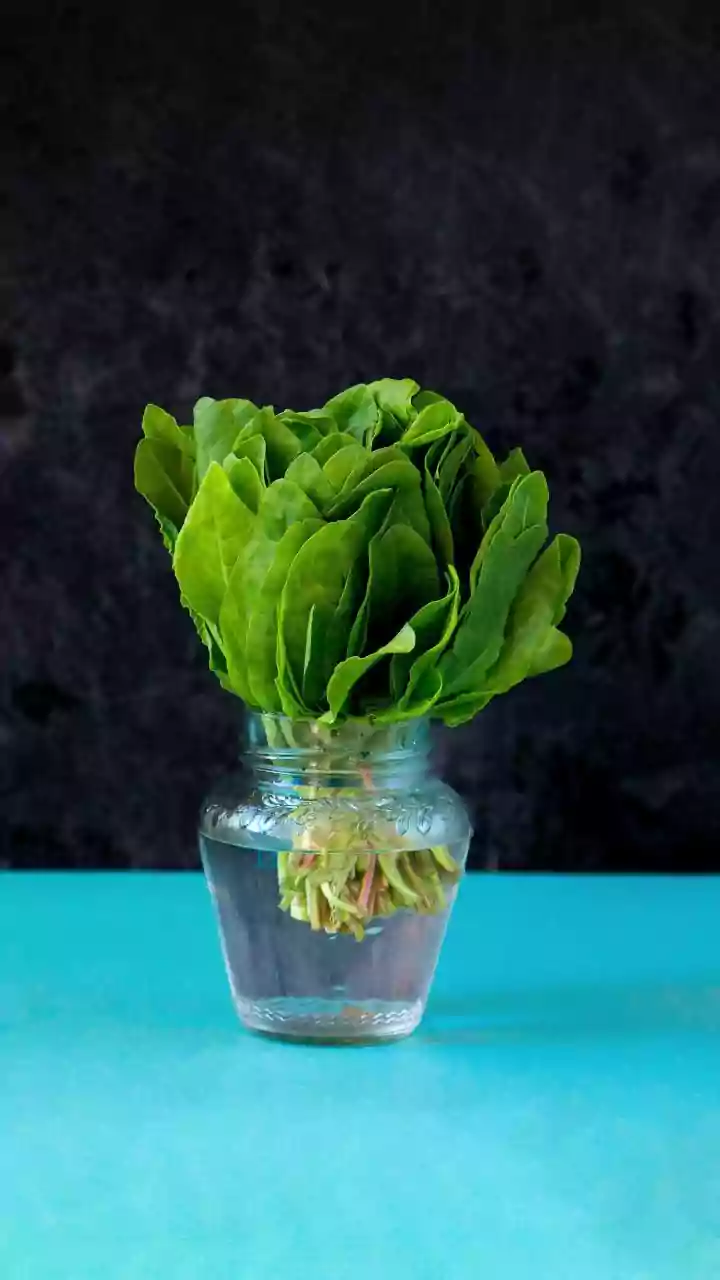
Leafy greens like spinach, fenugreek (methi), and amaranth are packed with this mineral, yet the body might only be able to use a small fraction of it. This is partly due to compounds naturally present in plants, such as phytates and oxalates, which can bind to minerals and prevent their absorption. This doesn't mean these foods are not good for you; it simply means we need to be a little smarter about how we eat them to unlock their full potential.
Vitamin C: The Key to Unlocking Iron
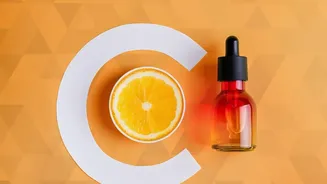
This is where vitamin C comes in as a nutritional hero. Ascorbic acid, the scientific name for vitamin C, is a powerful enhancer of non-heme iron absorption. When consumed in the same meal, it works its magic in the digestive system. It helps convert the plant-based iron (ferric iron) into a different form (ferrous iron) that is much more bioavailable, or easier for your intestinal cells to absorb. Studies have shown that vitamin C can significantly increase iron absorption, with some research indicating it can increase it by several times. One study noted that 100 milligrams of ascorbic acid increased iron absorption from a meal by more than four times. So while the headline's claim of 'doubling' is attention-grabbing, the reality can be even more impressive.
Your Plate's New Power Couples
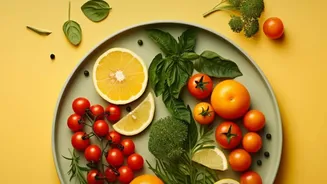
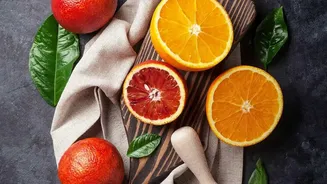
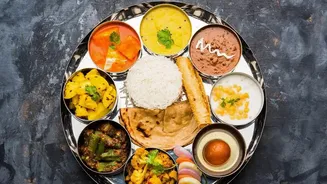
Putting this science into practice is both easy and delicious. The key is to combine your iron-rich leafy greens with a food that is high in vitamin C. The classic Indian practice of squeezing lemon over dal or sabzi is a perfect example of this principle in action. A simple spinach salad transforms into a nutritional powerhouse with a squeeze of lemon juice or the addition of orange segments. Consider a palak paneer, but finish it with a generous squeeze of lime. Or, add finely chopped bell peppers (especially red ones, which are very high in vitamin C) to your lentil soup or leafy green stir-fry. Even adding strawberries to a spinach smoothie can do the trick. The goal is to ensure both the iron source and the vitamin C source are present in your stomach at the same time.
Beyond Citrus: A World of Vitamin C
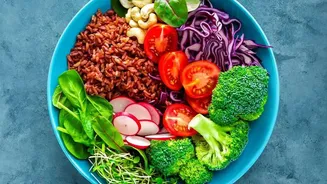
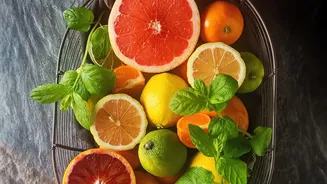
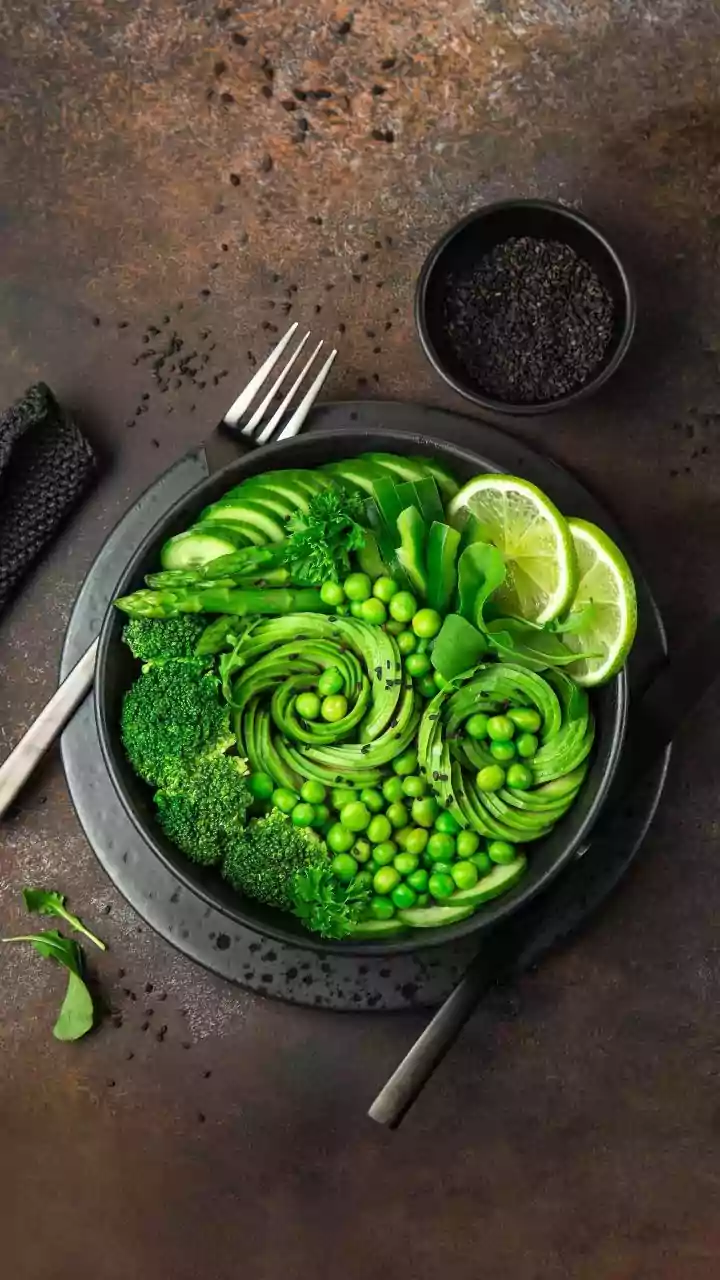
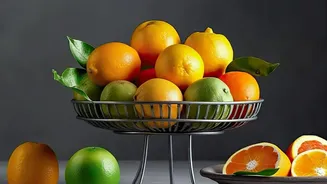
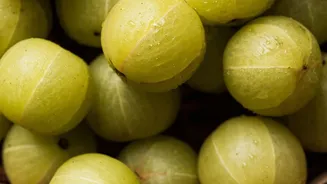
While citrus fruits like lemons and oranges are fantastic, they are far from your only option. India's local produce offers a treasure trove of vitamin C-rich foods. Amla, or Indian gooseberry, is one of the most potent sources available. Other excellent choices include guavas, papayas, tomatoes, broccoli, and even fresh coriander and parsley. You can make a simple kachumber salad with tomatoes, onions, and cucumber, dressed with lime juice, to serve alongside your main meal. Or, incorporate a side of steamed broccoli with your dal and rice. By expanding your view of vitamin C sources, you can create a diverse and interesting diet that consistently boosts your mineral intake.
Maximising Your Minerals: What to Watch Out For
Just as some foods help absorption, others can hinder it. Compounds called polyphenols, found in tea and coffee, can significantly inhibit iron absorption. Calcium can also compete with iron, so it's wise to avoid consuming dairy products or calcium supplements at the exact same time as your main iron-rich meal. This doesn't mean you should stop drinking tea or consuming dairy. It’s about timing. Try to leave a gap of an hour or two between your iron-heavy meal and your cup of chai or coffee. By being mindful of these combinations, you give your body the best possible chance to soak up all the essential minerals from your food.