




A Modern Anomaly
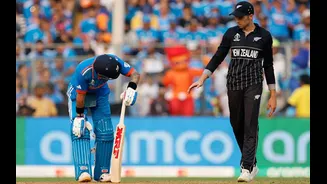
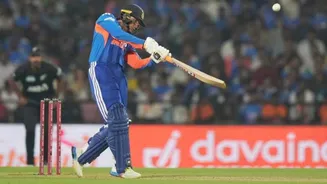
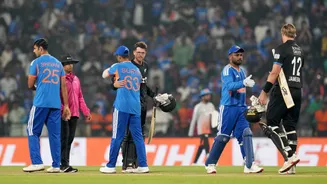
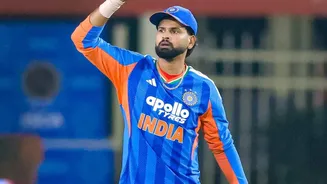
The coin toss is meant to be a 50/50 probability, a simple flip to decide who bats or bowls. Yet, Shreyas Iyer has turned it into his personal domain. After winning the toss against New Zealand in Christchurch on October 22, his record as India's T20I
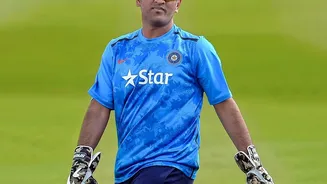
captain climbed to a staggering 15 wins in 18 matches. This isn't just a lucky streak; it is a statistical outlier that has cricket analysts and fans buzzing. The run of form has been notable for its consistency. Earlier in 2026, he set a record for the most consecutive toss wins by an Indian T20I captain, surpassing the likes of MS Dhoni. His record of winning 11 of his first 12 tosses as skipper put him ahead of any other captain in the history of men's T20I cricket for that initial period. It’s a pattern of fortune so pronounced that it has become a talking point before a ball is even bowled.
The Toss-Factor in T20s
But why does this even matter? In the fast-paced, high-pressure world of T20 cricket, winning the toss is far more than a ceremonial coin flip. It offers a significant strategic advantage that can shape the entire contest. Captains who win the toss can assess pitch and weather conditions and choose to bat or bowl first accordingly. In many parts of the world, especially in evening matches, the 'dew factor' becomes critical. Dew makes the ball wet and difficult for bowlers to grip in the second innings, giving a major advantage to the chasing team. This was a huge storyline during the 2021 T20 World Cup, where teams chasing after winning the toss won an overwhelming number of games. By consistently winning the toss, Iyer effectively gives his team the first strategic victory of the day, allowing India to dictate the terms of engagement and play to its strengths.
Luck vs. Leadership
While Iyer's toss record is undeniably phenomenal, it's crucial to separate the luck of the coin from the skill of leadership. Winning the toss provides an advantage, not a guarantee of victory. A look at his overall captaincy record reveals a more mixed picture. Early in his tenure, India suffered series defeats to Ireland and England under his leadership, marking a challenging start. However, the team has since found its footing, securing series wins and even an Asian Games gold medal. This demonstrates that while Iyer's luck gets India off to a good start, the team's performance is what ultimately secures the win. The toss puts the team in a favourable position, but from there, execution in batting, bowling, and fielding takes over. The streak is a fascinating subplot to his captaincy, but it is his tactical decisions and the team's execution that remain the primary drivers of success or failure.
How It Stacks Up
To put Iyer's 83% toss-win percentage (15 out of 18) into perspective, it helps to look at other legendary captains. While comprehensive, all-format toss statistics for entire careers are hard to compare directly, few have enjoyed such a concentrated run of form in a single format. For instance, former Australian captain Ricky Ponting, known for his success, had a toss win rate just over 50% across all formats. Graeme Smith, who captained South Africa in a record number of Tests, won the toss in 60 of 109 matches, a rate of around 55%. Even within the Indian context, Iyer's run is exceptional. Before this streak, MS Dhoni held the Indian record for most consecutive T20I toss wins with seven. Iyer shattered that with eight straight wins earlier in the year. His current record elevates him into a unique category, making him one of the 'luckiest' captains the modern game has seen.