





Prioritise Hydration Above All
Before you change a single thing you eat, focus on how much you drink. Water is essential for flushing out toxins, aiding digestion, and preventing constipation. Dehydration is a common cause of fatigue and can make you feel sluggish. Aim to drink plenty
of water throughout the day. Herbal teas without caffeine, like peppermint or ginger, can also aid digestion and soothe the stomach. Starting your day with a glass of warm water can help kickstart your metabolism and set a healthy tone for the rest of the day. This simple habit supports your body’s natural cleansing processes and keeps energy levels stable.
Embrace Fibre-Rich Foods
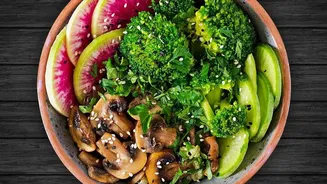
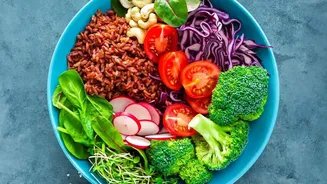
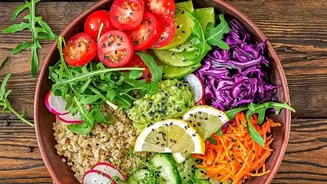
Fibre is crucial for a healthy gut. It helps keep bowel movements regular and acts as food for the beneficial bacteria in your digestive system. Instead of a drastic diet, slowly increase your intake of fibre from a variety of sources. Incorporate whole grains like oats and brown rice, and fill your plate with colourful vegetables and fruits such as leafy greens, apples, and bananas. Legumes like lentils and chickpeas are also excellent sources of both fibre and protein, helping you feel full and satisfied. A diet rich in diverse plant foods contributes to a more diverse and resilient gut microbiome.
Incorporate Probiotics and Prebiotics
To truly support your gut, it's helpful to understand two key players: probiotics and prebiotics. Probiotics are the live, 'good' bacteria found in fermented foods that help maintain a healthy balance in your gut. Simple sources include plain yogurt (dahi), kefir, and buttermilk. Prebiotics, on the other hand, are types of fibre that feed these good bacteria. Foods rich in prebiotics include garlic, onions, bananas, and asparagus. Pairing these foods helps create an optimal environment for your digestive system to thrive.
Reduce Processed Foods and Sugar
A pre-festival reset is the perfect time to cut back on foods that can disrupt your gut and sap your energy. Highly processed foods, fried items, and refined sugars can feed harmful bacteria and lead to bloating and inflammation. Excess sugar and caffeine can stress your system and ultimately zap your energy, even if they provide a temporary boost. Try to limit sugary drinks, packaged snacks, and refined carbohydrates like white bread. Opting for whole, natural foods helps give your digestive system a break and reduces cravings for unhealthy options.
Practice Mindful Eating Habits
How you eat is just as important as what you eat. Rushing through meals while stressed or distracted can hamper digestion and lead to discomfort. Take the time to sit down and eat slowly, chewing your food thoroughly. This simple practice helps your body better digest food and recognise fullness cues, preventing overeating and bloating. Try to avoid eating late at night to give your digestive system adequate time to rest and repair overnight. Paying attention to your meals fosters a better connection with your body's hunger and satisfaction signals.
Focus on Light, Home-Cooked Meals
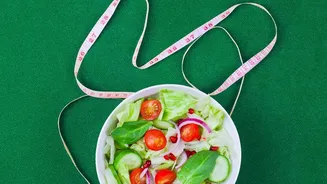
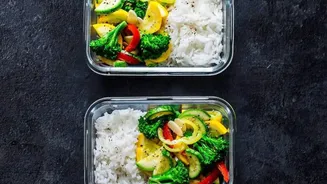
In the days leading up to the festive season, prioritise simple, home-cooked meals. This gives you complete control over the ingredients, helping you avoid excess salt, unhealthy fats, and hidden sugars. Focus on gentle cooking methods like steaming, baking, or light stir-frying instead of deep-frying. A balanced plate might include a lean protein source, plenty of cooked vegetables, and a small portion of whole grains. Simple meals like khichdi or a vegetable soup can be incredibly nourishing and easy on the digestive system, leaving you feeling light and energised.