




Why a Quick Check Matters
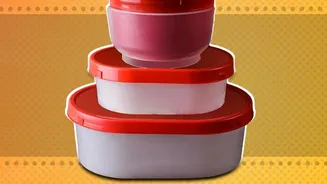
We rely on reusable containers for everything from packing tiffin for work and school to storing leftovers from last night’s dinner. While convenient, these trusty boxes don't last forever. With repeated use, washing, and temperature changes, the materials
can degrade. This is more than just a cosmetic issue; it can pose genuine health risks. Tiny, hard-to-see scratches in plastic can become breeding grounds for bacteria that even a thorough wash can't eliminate. Older or degraded plastics may also leach unwanted chemicals into your food, especially when heated. Lingering odours and stubborn stains can be signs that the container's material has become porous, affecting the taste and quality of the food you store in it. Taking a moment to inspect your containers protects your family’s health and ensures the food you save is as safe as it was when you first made it.
Your Five-Point Inspection Checklist
Make it a habit to give your containers a once-over after washing and before storing them away. Look for these five key warning signs: 1. Scratches and Cuts: Run your finger along the inside surface. If you can feel or clearly see scratches, it's a red flag. These tiny grooves are difficult to clean and can harbour harmful bacteria. 2. Warping or a Loose Lid: Has the container lost its shape? This often happens from exposure to high heat, like in a microwave or dishwasher. A warped container means the lid won't create an airtight seal, leading to faster spoilage and potential spills. 3. Lingering Odours: If a container still smells of the last meal you stored in it (like a strong curry or pickles) even after a deep clean, its material has likely become porous. While a baking soda scrub can sometimes help, a persistent smell means it's time to retire it from food duty. 4. Heavy Staining: Many Indian foods, rich in turmeric and oils, can stain plastic. While light staining is often harmless, deep-set stains that can't be removed with a bleach solution or vinegar soak may indicate that the plastic is breaking down and has absorbed food particles. 5. Cracks, Cloudiness, or a Weird Texture: Any visible cracks are an obvious reason to discard a container. For plastics, also look for a cloudy appearance or a change in texture, as this can signal material degradation, increasing the risk of chemicals leaching into your food.
Material Matters: Plastic, Glass, and Steel
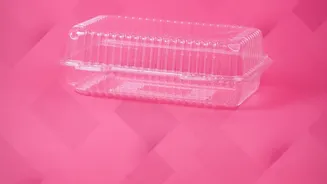
Not all containers are created equal, and their material dictates their care and lifespan. For plastic containers, look for those marked with recycling codes 2, 4, and 5, which are generally considered safer for food use. It's best to avoid older plastics that may contain BPA. Never microwave food in plastic containers not explicitly labelled as microwave-safe, including single-use takeaway tubs. Glass containers are a durable and non-reactive alternative, but they are not indestructible. Before storing, inspect them for any chips or cracks, especially around the rim, as these can compromise the seal and pose a safety hazard. Always check that the silicone or rubber gasket on the lid is clean and intact. Stainless steel containers are excellent for their durability and inability to absorb stains or odours. However, check for dents that might prevent a proper seal and any signs of rust, although this is rare in food-grade steel.
Proactive Care for a Longer Lifespan
You can extend the life of your containers and keep them in safe condition with a few simple habits. First, always allow hot food to cool down before placing it in a plastic container to prevent warping and chemical leaching. When cleaning, avoid using abrasive scrubbers or steel wool, especially on plastic, as this creates the very scratches you want to avoid. Use a soft sponge and mild dish soap. After washing, it’s crucial to let containers and their lids air dry completely before storing them. Stacking them while still damp (“wet-nesting”) creates a moist environment where bacteria can flourish. Storing lids separately from the bases can also help ensure everything is completely dry and prevents musty smells from developing. By treating your containers with care, you not only make them last longer but also ensure they remain a safe and reliable part of your kitchen routine.