




Why Bother with Strength Training?
First, let's be clear: strength training isn't just for people who want to build massive muscles. The real benefits are about improving your overall quality of life. Regular resistance training helps build strong bones, which is crucial for preventing
osteoporosis as we age. It also boosts your metabolism, helping your body burn more calories even when you're at rest. Furthermore, it enhances your ability to perform everyday activities—like carrying groceries or playing with your kids—with more ease and less risk of injury. Studies have even shown it can improve mood, reduce symptoms of anxiety and depression, and sharpen your thinking skills.
Clarity: The Four Core Principles
Getting started is simpler than you think. Focus on these four ideas: 1) Form Over Weight: Doing an exercise correctly is more important than lifting a heavy weight. Bad form leads to injury, not strength. Start light to master the movement. 2) Progressive Overload: To get stronger, you need to challenge your muscles. This means gradually increasing the difficulty over time, whether by adding a little more weight, doing one more repetition, or taking a shorter rest. 3) Consistency is Key: Training twice a week is more effective than one intense but sporadic session. Your body adapts to regular work. Aim for at least two sessions a week that target major muscle groups. 4) Rest is Required: Your muscles don't get stronger during the workout; they get stronger while recovering. Ensure you get enough sleep and take rest days between sessions that work the same muscles.
Your First Steps: No Gym Required
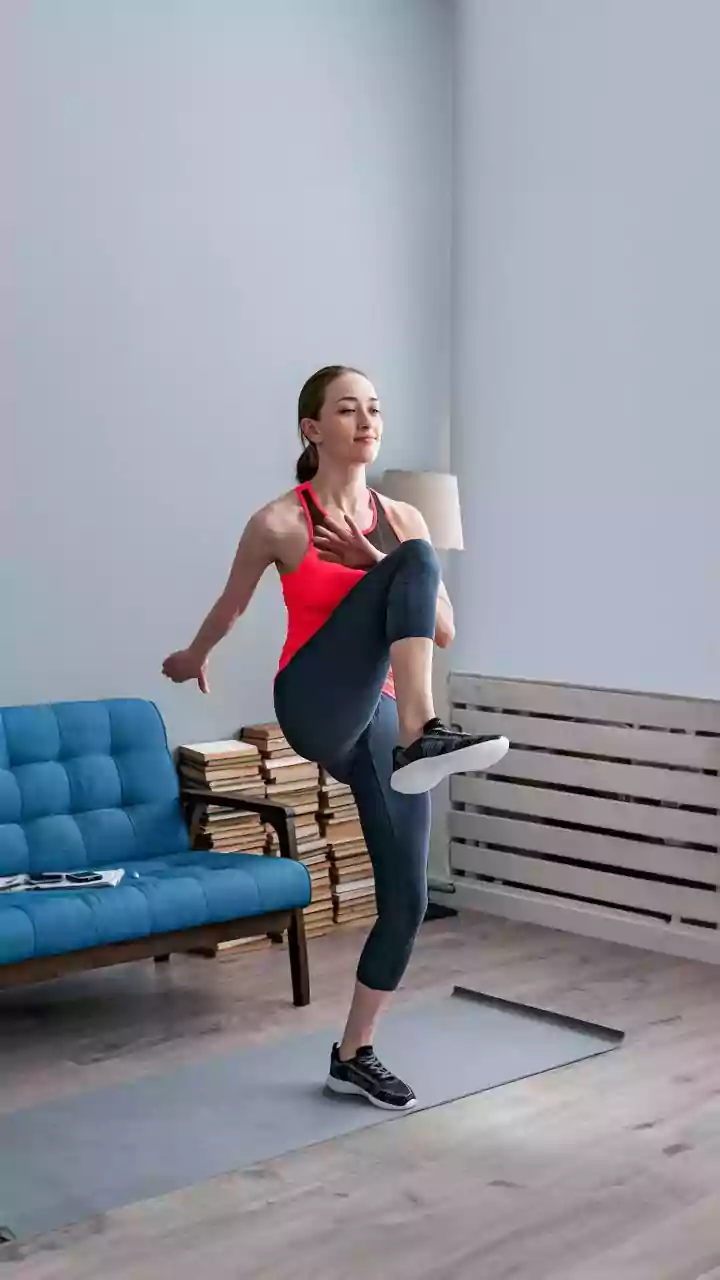
The best way to start is by using the weight you have with you all the time: your own body. Bodyweight exercises are free, can be done anywhere, and are perfect for building a solid foundation. Focus on mastering a few fundamental movements. Start with exercises like: Bodyweight Squats: Excellent for your legs and glutes. Push-ups: Can be modified by doing them on your knees or against a wall to make them easier. Planks: A fantastic exercise for core strength. Aim to hold the position for 20-30 seconds. Glute Bridges: Great for activating your glutes and supporting your lower back. Start with 2-3 sets of 8-12 repetitions for each exercise. Once you can comfortably complete the reps with good form, you can look at making them more challenging.
Conquering ‘Gymtimidation’
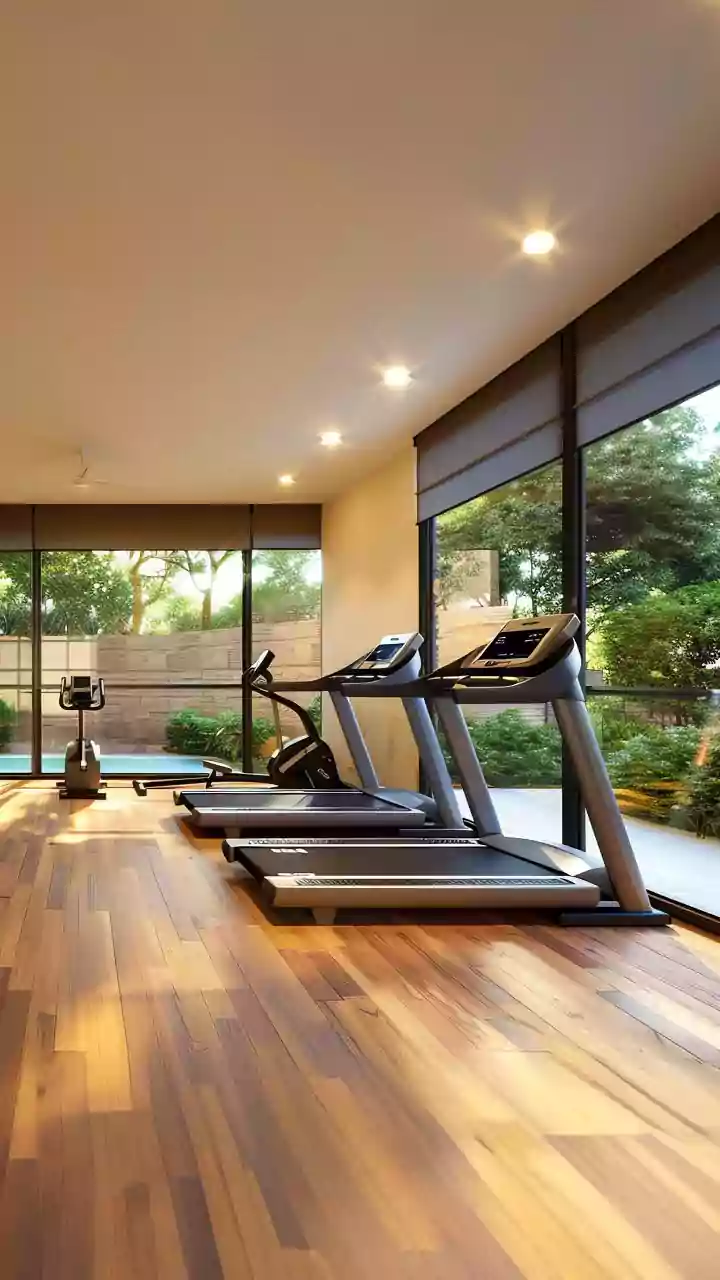
The fear of the gym, or 'gymtimidation', is real. Many people feel anxious or self-conscious, worrying that others are judging them. The truth is, most people are focused on their own workout. Here are a few tips to feel more comfortable: Go during off-peak hours to familiarise yourself with the space when it's less crowded. Have a plan before you arrive; knowing exactly what exercises you’re going to do eliminates wandering and uncertainty. Don't be afraid to ask for help. If you're unsure how to use a machine, ask a staff member—that's what they are there for. And remember, everyone was a beginner once.
Busting Common Myths
A lot of misinformation holds people back, especially women. Let's clear some of it up. Myth: Lifting weights will make me bulky. Truth: It is very difficult for women to build large, bulky muscles because they have much lower levels of testosterone than men. Strength training will more likely lead to a lean, toned physique. Myth: You have to do cardio to lose fat. Truth: While cardio burns calories, strength training builds muscle, which increases your resting metabolic rate. This means you burn more calories throughout the day, even after your workout is over. Myth: You need to be in shape before you start. Truth: That’s like saying you need to be clean before you take a shower. Fitness is a journey, not a destination, and strength training is for everyone, regardless of their starting point.