

Catch the Tail of the Perseids
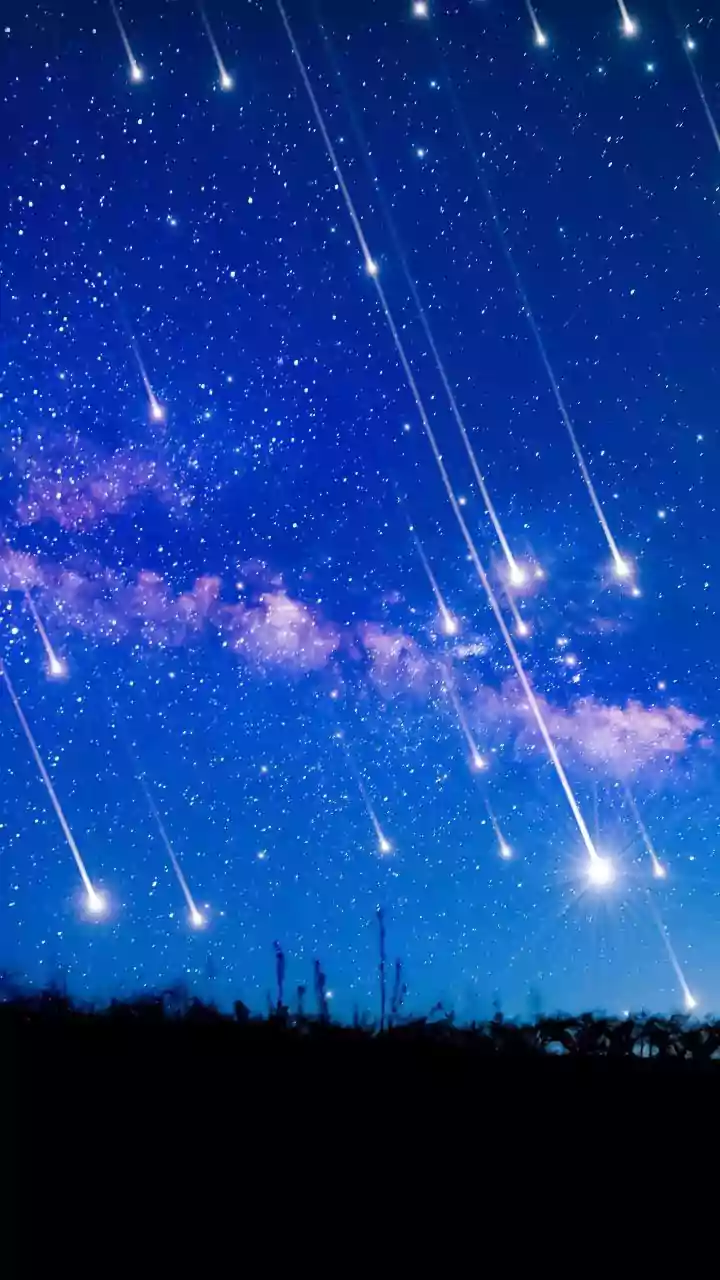
The Perseid meteor shower, one of the best of the year, reached its spectacular peak on the nights of August 12 and 13. This year was particularly special because the peak coincided with a new moon, creating perfectly dark skies for optimal viewing. If
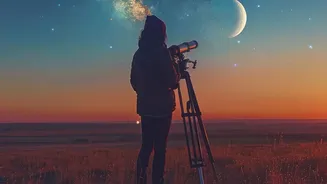
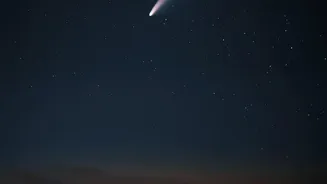
you missed the main event, don't worry. The shower remains active until August 24, so you can still catch stray 'shooting stars' in the late hours of the night. For the best chance, find a location away from city lights, let your eyes adjust to the darkness for about 30 minutes, and look towards the northeast. These meteors are debris from Comet Swift-Tuttle, and they often leave bright, persistent trails as they burn up in our atmosphere.
A Parade of Planets
August continues to be a fantastic month for planet-watching. While a grand pre-dawn alignment of six planets was a highlight around August 12, several worlds remain prominent. Venus, the dazzling 'Evening Star', reaches its greatest eastern elongation on August 15, meaning it will be at its highest point above the western horizon right after sunset. Mars and Jupiter are visible in the eastern sky before sunrise. Jupiter, the king of planets, is returning to the morning sky and will be a brilliant, unmissable sight. Mars, the Red Planet, can be found marching across the constellation Gemini.
Saturn Rises Toward Its Peak
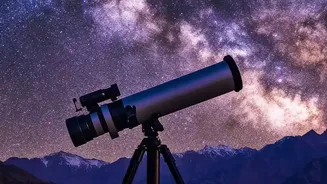
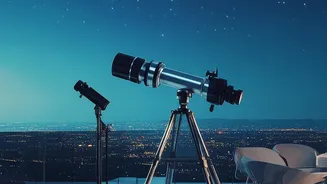
The ringed planet, Saturn, is becoming a prime target for evening observers. While its opposition—the point where it is brightest and closest to Earth for the year—isn't until October 4, it is already a magnificent sight. Throughout late August, Saturn rises earlier each night and is well-placed for viewing in the hours after midnight, high in the southwestern sky before sunrise. Even a small telescope can reveal its famous rings, which are tilting back towards us after appearing nearly edge-on in 2025. This makes 2026 a turning point for observing Saturn's majestic ring system.
The Milky Way's Glowing Heart
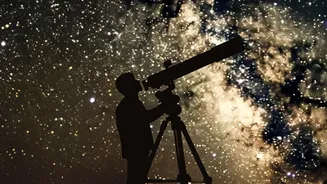
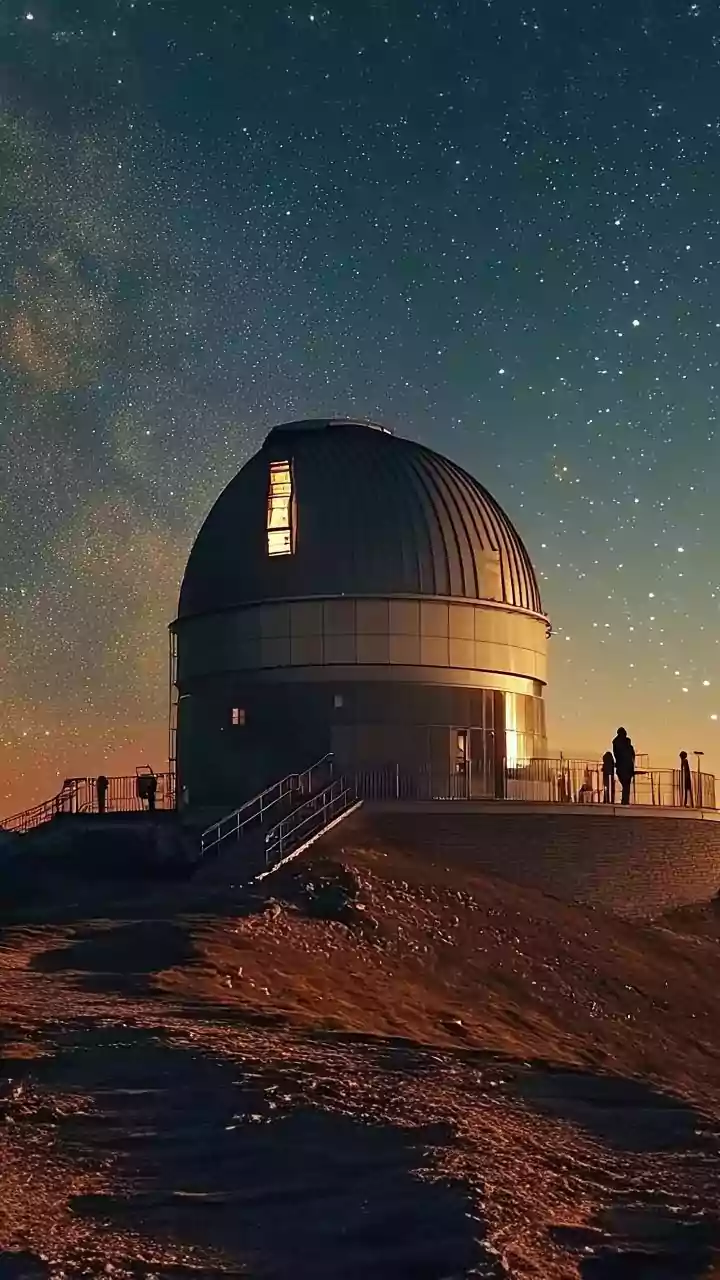
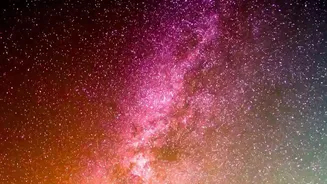
For those who can escape the city's glare, August offers one of the best views of the Milky Way's core. Our galaxy's dense, bright center is located in the direction of the constellations Scorpius and Sagittarius. After sunset, look south to find these star patterns. From a truly dark location, like the high-altitude deserts of Ladakh or Spiti Valley, the Milky Way is so bright it can cast a faint shadow. Even from the outskirts of a city or a rural area, you can see it as a faint, hazy band of light stretching across the sky, a breathtaking reminder of our place in the cosmos.
Tips for Urban Stargazers
Observing from a city presents the challenge of light pollution, but it doesn't make stargazing impossible. Focus on the brightest objects: the Moon, Venus, Jupiter, Mars, and Saturn are all easily visible. To see fainter objects, try to find a park, a rooftop, or an area with fewer streetlights. Give your eyes at least 20-30 minutes to adapt to the dark; this means avoiding looking at your phone screen. Using red-light torches or phone filters can help preserve your night vision. For a more immersive experience, consider joining local astronomy clubs in cities like Mumbai or Pune, which often organize trips to nearby dark-sky locations.