
The Challenge of Peak Season
Japan's peak travel times, primarily the cherry blossom season from late March to early April and the autumn leaves period in November, attract immense crowds. Golden Week, a series of national holidays in late April and early May, is another intensely
busy period for domestic travel. While these seasons showcase Japan at its most beautiful, the reality at iconic locations can be one of shuffling queues and struggling to find a moment of peace. The issue isn't that Japan is full, but that visitors often concentrate on the same few famous locations, creating bottlenecks in places like Kyoto and around Mount Fuji. A strategic approach, however, can lead you to equally stunning places without the frustrating crowds.
Reconsider: Kyoto's Arashiyama Bamboo Grove
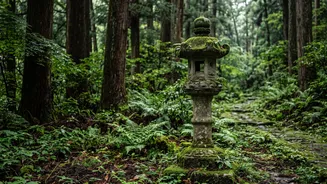
The Arashiyama Bamboo Grove is iconic, but the main path is only about 400 meters long and can feel claustrophobic by late morning. The experience of serene, towering bamboo is often replaced by a slow shuffle through a sea of selfie sticks. The grove has no gates and is open 24/7, so the only way to experience its magic is to arrive at dawn, before 7:30 a.m. By 8:30 a.m., the crowds begin to swell, fundamentally changing the atmosphere.Instead, consider a visit to Adashino Nenbutsu-ji temple, a short walk from the main grove. Tucked away at the back of this moving temple, which honors the souls of those who died alone, is another beautiful bamboo forest. It's the very same one often used in promotional posters for Kyoto, yet it remains blissfully quiet. Alternatively, walking ten minutes uphill from Arashiyama leads to the Saga-Toriimoto Preserved Street, an area with an Edo-period feel that receives a fraction of the visitors.
Reconsider: Kyoto's Gion District
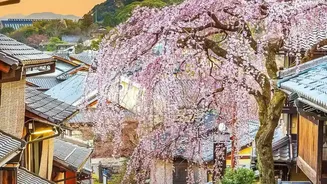
Gion is famous for its traditional wooden machiya houses and the romantic hope of spotting a geisha. However, the main streets are often packed with tourists, transforming it from a historic neighborhood into a crowded spectacle. The area has struggled with disruptions caused by intense tourist traffic, diminishing the authentic atmosphere.For a similar, yet more peaceful, experience of a historic tea house district, consider Kanazawa. Often called 'Little Kyoto', Kanazawa's Higashi Chaya district offers beautifully preserved wooden buildings, artisan shops, and teahouses with far fewer people. The city boasts one of Japan's most beautiful gardens, Kenrokuen, and a rich samurai and craft culture, making it a fantastic alternative for those seeking traditional charm without Kyoto's visitor numbers.
Reconsider: The View of Mt. Fuji
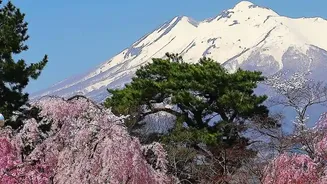
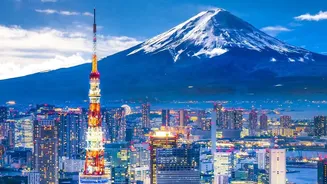
The classic photo of Mount Fuji with a pagoda in the foreground is taken from Arakurayama Sengen Park, home to the Chureito Pagoda. Its popularity has led to overwhelming crowds, with three-hour queues just to climb the steps during peak cherry blossom season. Another famous viewpoint, a specific Lawson convenience store in the Fuji Five Lakes area, became so overrun it required barriers to manage the crowds.Instead of fighting for these specific shots, explore other areas. The Izu Peninsula, easily accessible from Tokyo, offers spectacular, less-crowded views of Mount Fuji across the water, along with beautiful coastlines and onsen towns. For a different perspective, consider the northern shores of Lake Biwa, Japan's largest lake. On a clear day, you can see the mountains, and the area around the lake features uncrowded castles like Hikone, which is one of Japan's few remaining original castles.
Reconsider: Central Tokyo's Busiest Hubs
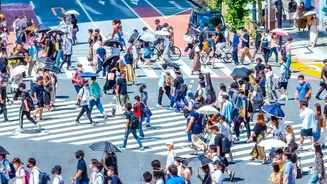
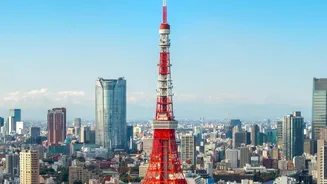
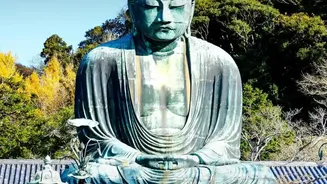
Shibuya Crossing is a must-see spectacle, but the experience is one of momentary, organized chaos. Similarly, the main approach to Senso-ji Temple in Asakusa is often a dense market of people. While Tokyo is large enough to absorb crowds, these specific points can be intense.For a different taste of Tokyo, explore neighborhoods like Yanaka. It offers a glimpse of old Tokyo with its traditional shops, small temples, and a more relaxed, local atmosphere. To escape the urban density entirely, consider a day trip to Kamakura. Just an hour from Tokyo, it offers a wealth of temples, a bamboo grove of its own, and a calming coastal town vibe, serving as an easy alternative to the intensity of the city center.