


As winter approaches, the falling temperatures don't have to mean the end of your vibrant balcony garden. With a few key adjustments, you can protect your potted plants from the cold and ensure they return healthy and lush in the spring.
Take Stock of Your Plants
The first step
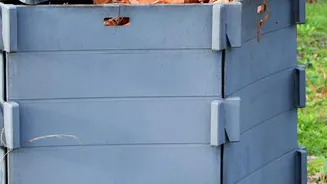
in winter preparation is to assess your collection. Not all plants require the same level of care. Hardy perennials and shrubs that are rated for a climate two zones colder than yours can often withstand winter outdoors with protection. Tender plants, like tropicals, and most herbs will need to be brought inside before the first frost. Annuals that have finished their life cycle can be composted, freeing up pots and space. Taking the time to sort your plants into groups—those that will stay out, those that need shelter, and those that must come indoors—will make the entire process more manageable.
Choose the Right Location
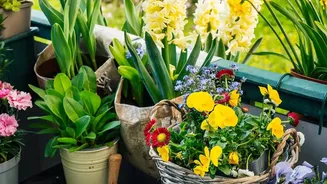
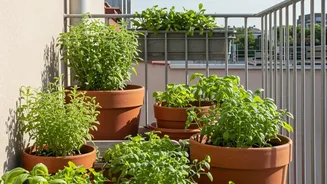
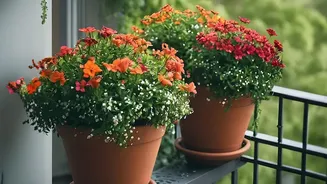
A balcony has its own microclimates. Some spots are more exposed to harsh winds, while others are sheltered and benefit from the warmth radiating from the building. Grouping your hardy pots together against a wall is a simple but effective strategy. Huddling them close creates a collective thermal mass that helps moderate temperature swings, offering mutual protection. For the best results, choose a location sheltered from prevailing winter winds, such as the north or east side of your building. This simple repositioning can significantly reduce windburn and dehydration in evergreen plants.
Insulate the Pots, Protect the Roots
A plant’s roots are far more vulnerable to cold than its leaves, especially in a container where they are exposed on all sides. Insulating your pots is one of the most critical steps. Wrapping the outside of your containers with materials like bubble wrap, burlap, or horticultural fleece creates a protective barrier against freezing temperatures. For a more aesthetic look, you can cover the bubble wrap with a layer of burlap. Another key technique is to elevate your pots off the cold concrete floor using pot feet or wooden boards, which prevents heat loss through direct contact and ensures proper drainage.
Rethink Your Watering Schedule
Overwatering is a major risk for dormant plants in winter and can lead to root rot. Plants' water needs decrease significantly as their growth slows. The rule of thumb is to water less frequently, but don't let the soil dry out completely, as cold winter winds can still dehydrate plants. Check the soil every week or two; if the top inch or two feels dry, it's time to water lightly. Always water on milder, sunny days when temperatures are above freezing (around 4°C or 40°F) to allow the water to be absorbed before it can freeze. Ensure drainage holes are clear to prevent water from collecting and freezing, which can crack pots and damage roots.
Add a Layer of Mulch
Just as insulation protects the sides of the pot, mulching protects the top. Applying a 2nd to 3rd inch layer of organic mulch like shredded leaves, straw, or bark chips over the soil surface helps insulate the root ball from above. This layer helps to regulate soil temperature, prevent deep freezing, and retain moisture. It is best to apply the mulch after the first hard frost, as this helps lock in the ground's residual warmth and protects the roots from the damaging freezend thaw cycles that can occur throughout winter.
Consider Your Container Material
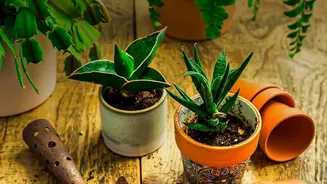
Not all pots are created equal when it comes to winter hardiness. Porous materials like unglazed terracotta and some ceramics absorb water, which can freeze, expand, and cause the pot to crack. These types of containers are best emptied, cleaned, and stored in a dry, frostfree location like a shed or garage. If you plan to leave pots outside yearround, materials like fibreglass, resin, thick concrete, or wood are more durable choices as they are less susceptible to freeze thaw damage. If you must leave a ceramic pot out, ensure it is wrapped well to protect it from moisture and temperature swings.