




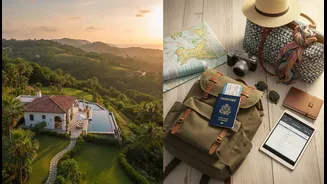


The End of the Once-a-Year Holiday?
For generations, leisure travel in India was synonymous with the big annual holiday—a meticulously planned, often multi-week affair that was the year's primary opportunity for escape. But in the face of modern work pressures and a growing focus on mental
wellbeing, this traditional model is proving insufficient. The once-a-year reset is giving way to a more agile and frequent approach to relaxation. A new trend, often dubbed the 'micro-holiday economy,' is taking hold. Instead of waiting an entire year, travellers are now opting for multiple two-to-four-day trips, using long weekends and flexible work schedules to their advantage. Recent reports highlight a significant mindset shift: many now prefer taking several short trips over one long holiday.
What's Driving the Micro-Vacation Boom?
Several factors are fuelling this change. The rise of hybrid and remote work is a major catalyst, giving professionals the flexibility to take short breaks without dipping heavily into their leave balances. A recent report noted that this flexibility is a key reason for the boom, as people can blend work and leisure. There's also a deeper cultural shift towards prioritising mental health. Short, regular breaks are seen as an essential tool to combat burnout, with travellers seeking quick rejuvenation over exhaustive, long-haul journeys. This is especially true for younger generations like Millennials and Gen Z, who are the most enthusiastic about travel and are leading this demand. Furthermore, the logistical ease of a drivable getaway or a city staycation is more appealing than the complexities of planning an extensive tour.
The Anatomy of a Short Escape
So, what do these short escapes look like? According to a recent travel trends report, the average domestic trip now lasts just 1.7 nights. Spontaneity is a key feature, with a significant number of bookings made just days or even hours before departure. These trips are not about frantic sightseeing. Instead, the focus is on high-quality, intentional experiences. This could mean a weekend staycation at a luxury city hotel, a quiet retreat at a boutique farmhouse, or an immersive culinary trip. Drivable destinations are seeing a surge in popularity, as are unique properties that are child-friendly and pet-friendly. The journey itself is also becoming part of the experience, with increased demand for scenic train and bus routes.
Premium Experiences in a Shorter Window
Interestingly, shorter does not mean cheaper. Travellers are choosing to concentrate their spending on premium experiences within a compact timeframe. Reports indicate that despite the shorter duration of trips, a majority of hotel bookings are for four and five-star properties. This suggests a preference for comfort and quality over quantity. Resorts have seen faster growth than traditional hotels, pointing to a desire for all-inclusive, restorative environments. Rather than just visiting a place, people are building trips around specific activities like wellness programs, cultural festivals, or sports events. This shift from destination-led to experience-led travel shows that the goal is fulfilment and creating meaningful memories, even on a short break.
How the Travel Industry Is Adapting
The travel and hospitality industry has been quick to respond to this evolving demand. Hotel chains and boutique properties are now actively marketing weekend packages and curated short-stay experiences. There is a clear focus on the domestic market, which has become the primary engine of growth for India's hospitality sector. Travel agencies are also promoting weekend getaways and short domestic tours. The rise of independent travellers who prefer to plan their own trips has led to a boom in bookings across a wider range of destinations, including Tier-2 and Tier-3 cities. This trend is expanding beyond major metros, reflecting a nationwide shift in how Indians choose to unwind and explore.