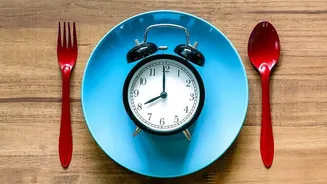








The Challenge of Shift Work
Working nights goes against the body's natural 24-hour cycle, known as the circadian rhythm. This internal clock regulates sleep, hormone release, and metabolism, and it's primarily synced by light and darkness. When you work overnight, you create a conflict
between your environment and your internal clock, a state called circadian misalignment. This disruption is more than just inconvenient; it's linked to significant health risks. Studies show shift workers have a higher incidence of metabolic disorders, including obesity, type 2 diabetes, and heart disease. The constant stress on the body from this misalignment can lead to increased blood sugar, higher blood pressure, and hormonal imbalances.
Your Body's Internal Clocks
Think of your body as having two types of clocks. There is a master clock in your brain, the suprachiasmatic nucleus (SCN), that responds to light. But there are also peripheral clocks in almost every organ, including your liver, pancreas, and gut. These clocks respond to other cues, most notably, when you eat. Under normal conditions, these clocks are all synchronized. During the day, when you are active and eating, your metabolic organs are primed for digestion and energy use. At night, as your brain prepares for sleep, these organs are meant to rest and repair. Shift work throws a wrench in this system. Exposure to light at night and eating when your digestive system expects to be offline sends conflicting signals, desynchronizing your internal clocks.
The Daylight Eating Strategy
This is where circadian-aligned meal timing, or what some call 'daylight eating', comes in. The concept is simple: restrict all your eating to daylight hours, even if you work at night. This approach, a form of time-restricted eating (TRE), aims to realign your body's peripheral clocks with the master clock by providing calories only when your metabolic systems are naturally most efficient. By fasting during the biological night (the hours you would normally be asleep), you give your digestive system its expected rest period, even if you are awake and active. This helps reduce the conflicting signals that contribute to metabolic disruption.
What the Research Says
The evidence supporting this strategy is compelling. A key study involving simulated night work found that participants who ate during the day showed no significant increase in their blood glucose levels. In contrast, those who ate during the night saw their average glucose levels rise by 6.4%, a known risk factor for diabetes. Other studies have reinforced these findings, showing that daytime eating for shift workers can help improve blood pressure, insulin resistance, and other markers of cardiovascular and metabolic health. The research suggests that by aligning meal times with the body's 'daytime' metabolic phase, many of the negative health effects of working nights can be significantly reduced.
Making It Work For You
Adopting a daylight eating schedule while working nights requires planning. The goal is to create an eating window of around 10 to 12 hours during the day and fast overnight. A practical approach might look like this: have a substantial, balanced meal before heading to your shift. During your shift, focus on staying hydrated with water and avoid eating, especially between midnight and 6 a.m. when digestive processes are slowest. If you feel you must eat, opt for a very light, protein-rich snack. After your shift, you can have a small, healthy breakfast-style meal before you go to sleep. This helps prevent hunger from waking you but isn't a heavy meal that will disrupt rest. Planning and preparing meals in advance can make sticking to this schedule much easier.