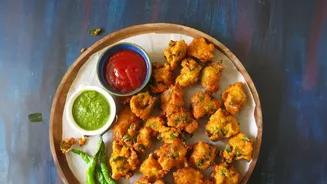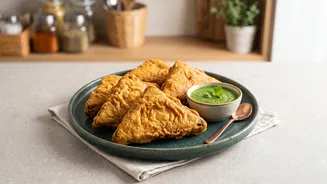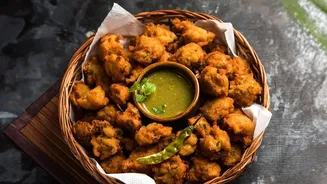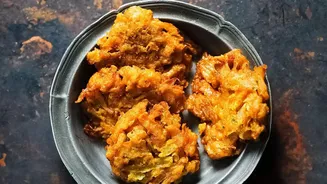


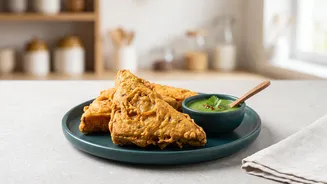
The Secret is in the Batter
The journey to a less oily pakora begins with the batter. A batter that is too thin will not coat the bread properly and will cause the pakora to absorb excess oil. The ideal consistency should be thick enough to coat the back of a spoon without being
runny. To achieve this, add water to your besan (gram flour) gradually. For an extra-crispy and less absorbent crust, incorporate a small amount of rice flour or cornstarch into your besan mix. This simple addition creates a lighter, crispier shell that acts as a better barrier against oil. Some expert cooks also swear by adding a tablespoon of hot oil from the frying pan into the batter right before frying; this is said to help make the pakoras crisp and reduce overall oil absorption.
Mastering the Potato Filling
What’s inside counts just as much. A perfect potato filling for bread pakora is flavourful but not overly moist. Excess moisture from the filling can escape into the hot oil, causing it to splatter and, more importantly, lowering its temperature. This temperature drop is a primary cause of greasy food. To avoid this, ensure your boiled potatoes are mashed and cooled. Sauté your spices and aromatics like ginger, green chillies, and onions until they release their fragrance before mixing them into the potatoes. This not only deepens the flavour but also helps cook off any excess moisture, resulting in a drier filling that holds together perfectly.
The Critical Role of Oil Temperature
This is the most crucial step in preventing oily pakoras. If the oil is not hot enough, the pakora will sit in it and soak it up like a sponge. If it’s too hot, the outside will burn before the batter inside is cooked. The ideal temperature range for deep-frying is between 175-190°C (350-375°F). If you don't have a kitchen thermometer, you can test the oil by dropping a small amount of batter into the pan. If it sizzles and rises to the surface steadily without browning too quickly, your oil is ready. Maintaining this temperature is key, so avoid overcrowding the pan, which can cause the oil temperature to drop significantly.
The Double-Frying Technique
For the ultimate crispiness, many street vendors and seasoned chefs use a technique called double-frying. This involves frying the pakoras once on medium heat until they are cooked through but only lightly coloured. Remove them from the oil and let them cool for a few minutes. Then, just before serving, increase the heat of the oil slightly and fry them a second time for a minute or two until they are deep golden brown and exceptionally crispy. This second fry renders out any oil absorbed during the first fry and creates a crunchy exterior that stays crisp for longer.
Drain, Don't Drown
How you drain your bread pakoras after frying makes a huge difference. While placing them on a paper towel is a common practice, it's not the most effective method. When pakoras sit on a flat surface, the bottom can trap steam, making it soft and allowing it to reabsorb the very oil you’re trying to get rid of. The best method is to place the freshly fried pakoras on a wire rack set over a baking sheet. This allows air to circulate all around the pakora, ensuring the entire surface stays crisp while excess oil drips away cleanly.