




The Original Eco-Plate: Banana Leaves
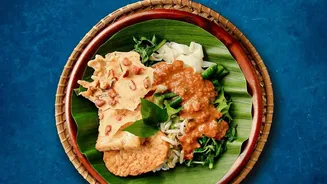
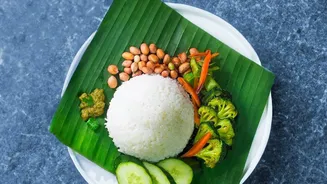
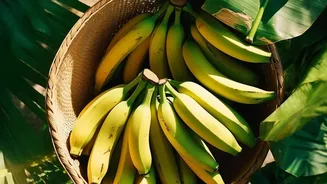
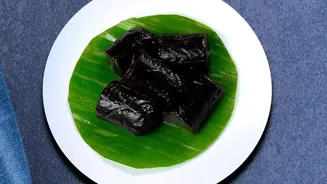
Long before disposable plates became a concern, many parts of India had a perfect, natural solution: the banana leaf. Using a freshly cleaned banana leaf as a plate is not just a nod to tradition, it's a masterclass in sustainability. These leaves are
completely biodegradable, returning to the earth without a trace and often serving as cattle feed after a meal. Unlike plastic or styrofoam, they don't clog landfills for centuries. Serving hot food on a banana leaf is also believed to release polyphenols, natural antioxidants found in the leaf, which can add a subtle health boost to your meal. The waxy, waterproof surface imparts a mild, earthy aroma that enhances the food's flavour, making every bite a unique experience.
Farm-to-Table Festivities
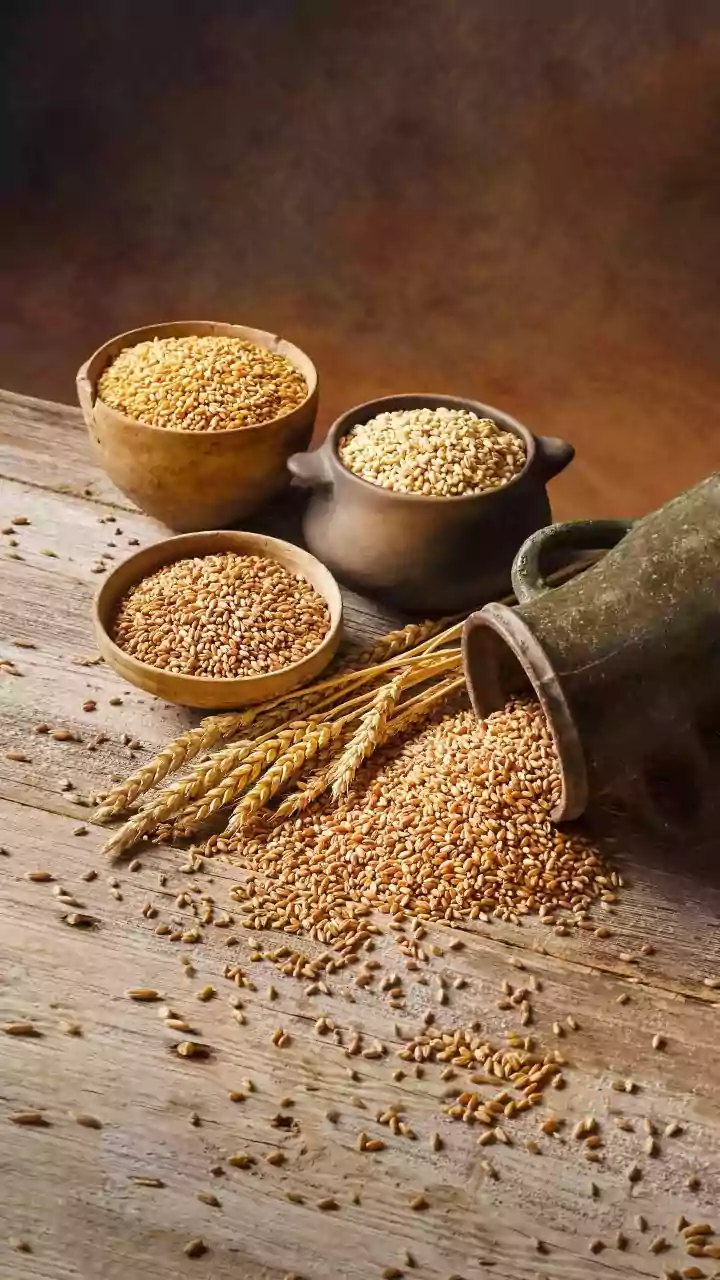
A sustainable feast begins with mindful sourcing. The essence of many Indian harvest festivals is to celebrate local abundance. Prioritising regional and seasonal organic produce is a powerful way to make your festive meal greener. Buying vegetables and grains from local farmers' markets reduces the carbon footprint associated with long-distance transportation. It also supports the local economy and guarantees fresher, more flavourful ingredients. Organic farming practices improve soil health, conserve water, and eliminate the use of harmful chemical pesticides and fertilisers, which is better for both the environment and your family's health. Choosing indigenous varieties of rice, millets, and vegetables also helps preserve agricultural biodiversity.
Mindful Menus and Minimal Waste
Food waste is a significant environmental issue, especially during large gatherings. Planning your menu thoughtfully can drastically reduce leftovers. A simple strategy is to plan for about 80% of your confirmed guests to avoid over-catering, a common practice in Indian hospitality. Encourage guests to take smaller portions initially. Any unavoidable leftovers don't have to go to waste. Edible food can be shared with those in need through local food banks or community networks. Vegetable scraps, peels, and used banana leaves can be composted, turning potential waste into nutrient-rich soil for your garden. Setting up clearly labelled bins for compostable, recyclable, and other waste can make the cleanup process much more efficient.
Decorations That Don't Cost the Earth
Festive decor sets the mood, but plastic and thermocol decorations create lasting waste. Instead, turn to nature for inspiration. Traditional Indian decorations are inherently eco-friendly. Use fresh, local flowers like marigolds and jasmine, along with mango leaves, to create beautiful torans (door hangings) and garlands. Create a stunning rangoli with flower petals or rice flour instead of synthetic colours. Earthen diyas (lamps) and brass lanterns offer a warm, traditional glow and can be reused year after year, unlike disposable string lights. You can also get creative with DIY decor by repurposing old fabrics, glass bottles, or even dried twigs and leaves to create a unique and personal festive atmosphere.
Green Gifting and Conscious Choices
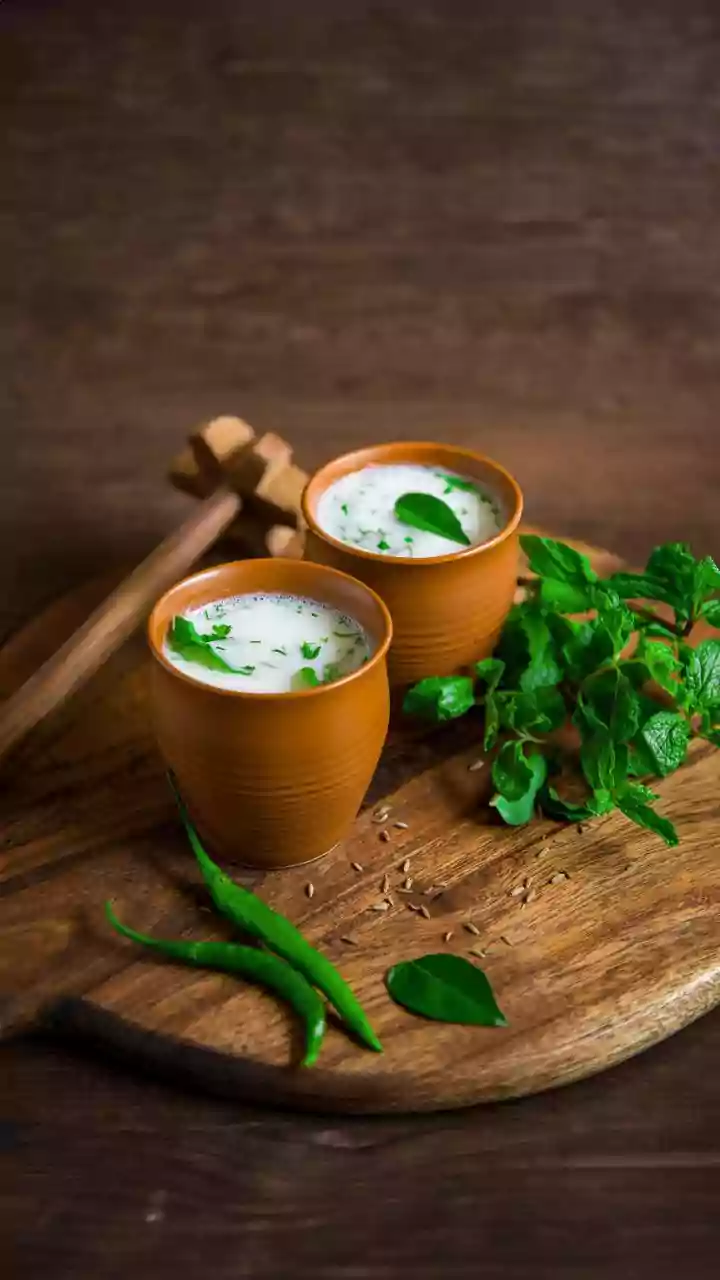
The spirit of giving can also be sustainable. Instead of conventional gifts wrapped in plastic, consider thoughtful, eco-friendly options. Potted plants, seed pencils, organic food hampers, or handmade crafts from local artisans are wonderful presents that won't end up in a landfill. When it comes to drinks, avoid single-use plastic bottles and cups. Use steel, brass, or glass tumblers for serving water and other beverages. If disposables are necessary, opt for biodegradable alternatives made from areca palm leaf or sugarcane bagasse. These small but significant choices, when combined, create a celebration that is not only beautiful and joyous but also deeply respectful of the environment.