


The 'Tolerant, Not Thriving' Truth
The biggest misconception in the world of houseplants is the idea of a 'low-light plant'. The truth is, no plant wants to live in the dark. All plants need light for photosynthesis, the process of creating their food. When a plant is labelled as 'low-light',
it really means 'low-light tolerant'. These are typically species that evolved on shady rainforest floors, adapted to survive on less light than their sun-loving counterparts. They aren't thriving in your dim hallway; they are surviving. Think of it as a state of slow starvation. They can endure it longer than other plants, but they will never grow lush and full without adequate light.
What 'Low Light' Really Means
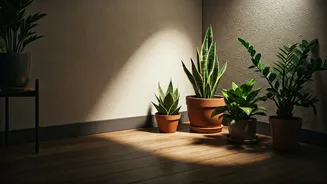
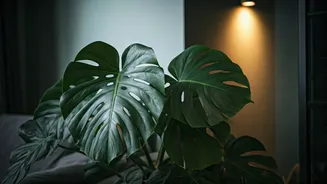
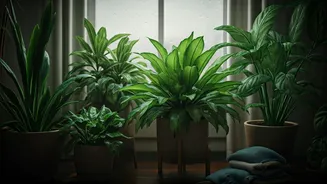
To a plant, your cosy, well-lit room might as well be a cave. Indoor light is significantly weaker than outdoor shade. What we perceive as 'bright enough to read a book' is considered low light in botanical terms. Generally, a low-light area is more than a few feet away from a window, in a room with a north-facing window, or in a spot where direct sun never hits. Plants in these conditions have adapted. Many have darker, broader leaves to maximise the surface area for capturing whatever light is available. However, if a plant becomes 'leggy'—with long, pale, and stretched-out stems—it's a clear sign it is desperately reaching for more light.
A New Care Strategy: Less is More
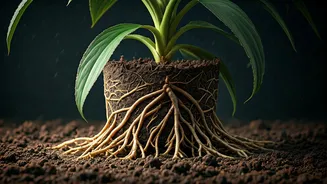
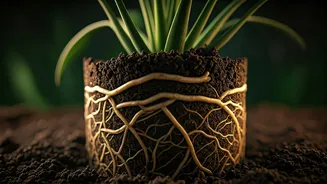
Since a plant in low light is photosynthesizing less, its entire metabolism slows down. This is the key to rethinking your care routine. The number one mistake is overwatering. With less light, a plant uses far less water, and the soil stays damp for longer. Watering a low-light plant on the same schedule as one in a sunny window is a fast track to root rot. Always check the soil; if the top one to two inches are not dry, do not water. Similarly, hold back on fertiliser. You cannot force a plant to grow with food when what it really lacks is light. Fertilising a stressed, slow-growing plant can burn its roots and do more harm than good.
Choosing the Right Survivors
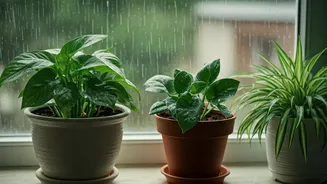
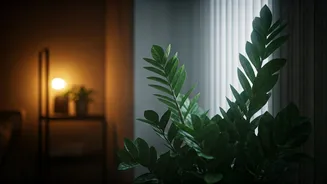
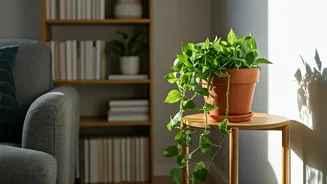
While no plant thrives in darkness, some are exceptionally good at tolerating it. The ZZ Plant (Zamioculcas zamiifolia) and Snake Plant (Dracaena trifasciata) are champions of neglect, able to survive on very little light and infrequent watering. Pothos (Epipremnum aureum) and Heartleaf Philodendron are trailing plants that maintain their colour well in lower light. The Cast Iron Plant (Aspidistra elatior) lives up to its name, being tough and resilient in dim conditions. When choosing, look for plants with solid, dark green leaves, as variegated (multi-coloured) versions often need more light to maintain their patterns.
Simple Ways to Maximise Light
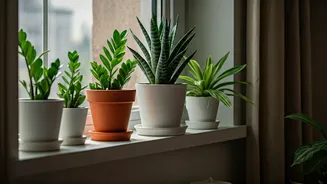
You can make a significant difference without a major renovation. The simplest step is to keep your windows clean. Dust and grime can dramatically reduce the amount of light entering a room. Also, keep the plant's leaves clean; a layer of dust blocks light absorption. Rotate your plants every time you water to ensure all sides get some light exposure, preventing lopsided growth. Strategic placement of mirrors can also help bounce light into darker corners of a room. If a space is truly dark, like a windowless bathroom, the only sustainable option is to use a dedicated LED grow light.