



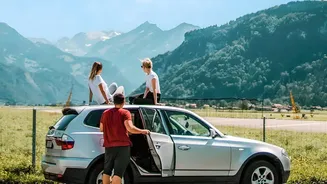
The annual 10-day holiday is being replaced by the two-day micro-break. Tired of the urban grind, a growing number of Indian professionals are embracing frequent, short getaways to explore nearby heritage and nature sites as a way to recharge.
The Rise of the Micro-Vacation
The traditional
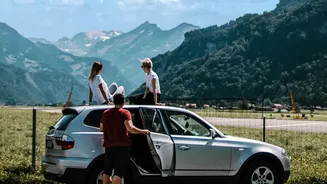
concept of saving up all year for one long vacation is fading. Instead, professionals are opting for multiple 'micro-vacations'—short trips of one to three days, often taken over a weekend. This shift reflects a move toward travel that is easier to plan, more affordable, and can be repeated throughout the year. Reports show that many travellers, particularly younger generations, now prefer taking several short trips over a single long one. This trend is driven by a desire for more regular breaks to combat burnout and stress from fast-paced work environments. Rather than waiting months for a chance to unwind, these quick escapes provide a consistent and accessible way to reset.
Newfound Flexibility and a Focus on Wellness
The widespread adoption of hybrid and remote work models has been a major catalyst for this trend. With the flexibility to work from anywhere, professionals can extend their weekends by leaving for a trip on a Thursday evening or returning on a Monday morning without dipping into their limited leave balance. This newfound freedom has made spontaneous getaways more practical. Alongside this flexibility, there is a growing emphasis on wellness and mental health. Many see these trips not just as leisure, but as a necessary practice for their well-being, seeking experiences that calm the mind and body. Travel is increasingly viewed as a way to recharge mentally and physically, something that is difficult to achieve at home.
Rediscovering India's Own Backyard
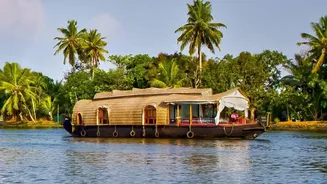
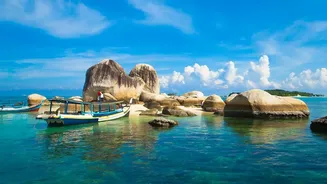
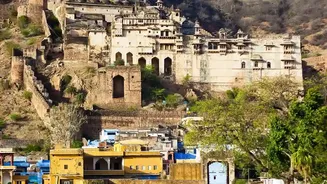
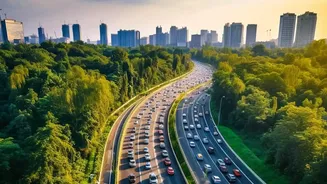
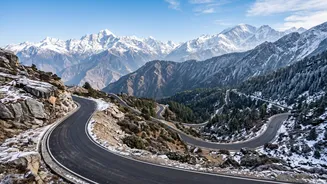
The focus of these short trips is distinctly local. Professionals are exploring destinations within a few hours' drive of their cities, rediscovering the rich heritage and natural beauty in their own states. Improved infrastructure, including better highways and more regional airports, has made previously hard-to-reach locations accessible for a weekend trip. Popular choices include serene hill stations like Munnar and Coorg, coastal towns such as Varkala and Alibaug, and heritage sites near cities like Jaipur and Udaipur. Nature retreats, from trekking in the Himalayas to exploring the Western Ghats, are also in high demand, offering a much-needed connection with the outdoors.
A Boost for Local Economies
This shift in travel patterns is creating a 'micro-holiday economy', providing a significant boost to local tourism. The increased frequency of visitors provides a steady stream of income for homestays, boutique hotels, local cafes, and tour operators in smaller towns and rural areas. Unlike international tourism, which can be seasonal, these domestic weekend trips generate consistent demand throughout the year. This trend also encourages the development of new tourism circuits and experiences beyond the traditional hotspots. As travellers seek unique and authentic experiences, it fosters a more sustainable model of tourism that distributes economic benefits more widely across different regions.