




The End of the Off-Season
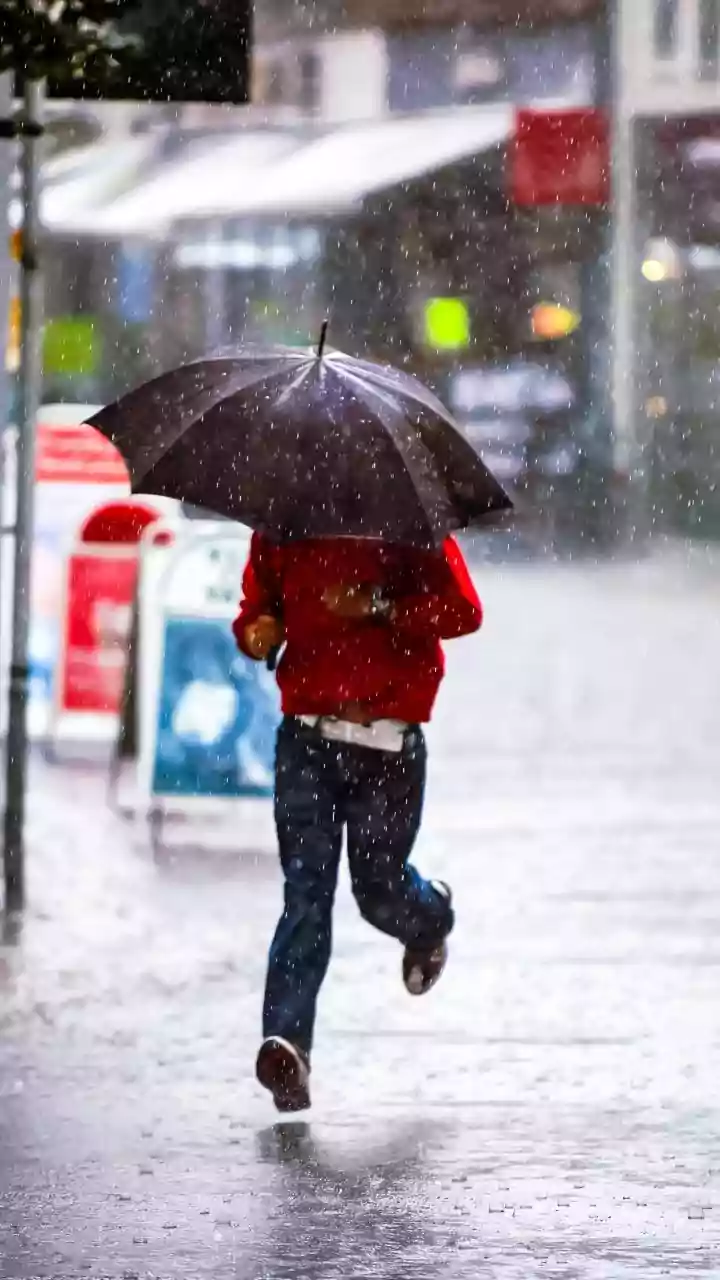
What was once a predictable lull for the tourism industry is fast becoming a bustling mini-season. Major travel platforms and hotel groups are reporting a significant shift, with the monsoon period now defying its off-season reputation. For example, hotel group Radisson
saw its July bookings for 2026 pacing nearly 10% ahead of the previous year. Data from booking platform Cleartrip shows a staggering 54% year-on-year increase in hotel bookings for the monsoon season. This isn't a niche trend; it's a fundamental change in Indian travel habits. The era of deep monsoon discounts and empty resorts seems to be drawing to a close as consistent demand gives hotels stronger pricing power.
What’s Fuelling the Rainy-Day Rush?
Several factors are contributing to this surge. Indian travellers are increasingly looking for experience-led trips, prioritising unique moments over traditional seasonal travel. The lush landscapes, cooler temperatures, and smaller crowds of the monsoon offer a different, more immersive experience. This is amplified by a shift towards shorter, more frequent breaks, often planned around long weekends. The rise of 'workations' and flexible hybrid work models also allows people to travel outside of traditional holiday peaks. Furthermore, a growing appreciation for domestic destinations and targeted marketing by travel companies offering special monsoon packages have made rainy-season travel more appealing and accessible than ever before.
Hotspots Seeing the Surge
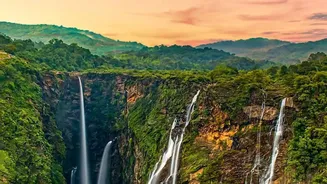
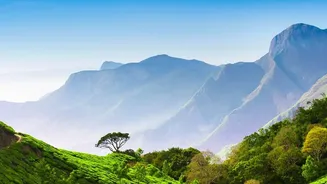
While classic destinations remain popular, booking data reveals explosive growth in specific regions. According to one report, hotel bookings in Munnar and Mussoorie have seen a nearly tenfold increase compared to last year. Wayanad in Kerala has also witnessed a booking surge of over 160%, with Alleppey close behind at 145%. Even Goa, a perennial favourite, recorded over 110% growth in hotel bookings. Beyond the usual suspects, the Northeast is emerging as a standout performer, with Nagaland and Arunachal Pradesh seeing a 62% rise in flight bookings and over 90% growth in hotel stays. Hill stations across the board, from Kodaikanal and Ooty in the south to Nainital in the north, are all experiencing robust demand.
The Price of Waiting
For travellers, this new reality has clear consequences: waiting until the last minute will likely lead to higher prices and limited options. With hotels no longer needing to offer steep off-season discounts to fill rooms, the bargains of yesteryear are becoming scarce. The most sought-after properties in popular destinations like Coorg, Lonavala, and Mussoorie are getting booked up much earlier. This demand extends to transport as well, with bus bookings reportedly surging by 140%. To secure a preferred hotel, a room with a view, or even a confirmed seat on a bus or flight during a long weekend, early planning is no longer just advisable—it's essential.
Your Monsoon Booking Playbook
To navigate this competitive landscape, a strategic approach is key. Start by identifying your destination early, especially if it's one of the high-demand hotspots. For popular long weekends, such as the ones in August 2026, booking at least a month or two in advance is recommended. Be flexible with your dates if possible; travelling mid-week can sometimes yield better availability and prices. Set up price alerts for flights and hotels to your chosen destination. Don't underestimate the popularity of bus travel and book those tickets early as well. Finally, consider exploring offbeat destinations that may not be experiencing the same level of surge. While the secret of monsoon travel is out, a little foresight can still ensure you enjoy the magic of India in the rains without the stress.