
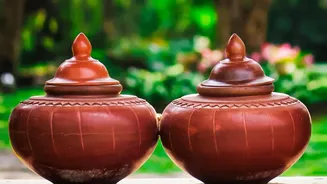
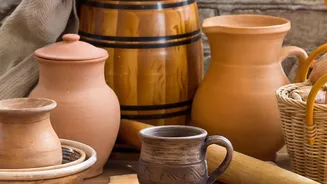
A Lighter Environmental Touch
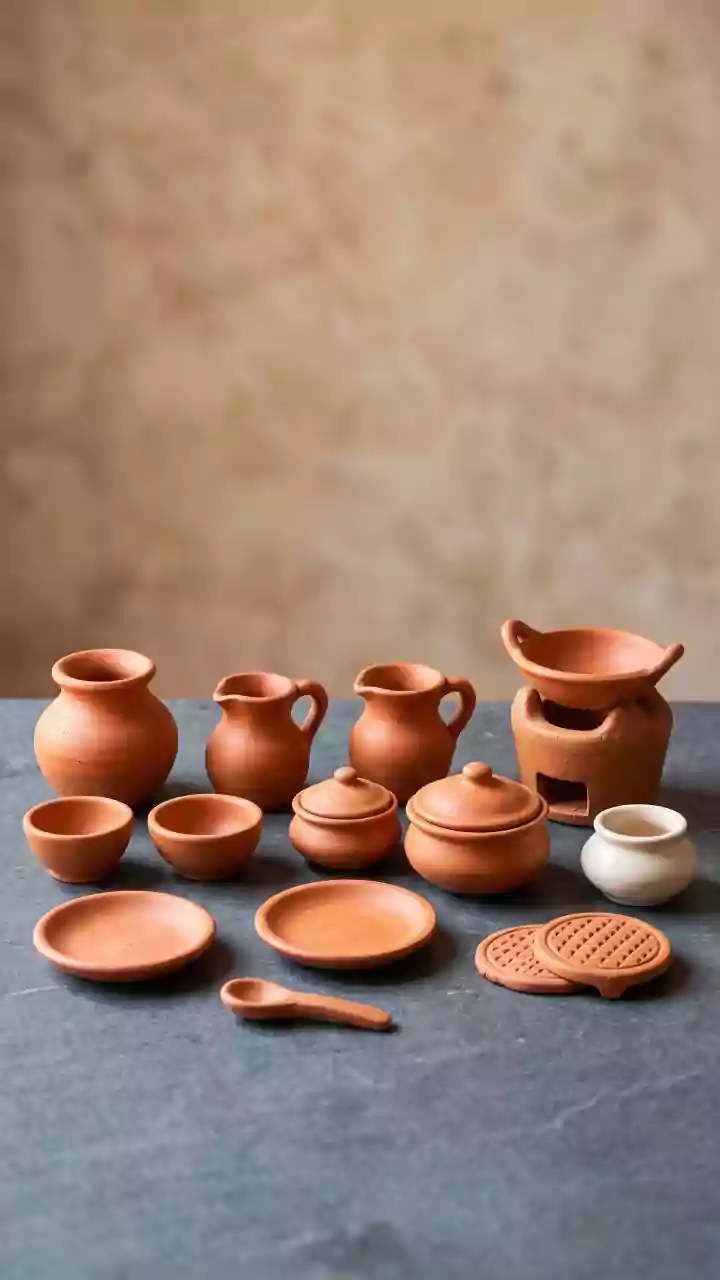
One of the most compelling reasons for the revival of clay pot cooking is its gentle impact on the environment. Clay, as a natural material, is abundant, biodegradable, and free from the chemical coatings found on some modern cookware. When a clay pot's
life is over, it can decompose back into the earth, unlike metal or synthetic pans that fill up landfills. The production process itself can also be more energy-efficient compared to manufacturing glass or metal. By retaining heat so effectively, clay pots require less energy to cook food, allowing for lower and slower cooking that reduces overall energy consumption and helps shrink your kitchen's carbon footprint. They keep food warm for longer periods after cooking, minimizing the need for reheating.
The Science of Superior Flavour
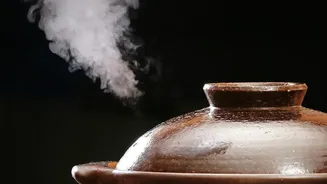
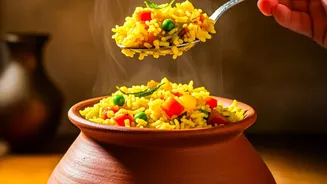
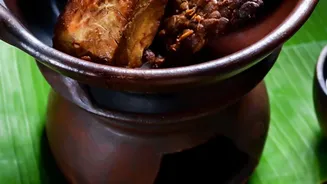
Anyone who has tasted a dish prepared in a clay pot, or 'handi', will tell you it just tastes different—richer, deeper, and more aromatic. This isn't imagination; it's science. Clay is naturally porous, a quality that is key to its culinary magic. During cooking, the pot's walls absorb moisture and create a self-steaming environment. This gentle circulation of heat and steam cooks food evenly and slowly, preventing it from drying out while tenderizing meats and vegetables. Unlike metal pans that heat up quickly and can cause ingredients to burn or turn bitter, clay distributes heat gently. This allows the natural flavours of spices and vegetables to develop fully and meld together, creating a more complex and satisfying taste with less need for added fats or oils.
Locking in Nutrients, Not Chemicals
The benefits of clay pot cooking extend deep into the nutritional value of your meals. The slow and gentle heating process helps preserve delicate vitamins and minerals that can be destroyed by the aggressive high heat of metal cookware. Furthermore, unglazed clay pots are free from synthetic coatings like PTFE (found in non-stick pans), which can potentially release harmful chemicals when overheated. Clay is also naturally alkaline, which can help neutralize the acidity in foods like tomatoes, making them easier to digest. Some proponents even suggest that beneficial minerals from the clay itself, such as calcium, iron, and magnesium, can be imparted to the food during cooking.
Getting Started with Earthenware
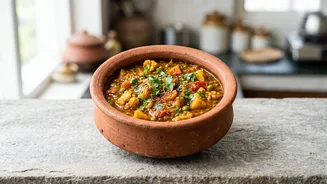
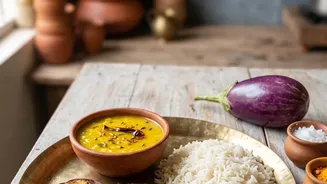
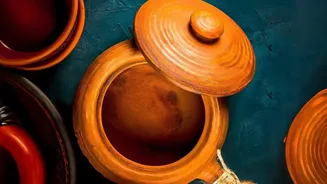
Adopting clay pot cooking is simple, but it requires a slightly different approach. First, it's crucial to 'season' an unglazed pot before its first use to prevent cracking and ensure longevity. This typically involves soaking the pot and lid in water for several hours, then allowing it to dry, sometimes followed by rubbing it with oil and heating it. For subsequent uses, a shorter soak of about 15-30 minutes is often recommended. The most important rule is to avoid thermal shock: never place a cold pot in a hot oven or a hot pot on a cold surface. Always start with a cold oven and let the pot heat up gradually. Clay pots are perfect for slow-cooked dishes like stews, curries, dals, and rice preparations. When cleaning, avoid harsh soaps, which can be absorbed by the porous clay; warm water and a soft brush are usually sufficient.