





Beyond the Open-Plan Kitchen
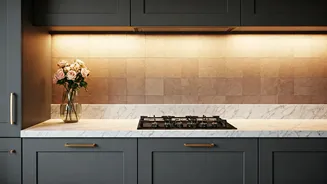
For decades, the open-plan kitchen has been a staple of modern home design, breaking down the walls between cooking and living areas. But a new evolution is taking place. The 'social cooking space' goes a step further. It’s not just a kitchen that’s visible;
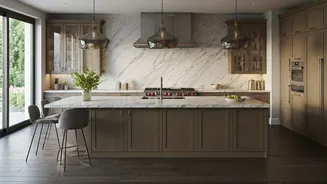
it’s a kitchen designed as the primary stage for social interaction. Think of sprawling islands that double as dining tables, with seating for six or more. Imagine multiple work zones, so guests can chop vegetables or mix drinks alongside the host without getting in the way. These spaces often feature high-end, commercial-grade appliances that are as much about performance as they are about aesthetics, integrated wine fridges, and dedicated coffee bars. The goal is to transform cooking from a solitary chore into a collaborative, entertaining experience.
The Rise of the Foodie Host
So, why the shift? A huge driver is the cultural ascendancy of food. Thanks to endless cooking shows, celebrity chefs, and Instagram-worthy meals, we’ve all become gourmands in our own right. Hosting a dinner party is no longer about hiding away in the kitchen and emerging with a perfectly plated meal. Instead, the process itself has become the entertainment. Guests don't just want to eat the food; they want to see how it’s made, discuss the ingredients, and participate in the experience. A social kitchen facilitates this beautifully. It allows the host to be part of the conversation while searing a steak or whisking a sauce. It’s a move away from formal, structured entertaining and towards a more relaxed, interactive, and authentic way of gathering.
Communal Kitchens as Urban Luxury
This trend isn’t limited to sprawling suburban homes. In dense urban centres, a different kind of social cooking space is emerging as a top-tier amenity in new apartment buildings: the communal kitchen. These are not your dreary hostel kitchens. We’re talking about professionally designed, bookable spaces equipped with top-of-the-line Wolf ranges, Sub-Zero refrigerators, and long, elegant dining tables. For residents in smaller apartments, these communal hubs offer a taste of luxury and the ability to host large gatherings they couldn't accommodate in their own units. It’s a clever solution that provides access to high-end experiences without the need for individual ownership, fostering a sense of community and offering a significant 'flex' in a competitive rental or property market.
What Makes It a 'Flex'?
Ultimately, the social cooking space has become the new home 'flex' because it signals more than just wealth. While the high-end finishes and expensive appliances certainly speak to financial status, the real boast is about lifestyle. A well-designed social kitchen says, 'I have friends. I value connection. I lead a vibrant, interesting life filled with good food and great company.' It showcases a host's taste, skill, and generosity. In an era where experiences are often valued more than possessions, the ability to create and share a memorable culinary experience in your own home is the ultimate status symbol. It’s less about the square footage you own and more about the life you live within it.