







The Launchpad is Ready
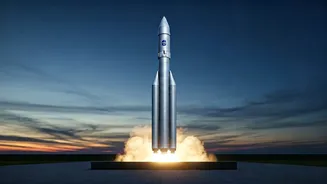
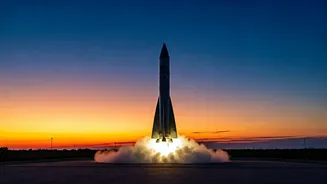
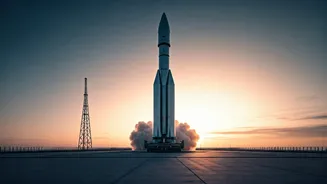
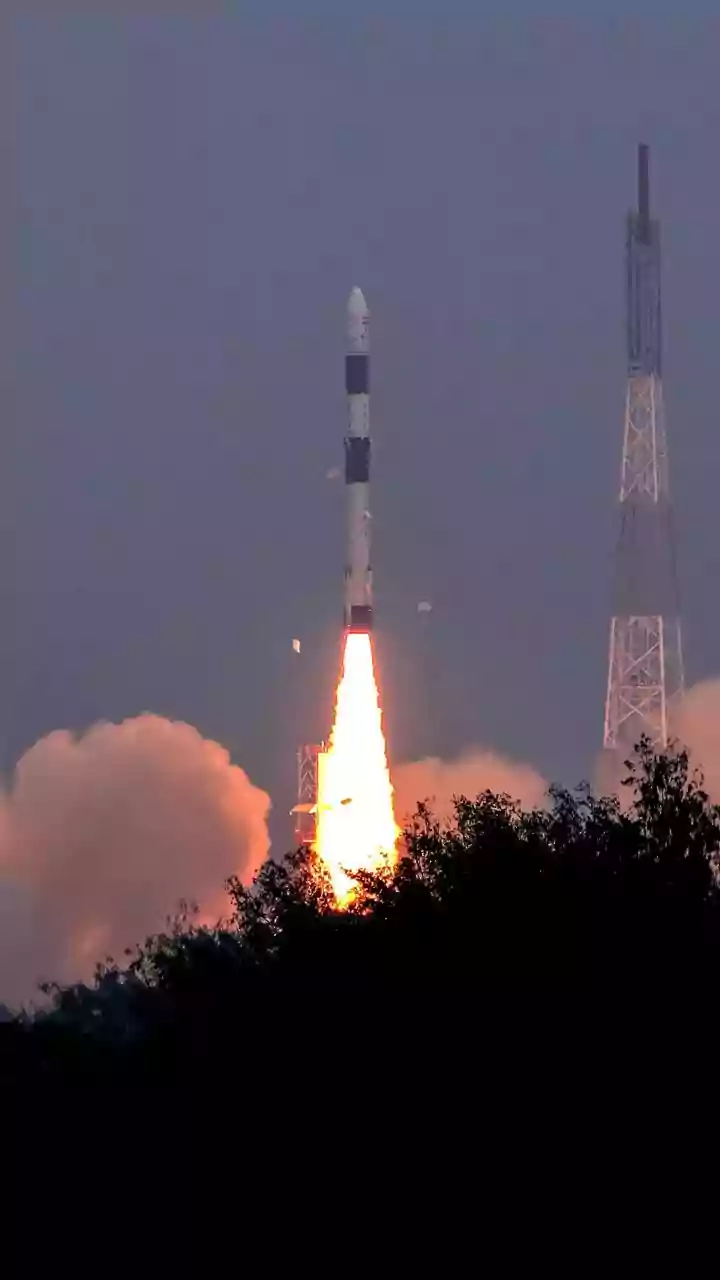
The Indian space sector is holding its breath for a historic moment. Hyderabad-based startup Skyroot Aerospace has announced the launch window for Vikram-1, the country's first privately developed orbital-class rocket. The mission, named 'Aagaman' (meaning
'arrival'), is scheduled to lift off from the Satish Dhawan Space Centre in Sriharikota between July 12 and August 4, 2026. This isn't just another launch; it's the culmination of years of policy shifts, engineering prowess, and entrepreneurial spirit. In 2020, India opened its space sector to private participation, ending the decades-long monopoly of the Indian Space Research Organisation (ISRO). The goal was to foster a vibrant ecosystem of startups that could build, launch, and operate space assets, positioning India as a major player in the global space economy. The upcoming flight of Vikram-1 is the first true orbital test of that policy.
Meet the Trailblazers
Skyroot Aerospace, founded by former ISRO engineers, is at the forefront of this new era. Their journey began with the suborbital flight of Vikram-S in November 2022, which was the first rocket built by a private Indian company to reach space. Vikram-1 is a much more ambitious, seven-storey-tall multi-stage rocket designed to carry small satellites weighing up to 350 kg into Low Earth Orbit. The rocket features an all-carbon composite structure and 3D-printed engines, innovations aimed at enabling rapid manufacturing and a high launch frequency. But Skyroot isn't alone. Chennai-based Agnikul Cosmos also made history in May 2024 by launching a rocket with the world's first single-piece 3D-printed engine from its own private launchpad. Other players like Pixxel (satellite imagery), and Dhruva Space (satellite manufacturing) are building out other crucial parts of the space value chain, signaling a broad and deepening ecosystem.
More Than a Single Mission
The success of Mission Aagaman carries weight far beyond the fate of one rocket. For Skyroot, which recently achieved unicorn status, a successful orbital launch is the final gateway to full commercial operations, validating its technology for domestic and international customers. For India, it’s a powerful demonstration that its policy reforms are bearing fruit, creating a launch capability independent of ISRO. This is crucial for capturing a larger share of the global small satellite launch market, an industry worth billions. A successful flight would send a strong signal to global investors, who have so far contributed only a small fraction of global space-tech funding to Indian startups. According to Skyroot's CEO, Pawan Kumar Chandana, the primary goal is to capture in-flight performance data that can't be replicated on the ground, which will be vital for building a reliable commercial launch program. The moment Vikram-1 lifts off, India's private space industry will cross a threshold it has never crossed before.
Challenges in the Final Frontier
The path to orbit is not without significant hurdles. While policy has opened doors, startups still grapple with major challenges. Funding remains a primary concern; space-tech is capital-intensive with long development cycles before revenue is generated. Many companies remain in a pre-revenue phase, making them dependent on venture capital, which can be cautious given the risks involved. Another challenge is infrastructure. While ISRO has been supportive, allowing private firms to use its testing and launch facilities, demand is high and bottlenecks can occur. There are also regulatory and legal frameworks that are still evolving to meet the pace of private innovation. Ultimately, the biggest challenge is moving from technological demonstration to building a sustainable, revenue-generating business. The focus is shifting from simply proving the technology works to proving that the business model works.