


A great Indian breakfast sets the tone for the day, but many staples are high in carbohydrates. Adding slow-digesting fibre is a simple way to make them healthier, helping manage blood sugar and keeping you full longer. Here’s how.
Why Slow-Digesting Fibre Matters
Fibre is a type of carbohydrate
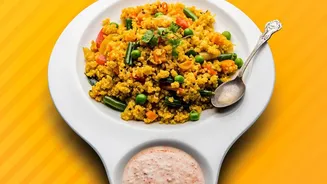
that your body can't easily digest. There are two main kinds: insoluble and soluble. Soluble fibre dissolves in water to form a gel-like substance in your stomach. This process slows down digestion, which helps prevent sharp spikes in blood sugar after a meal and keeps you feeling satisfied for a longer period. This is especially useful for carb-heavy Indian breakfasts like poha, upma, or idli, as it helps balance their impact on your energy levels throughout the morning. Adding fibre-rich seeds is an effortless way to upgrade these beloved dishes without changing their fundamental taste or character.
1. Chia Seeds
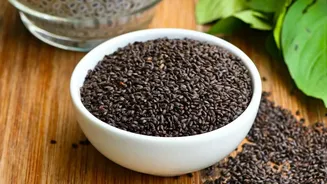
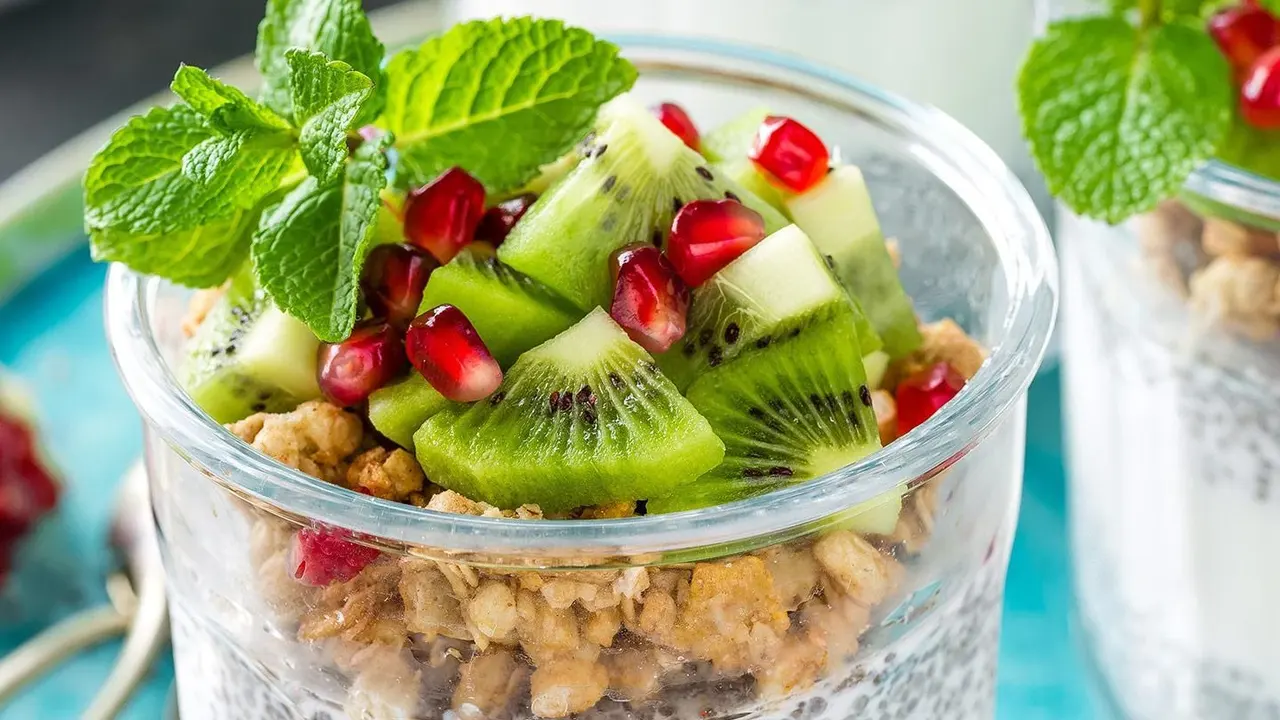
These tiny black seeds are nutritional powerhouses, famous for their ability to absorb liquid and form a gel. This gel-forming property, a result of their high soluble fibre content, is what makes them so effective at slowing digestion. They are also a fantastic plant-based source of omega-3 fatty acids, protein, and minerals like calcium and magnesium. The combination of fibre and protein helps provide sustained energy and promotes a feeling of fullness. How to use: Stir a tablespoon of soaked chia seeds into curd, lassi, or overnight oats. They can also be mixed into idli or dosa batter before cooking.
2. Flax Seeds (Alsi)
Flax seeds, known locally as 'alsi', are one of the richest plant sources of the omega-3 fatty acid ALA and are packed with beneficial compounds called lignans, which have antioxidant properties. Their high soluble fibre content can help lower cholesterol and stabilize blood sugar. To get the most benefit, it's best to consume flax seeds ground, as our bodies can't easily break down the whole seeds. How to use: Mix a tablespoon of ground flaxseed into your roti or paratha dough. You can also stir it into a bowl of dalia, porridge, or curd for a simple nutritional boost.
3. Pumpkin Seeds (Kaddu Ke Beej)
Hulled pumpkin seeds, or pepitas, are a fantastic source of magnesium, zinc, protein, and healthy unsaturated fats. The combination of protein and fibre helps promote satiety, keeping you full and energized. They also contain antioxidants that help protect your cells from damage. Their mild, nutty flavour and satisfying crunch make them a versatile addition to many meals. How to use: Sprinkle roasted pumpkin seeds over poha, upma, or sabudana khichdi just before serving for a delightful crunch. You can also blend them into chutneys or stir them into raita.
4. Sunflower Seeds (Surajmukhi Ke Beej)
Sunflower seeds are particularly rich in Vitamin E, a powerful antioxidant, and selenium, a mineral that supports immune function. They offer a good amount of protein, healthy fats, and fibre. The healthy fats, primarily polyunsaturated and monounsaturated, are beneficial for heart health. The nutrients in sunflower seeds can help reduce inflammation and provide sustained energy. How to use: Their mild flavour blends seamlessly into many dishes. Add a spoonful of roasted sunflower seeds to upma or savoury dalia. You can also sprinkle them over vegetable sabzis or mix them into curd.
5. Sesame Seeds (Til)
A staple in Indian kitchens for centuries, sesame seeds (til) are an excellent source of calcium, magnesium, copper, and healthy fats. They contain unique compounds called lignans, like sesamin, which have been studied for their antioxidant and anti-inflammatory properties. The fibre in sesame seeds supports digestive health and can contribute to better blood sugar management. How to use: Sesame seeds are traditionally used in 'podi' or chutney powders that can be served with idli and dosa. Toasted white or black sesame seeds can also be used as a garnish for poha or stirred into sabzis.