







Jodhpur’s New Gateway
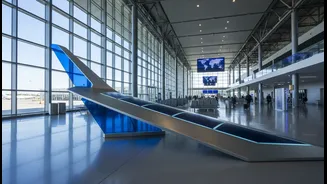
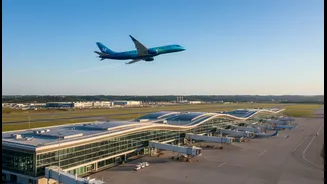
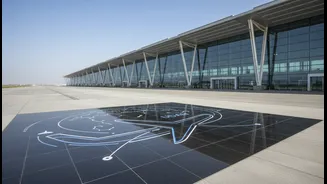
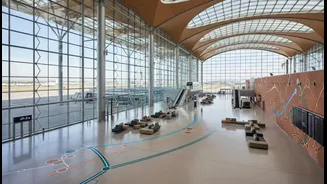
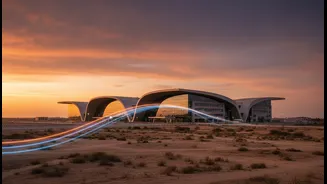
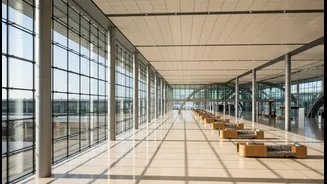
On July 4, 2026, Prime Minister Narendra Modi inaugurated a new terminal building at Jodhpur Airport, a project developed for approximately ₹480 crore. This isn't a minor facelift; the terminal, spread over 23,000 square metres, is designed to handle
up to two million passengers annually, a significant jump from the previous capacity. Featuring 20 check-in counters, six aerobridges, and advanced baggage systems, the terminal aims to provide a world-class travel experience. Its design, inspired by traditional Rajasthani architecture with elements like arches and jharokhas, offers a cultural welcome to one of India’s premier tourist destinations. This expansion was crucial as the old facility was saturated, and the upgrade positions Jodhpur to better handle tourist influx and serve as a stronger economic hub for western Rajasthan.
Understanding the UDAN Scheme
To grasp the new terminal's national significance, one must understand the Ude Desh ka Aam Nagrik (UDAN) scheme. Launched in October 2016, its core mission was to make air travel affordable and accessible, connecting the country's unserved and underserved regions. The model is straightforward: airlines bid on routes to smaller towns that might not be immediately profitable. To make these routes viable, the government provides them with Viability Gap Funding (VGF), and a certain number of seats on these flights are sold at capped, subsidised fares. Since its inception, UDAN has been credited with operationalising over 660 regional routes, connecting 95 airports, and enabling more than 16.6 million passenger journeys. It brought air travel to places like Darbhanga in Bihar and Jharsuguda in Odisha for the first time.
The Next Chapter: Modified UDAN
The very same day the Jodhpur terminal was unveiled, the Prime Minister also launched 'Viksit UDAN,' or the Modified UDAN scheme. This revamped program, approved in March 2026, comes with a substantial outlay of nearly ₹29,000 crore over the next ten years. The modification signals a crucial shift in strategy. While continuing to fund airlines, the new scheme places a much stronger emphasis on building the necessary infrastructure from the ground up. A key component is the plan to develop 100 new aerodromes from existing unserved airstrips, backed by an investment of over ₹12,000 crore. It also allocates funds for developing 200 modern helipads and promoting the use of indigenous aircraft, like HAL Dhruv helicopters and Dornier planes, to improve last-mile connectivity.
Hardware Meets Software: The Synergy
The simultaneous launch of Jodhpur’s terminal and the Modified UDAN scheme was no coincidence. It perfectly illustrates the government's two-pronged strategy. The UDAN scheme is the 'software'—the policy and financial incentives that encourage airlines to fly to smaller cities. The new and upgraded airports, like the one in Jodhpur, are the 'hardware' required for this software to run effectively. You cannot have a robust regional flight network if the airports lack the capacity to handle increased traffic, provide quick turnaround times for aircraft, and offer a decent passenger experience. The Jodhpur terminal, therefore, isn't just for Jodhpur; it's a model for the kind of infrastructure that will be needed across India to support UDAN's expansion and ensure its long-term sustainability.
The Broader Economic Impact
The ultimate goal of this massive investment in regional connectivity extends far beyond aviation. For cities like Jodhpur, improved air access is a direct boost to tourism, trade, and employment. But for the smaller towns that UDAN targets, the impact is even more profound. Connectivity can transform local economies by opening them up to new markets, attracting investment, and making it easier for people to access healthcare and education in larger urban centres. It supports industrial development, like the nearby Pachpadra refinery, by facilitating business travel and logistics. By knitting together the country's Tier-2, Tier-3, and remote regions, the integrated approach of building infrastructure while subsidising routes aims to ensure that economic growth is more inclusive and widespread.