


From Waste to Wonder: Redefining Discard
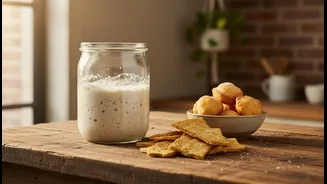
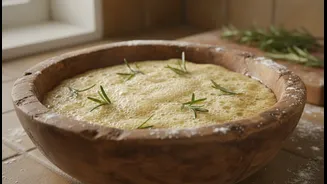
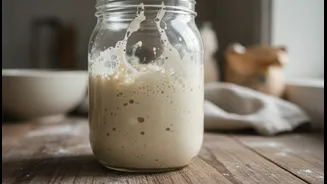
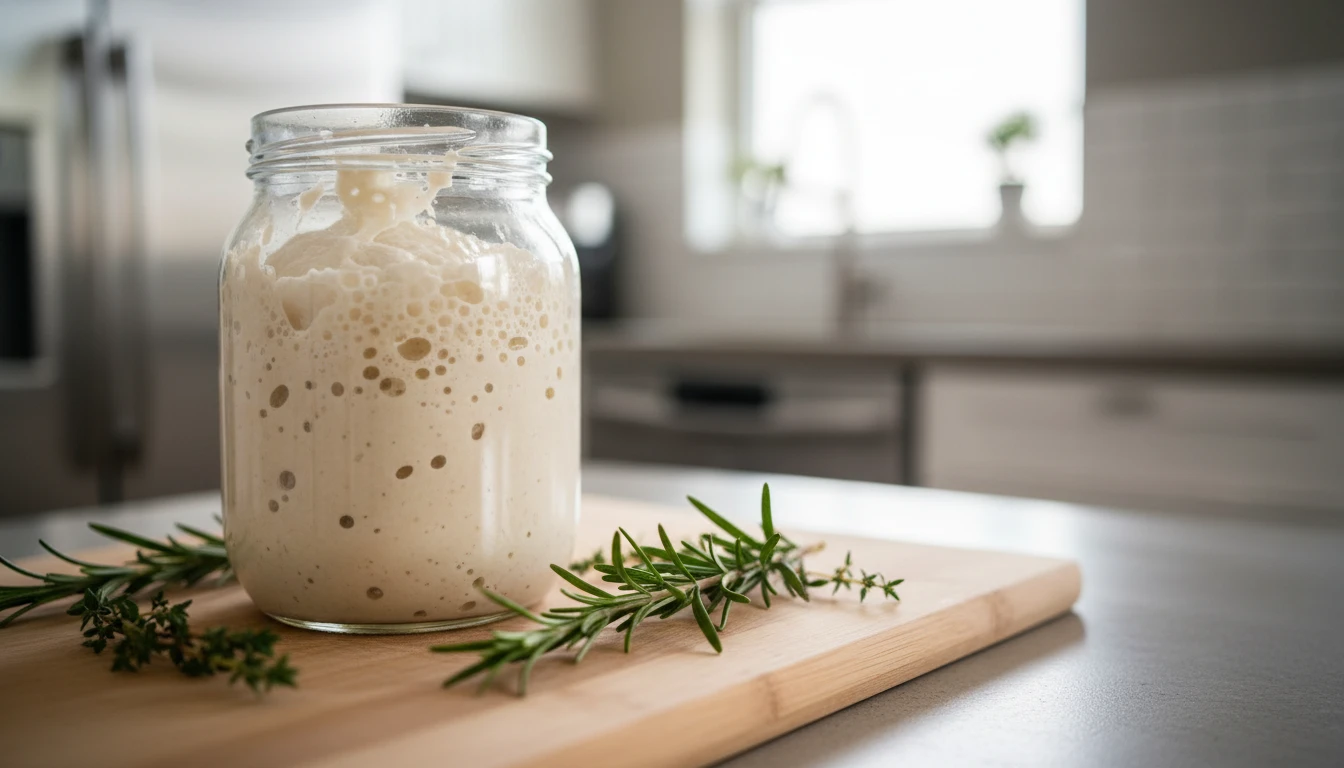
First, let's clarify what 'discard' actually is. When maintaining a sourdough starter, you periodically need to remove a portion before feeding it with fresh flour and water. This removed portion is the discard. Rather than being waste, it’s a fermented,
flavourful mixture of flour and water packed with potential. As long as it hasn't developed mould, it's perfectly safe and incredibly versatile. Urban home bakers are increasingly viewing discard not as a byproduct but as a bonus ingredient, a starting point for countless other recipes that reduce food waste and add a unique tangy flavour to everyday dishes.
More Than a Trend: The Zero-Waste Appeal
For many millennials living in cities, the appeal of using sourdough discard goes beyond just baking. It plugs directly into a broader consciousness around sustainability and reducing food waste. In a world of mindful consumption, throwing away a perfectly good food product every day feels counterintuitive. Integrating discard into daily cooking is a small but tangible way to make a kitchen more efficient and environmentally friendly. It’s a practical application of a zero-waste philosophy that also happens to be delicious, adding complex flavours to simple foods and potentially making them easier to digest. This approach transforms a routine baking chore into a creative and rewarding act.
Your Gateway Recipes: Pancakes and Crackers
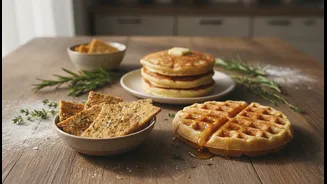
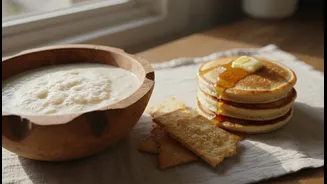
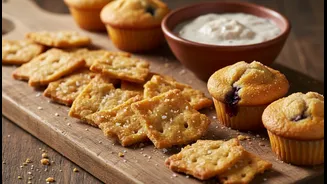
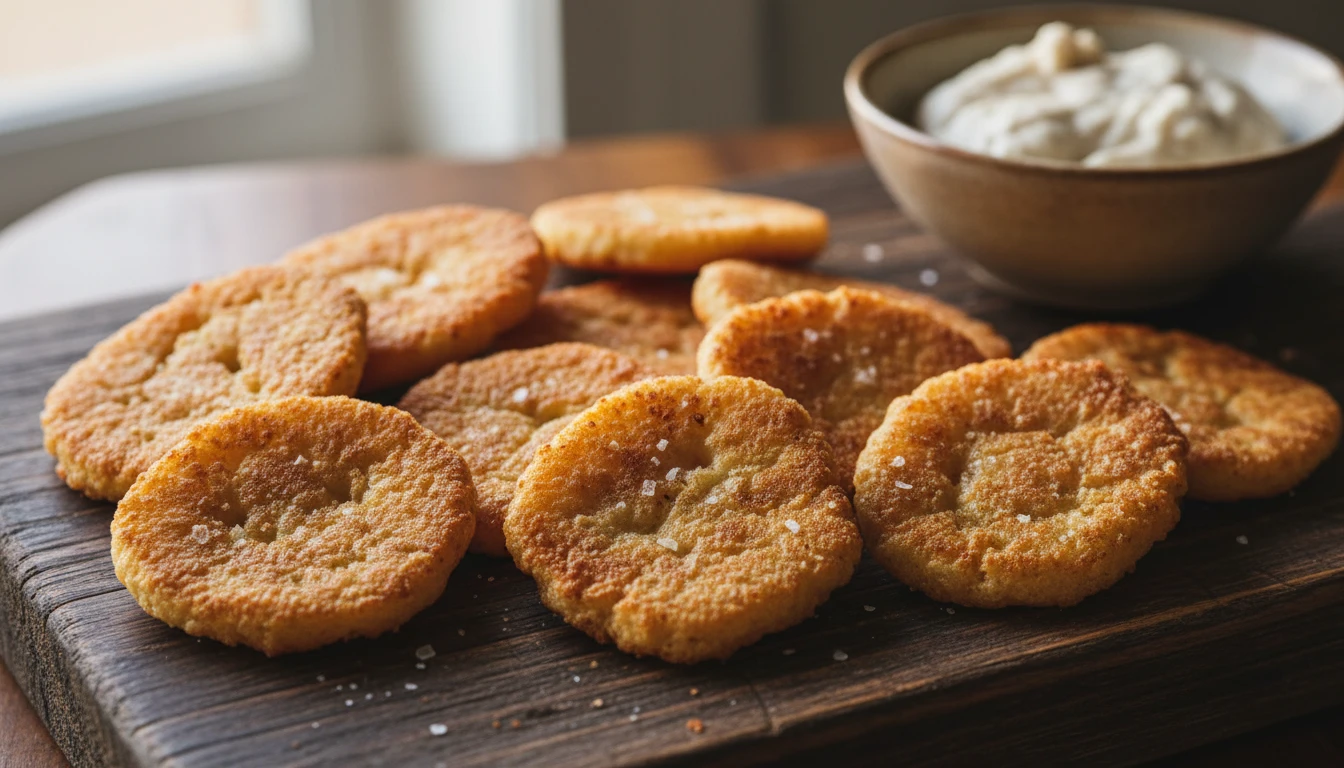
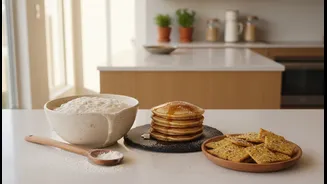
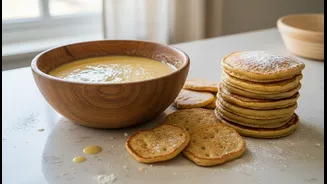
The easiest way to start is with recipes that are quick, forgiving, and require minimal ingredients. Fluffy sourdough discard pancakes are a breakfast game-changer. Many recipes are a simple one-bowl affair: just add the discard to your usual pancake batter ingredients like flour, eggs, milk, and a leavening agent like baking powder. They cook up in minutes and have a delightful, subtle tang. Another fantastic entry point is crackers. Some of the simplest versions require only the discard, melted butter or oil, and seasonings. You spread the mixture thinly on a baking sheet, sprinkle with salt, and bake until crisp. These two recipes alone can use up a significant amount of discard and easily fit into a weekly routine.
Building the Habit: Discard in Your Daily Flow
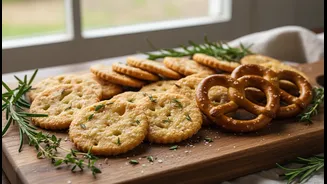
To truly integrate discard into your routine, a little planning helps. Many bakers keep a dedicated, sealed container for discard in the refrigerator. You can simply add to it every time you feed your starter. This collected discard can last for about a week to ten days and is ready to use whenever you need it. Fresher discard has a milder flavour, perfect for sweet items like muffins or banana bread, while older discard develops a more pronounced tang that's excellent for savory applications like pizza dough, pretzels, or flatbreads. By having it on hand, you can spontaneously decide to whip up a batch of pancakes for breakfast or some crackers for an afternoon snack, seamlessly weaving it into your daily culinary life.
Level Up: Creative Discard Cooking
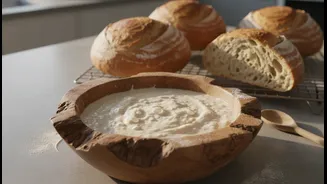
Once you're comfortable with the basics, a whole world of discard cookery opens up. It can be incorporated into everything from pizza and focaccia dough to muffins, scones, and even cakes. Some adventurous cooks use it to make fresh pasta, adding a unique chewiness and flavour. You can even use basic math to adapt your favorite existing recipes by substituting a portion of the flour and liquid with discard. By thinking of discard as a flavourful, fermented batter, you can find uses for it in almost any dish, from thickening sauces to creating richer cookies and brownies. It's a journey that starts with preventing waste and ends with a more creative, flavourful, and sustainable kitchen.