





The Great Shift to 'Inward Wanderlust'
A recent study, the Allianz Partners Global Travel Confidence Index 2026, has put a number on a feeling that has been growing for years. It found that a remarkable 60% of Indian travellers are planning to take their holidays within the country. This figure
is significantly higher than the global average of 42%, making India the leading market for domestic travel intent. This trend, sometimes called 'inward wanderlust', is driven by a desire for value-for-money experiences, cultural exploration, and the convenience of staying closer to home. From spiritual retreats in Rishikesh to the rise of 'drivecations' on newly improved highways, Indians are exploring their own backyard like never before. But there's a catch: while the destination may be closer, the journey often takes much longer than we think.
Why Your Travel Math Is Almost Always Wrong
The fundamental mistake most travellers make is confusing 'travel time' with 'journey time'. A 90-minute flight from Mumbai to Goa is not a 90-minute trip. A 400-kilometre drive that Google Maps estimates at seven hours is rarely completed in that time. We anchor our plans to the most obvious number—the flight duration or the map estimate—and forget the dozens of smaller, time-consuming steps that bookend the main leg of the journey. Real travel is a door-to-door experience. It starts the moment you lock your home and ends only when you drop your bags at your hotel. Failing to account for this entire chain is why a seemingly short trip can consume an entire day, leading to stress, rushed sightseeing, and the feeling of being perpetually behind schedule.
Deconstructing the 'One-Hour' Flight
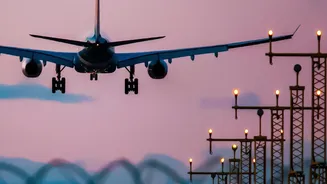
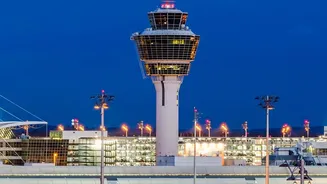
Let’s break down a typical domestic flight. The flight itself might only be 60 to 90 minutes, but the total time investment is staggering. First, there's the journey to the airport, which, in cities like Bengaluru, Mumbai, or Delhi, can easily take 90 minutes during peak hours. Airlines recommend arriving two hours before departure to accommodate check-in, baggage drop, and security screening. Add another 30 minutes for boarding and taxiing on the runway. After you land, you spend about 15-20 minutes deplaning and walking to the baggage claim. Waiting for your luggage can take anywhere from 20 to 45 minutes. Finally, you face another 60-to-90-minute journey from the destination airport to your final stay, often navigating unfamiliar city traffic or expensive taxi situations. Your 'one-hour' flight has realistically blossomed into a five-to-six-hour door-to-door journey.
The Unpredictable Reality of a Road Trip
Drivecations have become incredibly popular, offering flexibility and freedom from airline restrictions. However, road travel in India is filled with variables that digital maps struggle to predict perfectly. While apps like Google Maps and Waze are powerful tools using live traffic data, they can't account for everything. The estimated time often assumes a consistent speed, but a smooth expressway can quickly give way to a congested state highway or a poorly maintained local road. You must factor in time for meal breaks, fuel stops, and the inevitable, unpredictable traffic jams entering or exiting a major city. In many tourist destinations, particularly hill stations, the 'last mile' can be the most time-consuming, navigating narrow roads or dealing with local taxi unions where ride-sharing apps don't operate.
A Smarter Way to Calculate Your Journey
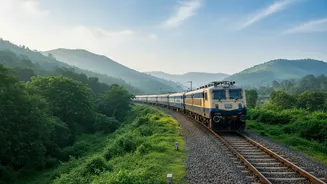
To avoid the stress of a miscalculated timeline, it's time to adopt a more realistic approach to planning. Instead of relying on the advertised travel time, use these simple rules of thumb: For Air Travel: Use the 'Door-to-Door Flight Formula'. Budget a minimum of five hours for any domestic flight. This accounts for two hours of transit to and from airports, and a solid three hours for all airport processes (check-in, security, boarding, deplaning, baggage claim). For Road Trips: Apply the '1.5x Buffer Rule'. Take the travel time estimated by Google Maps and multiply it by 1.5. For a predicted 6-hour drive, budget 9 hours. This buffer gives you a comfortable margin for food stops, traffic snarls, and unexpected delays without feeling rushed. For Train Journeys: Add a 'Two-Hour Cushion'. Add at least one hour to your transit time to the station and another hour as a buffer for potential train delays and navigating the destination city upon arrival. Being early is always better than missing your train or your first holiday experience.