





Instead of Quinoa, Try Amaranth and Millets
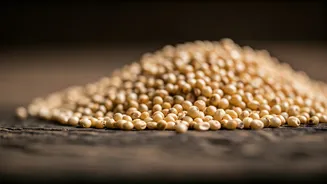
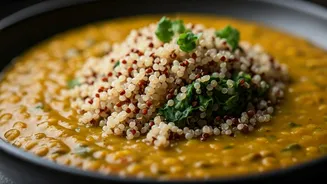
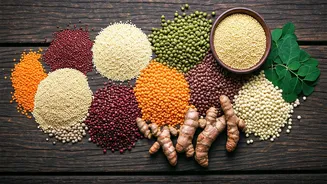
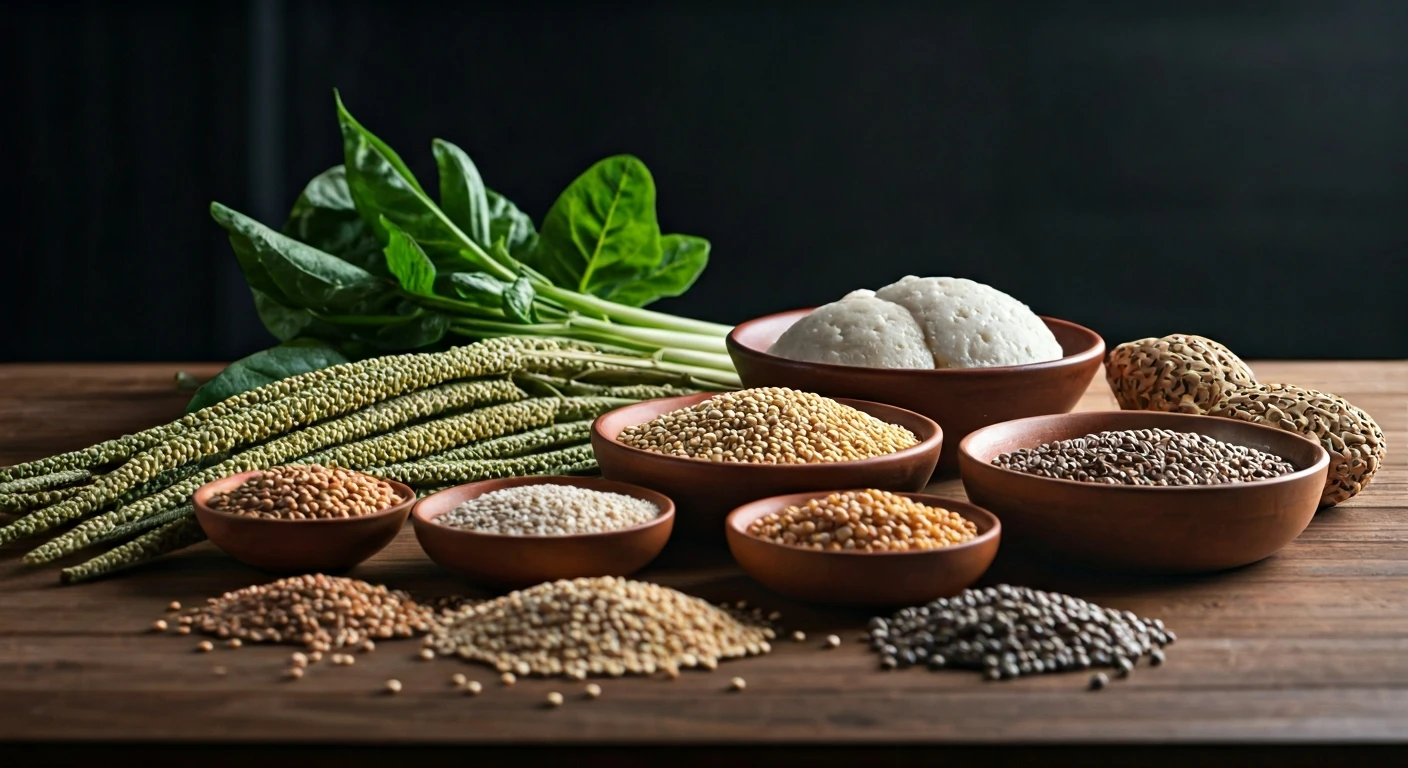
Quinoa has become a global health sensation, prized for being a complete protein. However, India has its own ancient grains that are equally, if not more, impressive. Amaranth, or rajgira, is a powerhouse of nutrition. It contains all nine essential amino
acids, making it a complete protein just like quinoa. Nutritionally, amaranth often has a slight edge, containing more protein, three times more calcium, and nearly twice the iron of quinoa. While quinoa has a lower glycemic index, amaranth is a fantastic, gluten-free option for porridges and flour. Similarly, our diverse family of millets—like ragi, bajra, and foxtail millet—are nutritional giants. They are rich in complex carbohydrates for sustained energy, high in fibre for better digestion, and packed with essential minerals like iron, magnesium, and calcium. They are also gluten-free and have been a staple in Indian diets for centuries, perfectly suited to our climate and bodies.
Instead of Chia Seeds, Choose Sabja Seeds
Chia seeds are famous for their high fibre and omega-3 content. But before chia became a trend, Indian households have long used sabja, or sweet basil seeds. Nutritionally, the two are competitive. Chia seeds are richer in omega-3 fatty acids and protein, making them great for heart health and satiety. However, sabja seeds have their own unique strengths. They are particularly rich in iron and have potent cooling properties, as recognized in Ayurveda, making them perfect for India’s hot climate. Sabja seeds also swell up much faster in water, providing quick hydration and a feeling of fullness that can aid in weight management. Given that they are locally available and significantly more affordable, sabja seeds are a brilliant and practical alternative.
Instead of Kale, Embrace Moringa and Spinach
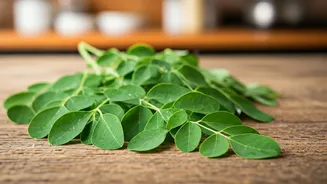
Kale is hailed as the king of greens in the West, but India’s own moringa, or drumstick leaves, is arguably more deserving of the crown. Gram for gram, moringa leaves contain significantly more protein, iron, and calcium than kale. While kale is richer in Vitamin C and K, moringa is a nutritional heavyweight that supports everything from bone health to combating fatigue. It's a true 'miracle tree' native to the region. Don't forget our humble spinach (palak) either. It is packed with vitamins A and K, iron, and calcium, offering a similar nutritional profile to kale but at a fraction of the cost and with year-round availability.
Instead of Goji Berries, Enjoy Amla
Goji berries are marketed as an antioxidant-rich superfruit, but they are often expensive and available only in dehydrated form in India. A far more powerful, accessible, and affordable alternative is the Indian gooseberry, or amla. Amla is one of the most potent sources of Vitamin C on the planet, containing many times more than goji berries. This antioxidant powerhouse has been a cornerstone of Ayurvedic medicine for centuries, known for boosting immunity, improving digestion, and promoting healthy skin and hair. Whether eaten fresh, juiced, or as murabba, amla delivers superior health benefits without the hefty price tag of its imported rival.