







It’s the ultimate dilemma for urban Indian homebuyers: a compact flat in a prime, well-connected area or a spacious home in a developing suburb? This choice defines not just your address but your daily life, finances, and future contentment.
The Daily Commute vs. Lifestyle Proximity
Choosing a
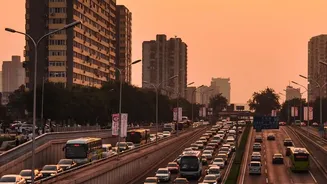
larger home on the outskirts often means accepting a longer, more arduous daily commute. While this was once a deal-breaker, the rise of hybrid and remote work has changed the equation for many. If you only travel to the office a few times a week, the added travel time might be a small price to pay for more living space. However, a central location offers unparalleled convenience. Living in the heart of the city means your favourite restaurants, shopping centres, parks, schools, and hospitals are just a short walk or drive away. This proximity saves time on daily errands and enriches your social life, but it often comes with the trade-offs of more noise and pollution.
The Financial Math: Cost Per Square Foot and Beyond
On paper, the financial choice seems obvious. Suburban properties offer significantly more square footage for the same budget. For instance, in the Mumbai Metropolitan Region, the price difference between a city-limit property and one in a peripheral area can be as high as 70%. However, the total cost of ownership goes beyond the sale price. Centrally located properties often have higher maintenance fees and property taxes. Conversely, suburban living can introduce other expenses. Increased reliance on a personal vehicle leads to higher fuel and maintenance costs, and you might spend more travelling into the city for entertainment and services. It's crucial to calculate the all-in cost, not just the purchase price.
Investment Potential and Resale Value
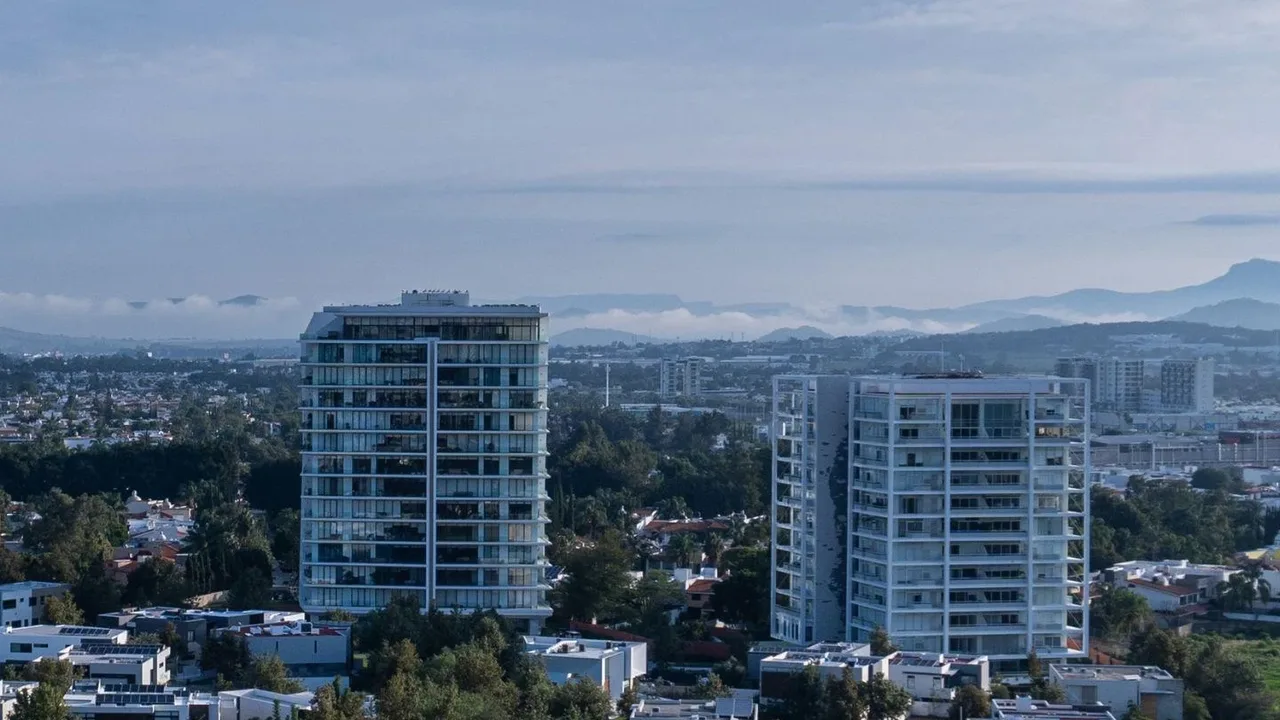
Real estate experts have long said that you can change a home's interiors, but you can't change its location. Properties in prime urban areas have historically shown higher and faster price appreciation due to high demand and land scarcity. They are also easier to rent out or sell. However, this trend is evolving. With rapid infrastructure development, peripheral areas are no longer disconnected outposts. As new metro lines, highways, and commercial hubs emerge in the suburbs, these locations can offer stronger potential for long-term growth. Recent data shows residential prices in some Tier-2 cities and emerging markets are rising faster than in the top metro cities.
The 'Work-From-Home' Revolution
The shift to remote work has fundamentally altered what buyers prioritize. The 'walk_to_work' concept has lost some of its dominance. As homes become offices, gyms, and classrooms, the need for more space—like a dedicated home office or a balcony—has become a major driver of demand. This has fueled a search for larger, more affordable homes in peripheral areas. Developers are responding by creating integrated townships in the suburbs that offer a self_contained lifestyle with schools, shopping, and recreation within the community, reducing the need to travel for daily necessities.
Accommodating Your Life Stage and Future
Your personal situation is perhaps the most critical factor. A young professional might prioritize a vibrant social life and short commute, making a smaller city apartment ideal. A growing family, however, may need extra bedrooms and open spaces for children to play, making a larger suburban home a more practical choice. When making your decision, think about your five-'to-'ten-'year plan. Do you anticipate needing more space for kids? Will you still be at the same job? While no one can predict the future, aligning your property choice with your long-'term life goals is essential for lasting satisfaction.