





The Anatomy of Weekend Burnout
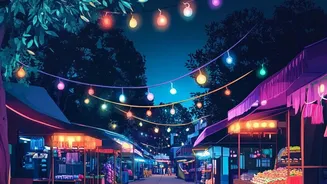
It’s a familiar cycle for many. The work week ends, and a calendar packed with social obligations begins: a Friday night dinner, a Saturday brunch, a family function in the afternoon, and a friend's party in the evening, followed by a Sunday get-together.
While each event is enjoyable on its own, stacking them together can turn your precious downtime into a marathon of social performances. This phenomenon is often called social burnout or social exhaustion. It's the feeling of being mentally and emotionally depleted from too much stimulation without enough rest. When leisure time starts to feel like work—rigidly scheduled and rushed—it loses its restorative power. Instead of feeling rejuvenated, you might start Monday feeling more drained than you did on Friday, with symptoms like irritability and a general annoyance with socialization.
Your Brain on Downtime
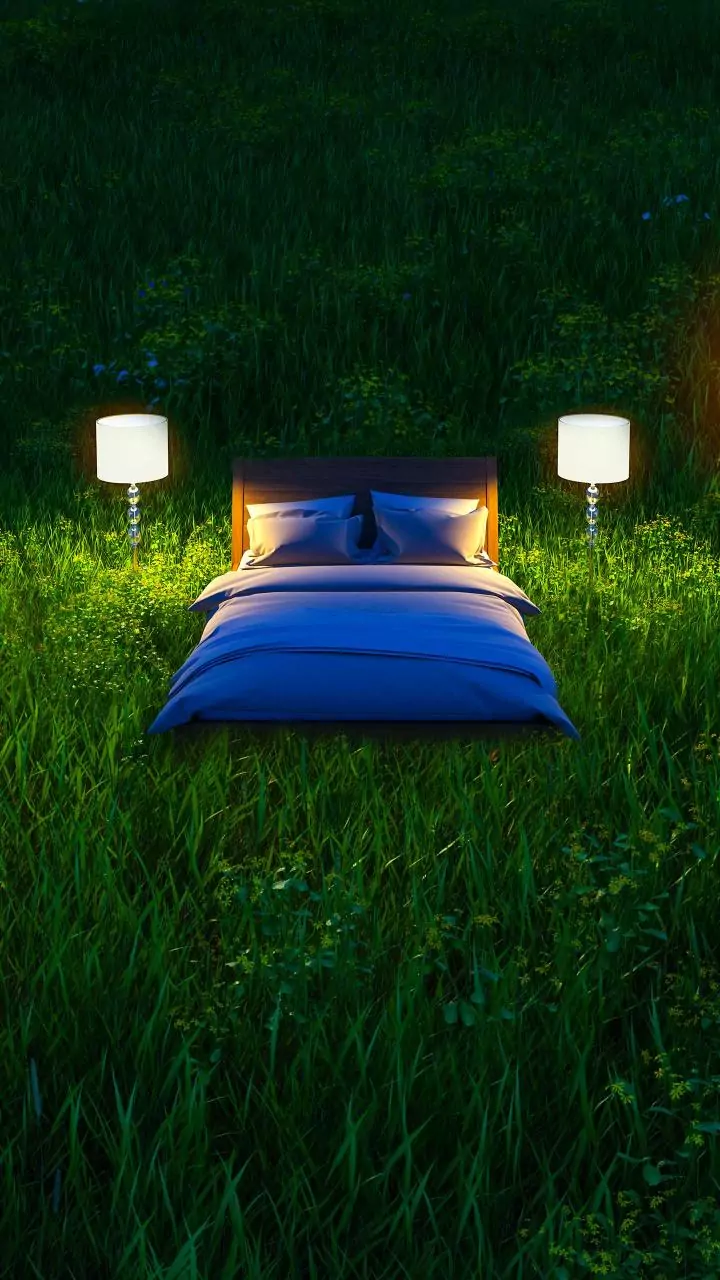
There's a strong psychological reason why unscheduled time is so crucial for well-being. Our brains need breaks to recover and function optimally. Constantly being 'on,' moving from one planned activity to another, contributes to decision fatigue and mental clutter. Unstructured time allows your prefrontal cortex, the part of your brain responsible for focus and executive function, to truly disengage. This period of idleness isn't laziness; it's a vital process that helps consolidate memories, sparks creativity, and reduces stress. Without adequate downtime, we become more susceptible to burnout and exhaustion. By stepping away from goal-oriented activities, even fun ones, you create the mental space needed for new ideas and genuine relaxation.
Embracing the 'Light Weekend' Philosophy
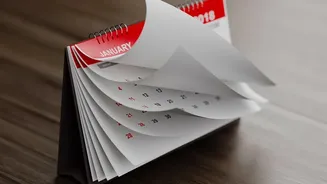
The solution isn't to become a recluse, but to be more intentional. This is where the 'light weekend' comes in. The concept is simple: alternate your weekends. Dedicate one weekend to being more social and active, and reserve the next for rest, spontaneity, and personal projects. Think of it as a rhythm of socialising and recharging. This approach prevents the relentless pace that leads to burnout and ensures you have dedicated time for both your friends and yourself. Planning which weekends will be 'heavy' and which will be 'light' can be a powerful tool for managing your social battery. It provides structure without the rigidity that can make leisure feel like a chore. This balance helps you show up as your best self when you do socialize, making those interactions more meaningful.
Trading FOMO for JOMO
One of the biggest hurdles to adopting a lighter schedule is the Fear of Missing Out (FOMO). This anxiety, often amplified by social media, makes us feel that others are having more rewarding experiences. However, the antidote to FOMO is JOMO—the Joy of Missing Out. JOMO is the contentment that comes from intentionally choosing to skip something to make space for yourself. It’s a shift from feeling anxious about what you’re not doing to feeling satisfied with your deliberate choice to rest, read a book, or do absolutely nothing. A light weekend is a perfect opportunity to cultivate JOMO. It’s not about absence or loss, but about the gain of personal time, peace, and the freedom from social pressure. Embracing JOMO can lead to reduced anxiety, better self-esteem, and a greater appreciation for the present moment.
Making Your Light Weekend Work
Putting this idea into practice requires a little planning and communication. First, decide what a 'light' weekend looks like for you. It might mean no plans at all, or perhaps just one low-key activity like a walk or coffee with a close friend. It's important to set boundaries. Learn to politely decline invitations by explaining you're taking a weekend to recharge. Most people will understand. To avoid feeling overwhelmed, try to schedule only a few meaningful, enjoyable activities on your 'social' weekends, rather than trying to do everything. Ultimately, the goal is to create a sustainable social life where you have the energy to truly connect with others and the quiet time to connect with yourself. It's about finding a rhythm that works for you, ensuring your weekends leave you feeling refreshed and ready for the week ahead.