



From Deprivation to Enrichment
The classic wellness retreat operated on a model of deprivation. It was about what you could remove from your life: calories, stress, caffeine, screen time. The goal was to return home lighter, tighter, and temporarily purified. These spa-centric holidays,
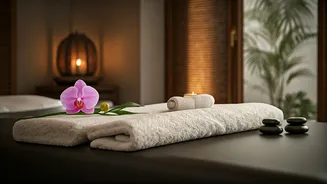
often found in luxurious, isolated settings, offered a prescriptive path to health that focused almost exclusively on the body. While effective for a short-term reboot, this approach is beginning to feel outdated to a new generation of travellers.
A Search for Deeper Meaning
The shift away from the 'boot camp' model of wellness is driven by a profound cultural change. In a post-pandemic world, travellers are less interested in simply escaping and more focused on healing and connecting. The new wellness is holistic, acknowledging that mental, emotional, and spiritual health are just as crucial as physical fitness. People are no longer content with a temporary fix; they are seeking lasting transformation, tools to manage anxiety, and a genuine sense of purpose. This has opened the door for travel experiences that engage the mind and soul, not just the abs.
Healing the Mind, Not Just the Body
One of the biggest new frontiers is emotional and mental wellness. Instead of just massages, resorts are now offering everything from guided meditation and breathwork sessions to more intensive therapeutic experiences. So-called 'grief retreats' provide a safe space for processing loss, while others focus on 'shadow work' to confront deep-seated personal challenges. Activities like sound baths, where participants are immersed in resonant frequencies from gongs and crystal bowls, have gone from niche oddity to a mainstream offering at hotels across the world, from the Himalayas to the backwaters of Kerala. The goal is no longer just relaxation, but emotional release and psychological resilience.
Finding Wellness in the Wild
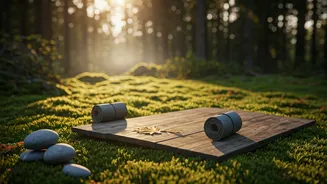
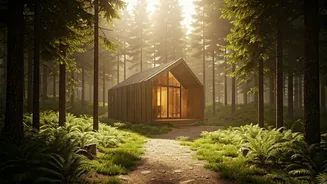
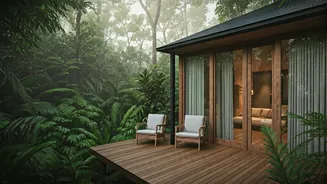
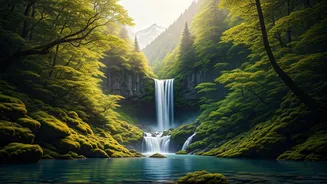
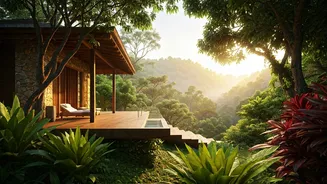
Another powerful trend is the move towards nature as the ultimate healer. This goes far beyond a simple hike. The Japanese practice of 'shinrin-yoku' or 'forest bathing'—a slow, mindful walk through the woods—is now a guided activity at retreats globally. Travellers are seeking out 'wild swimming' in cold lakes and rivers for its invigorating mental health benefits, and 'grounding' or 'earthing' workshops that encourage direct skin contact with the natural world. These experiences are rooted in the concept of biophilia—our innate human need to connect with nature. The new wellness resort might be a remote cabin with no Wi-Fi, where the main activities are stargazing and foraging.
The Rise of Purpose-Driven Journeys
Wellness is also becoming intertwined with purpose and connection. This includes ancestral travel, where people visit their homelands to connect with their roots, and spiritual pilgrimages that offer more than just sightseeing. Think less of a tour and more of a deeply personal quest. Furthermore, there's a growing interest in skill-based wellness. This could mean a trip to learn a traditional craft like pottery or weaving, which provides a meditative focus and a tangible sense of accomplishment. Some trips even incorporate a 'give-back' component, like participating in a local conservation project, blending personal well-being with planetary health. This redefines a 'getaway' as an opportunity to add something meaningful to your life and the world, rather than just taking a break from it.