

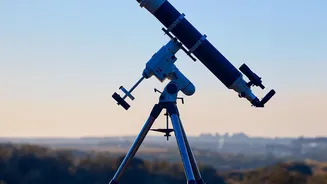

Setting Up Your Urban Observatory
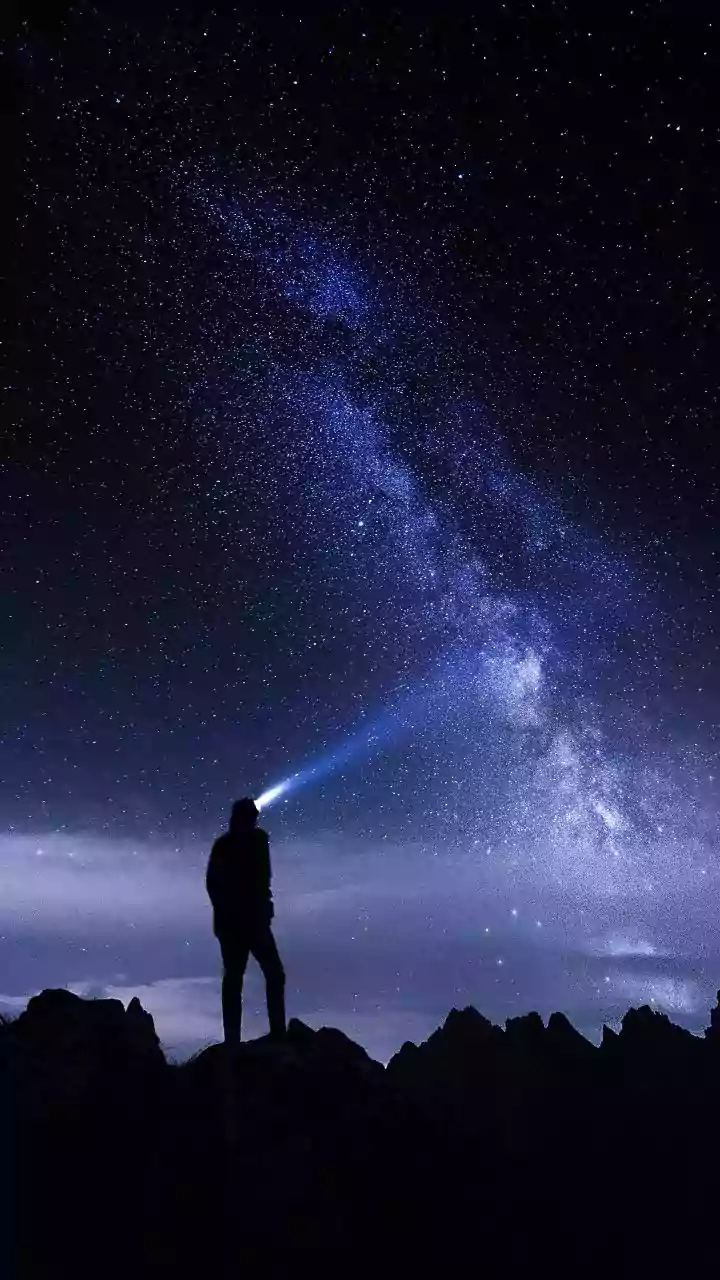
Stargazing from a city or suburban balcony presents a key challenge: light pollution. But you can create your own pocket of darkness. Turn off all the lights on your balcony and in the adjacent room. If possible, hang a dark sheet or use a moveable screen
to block ambient light from streetlamps or neighbours. Give your eyes at least 15-20 minutes to adjust to the dark; you'll be surprised by how many more stars become visible. A comfortable reclining chair will save your neck, and a pair of basic binoculars can dramatically enhance your view of the Moon and brighter star clusters, making them a great first step before considering a telescope.
Early October: The Draconid Meteor Shower
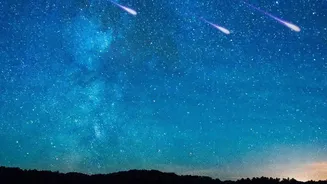
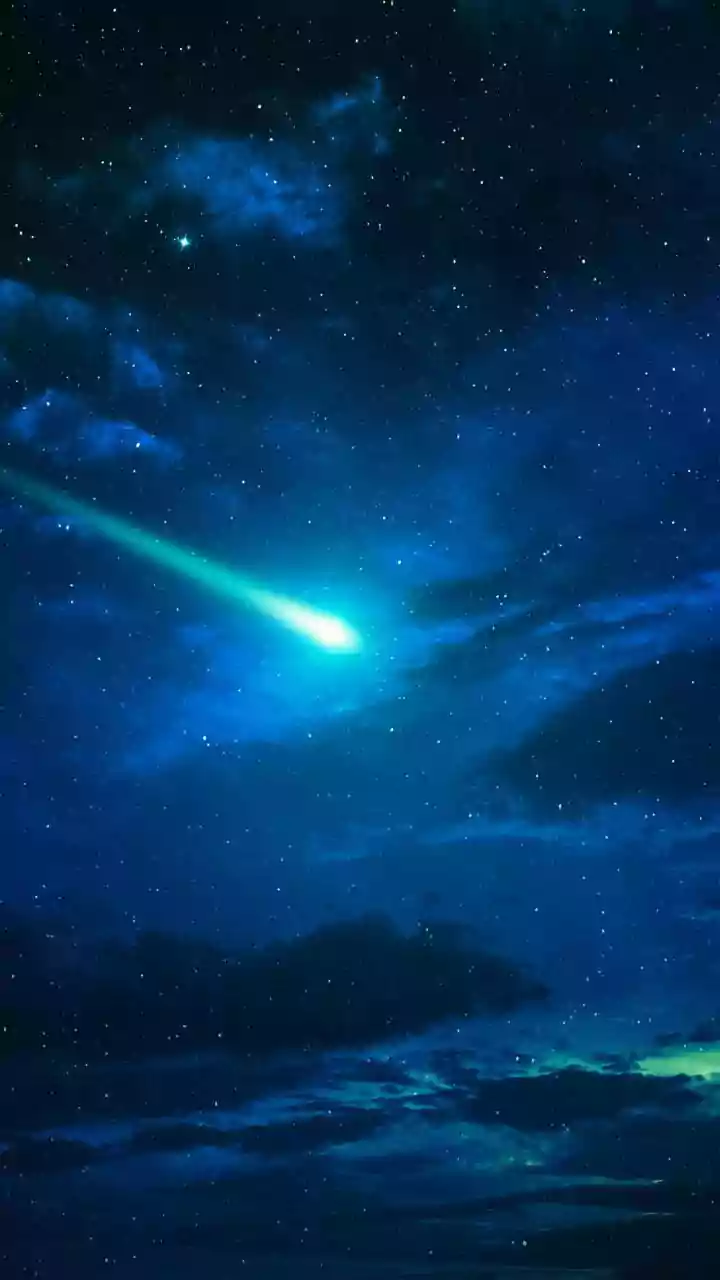
October kicks off with the Draconid meteor shower, which is active from October 6-10. This shower is unusual because it's best viewed in the evening, just after full darkness falls, rather than in the pre-dawn hours. For 2026, the peak is expected on the night of October 8-9. The best news for city dwellers is that viewing conditions will be excellent, as the New Moon on October 10 ensures a dark, moonless sky. While the Draconids are typically a modest shower, producing about 5 to 10 slow-moving meteors per hour, they have been known to produce unexpected outbursts. Find the constellation Draco in the northern sky, but remember that meteors can appear anywhere.
Mid-Month Spectacle: The Orionid Meteor Shower
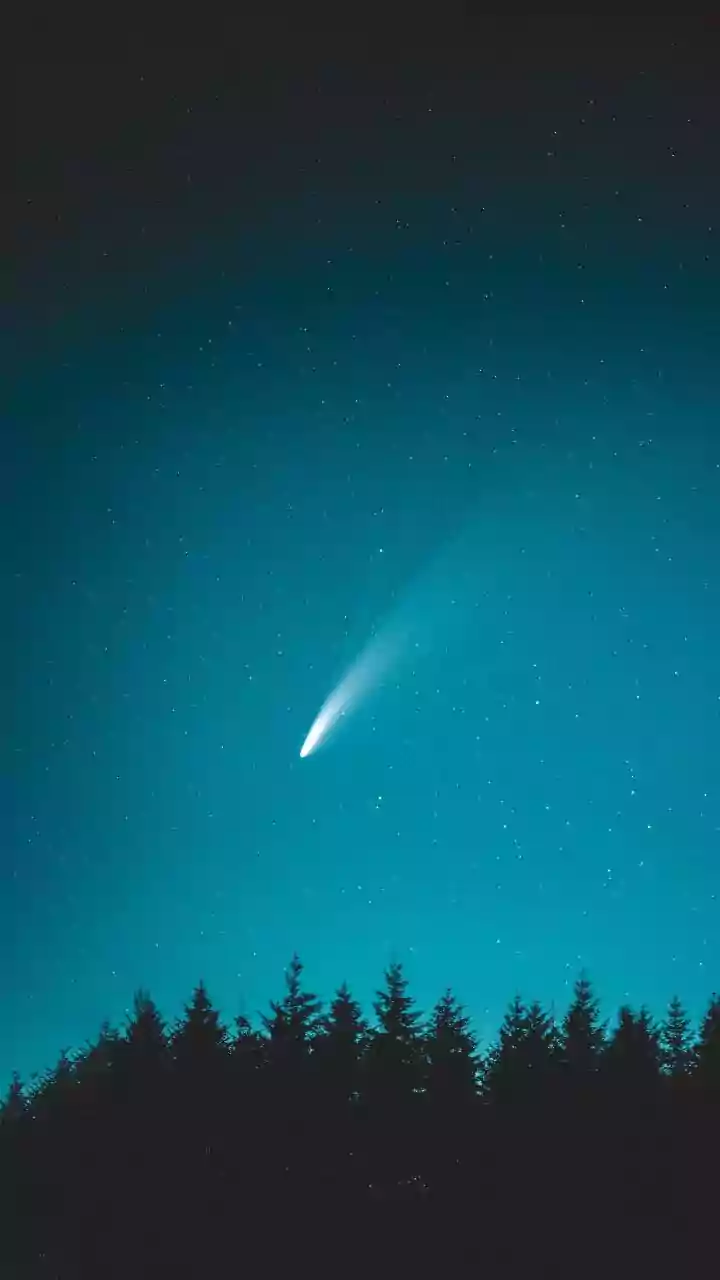
Often considered one of the most beautiful showers of the year, the Orionids grace our skies from early October to early November. They are known for their speed and can leave glowing trails behind them. This shower is debris left by the famous Halley's Comet. The peak for 2026 is the night of October 21-22, when you might see up to 20 meteors per hour under ideal conditions. The best time to watch will be in the dark hours before dawn, especially after the bright moon sets. Look toward the constellation Orion, but keep your gaze wide to catch meteors streaking across the entire sky.
Late October: The Full Hunter's Moon
October's full moon, traditionally known as the Hunter's Moon, will reach its peak illumination on the morning of October 26, 2026. The best time for most people to watch it, however, will be the evening before, on Sunday, October 25, as it rises in the east around sunset. This is when you can witness the "Moon Illusion," a trick of the brain that makes the moon appear enormous and vividly orange or yellow when it's near the horizon. The name comes from the time when hunters used the bright moonlight to spot game in the recently harvested fields. Unlike meteor showers, a full moon is an easy target from any balcony, offering a bright and beautiful sight without any special equipment.
Helpful Tools for Your Pocket
To help you navigate the night sky, consider using a stargazing app on your smartphone. Apps like Sky Tonight, Star Walk, or Stellarium use your phone's GPS and compass to show you exactly what stars, planets, and constellations are above you in real-time. Just point your phone at the sky, and the app will identify what you're seeing. Many apps have a red-light mode, which helps preserve your night vision while you search for celestial targets. This can be an invaluable tool for beginners trying to distinguish planets from stars or locate the radiant point of a meteor shower.