






The Great Coffee Upgrade
A significant cultural shift is underway in India, a nation historically known for both its tea consumption and its reliance on instant coffee for a quick caffeine fix. Consumers, particularly millennials and Gen Z, are increasingly looking beyond convenience
and seeking quality, authenticity, and a story behind their purchases. This trend, which has transformed industries from craft beer to artisanal cheese, has now firmly taken root in the coffee world. Driven by rising disposable incomes, urbanization, and a burgeoning café culture, coffee is evolving from a simple morning ritual into a sophisticated hobby. The growth of specialty coffee chains like Blue Tokai and Third Wave Coffee across major cities has played a huge role, educating a new generation of drinkers about what coffee can be.
What Exactly Is Single-Origin Coffee?
The term “single-origin” simply means that the coffee beans are sourced from one specific geographical location. This could be a single country, a particular region, or even a single farm or estate. Think of it like wine, where the 'terroir'—the soil, climate, and altitude—imparts a unique character to the grapes. In coffee, this means the distinct flavour profile of a specific place is preserved. Unlike blends, which are mixed to create a consistent, balanced flavour year-round, single-origin coffees celebrate the unique and seasonal notes of their birthplace. This philosophy is central to the "third wave" coffee movement, which treats coffee as an artisanal food product rather than a mere commodity.
A Flavour Tour of India's Coffee Lands
For decades, India has been one of the world's top coffee producers, yet most of its best beans were exported. Now, domestic roasters are showcasing the incredible diversity grown in our own backyard. Almost all Indian coffee is shade-grown, often alongside spices like pepper and cardamom, which contributes to its characteristically smooth and complex flavour. Key regions offer distinct tasting experiences: Chikmagalur, Karnataka: Considered the birthplace of Indian coffee, beans from here are known for being balanced and mild, with classic notes of chocolate and a gentle sweetness. Its higher-altitude estates can produce clean, bright cups with floral and citrus hints. Coorg (Kodagu), Karnataka: As India’s largest coffee-producing district, Coorg delivers coffees that are often full-bodied with notes of spice and chocolate, making them excellent for espresso and milk-based drinks. Araku Valley, Andhra Pradesh: A truly unique region in the Eastern Ghats where coffee is grown by Adivasi tribal cooperatives. Araku coffee is celebrated for being organic, bright, and often revealing fruity or floral notes.
More Than a Beverage, It's an Experience
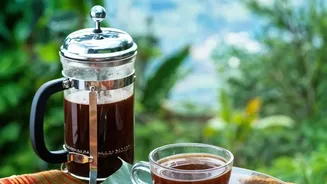
The move toward single-origin coffee is about more than just taste; it’s about a richer experience. It involves the ritual of brewing, whether using a simple French press or a more intricate pour-over. It’s about knowing the story of your coffee—connecting with the farmers and the specific estate where the beans were grown and processed. This appreciation for craftsmanship and traceability reflects a broader consumer desire for authenticity and mindful consumption. Roasters now actively provide details about the farm, the bean variety, and the specific flavour notes to expect, turning each cup into a journey of discovery.
How to Start Your Single-Origin Journey
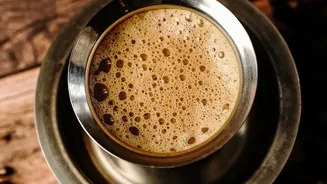
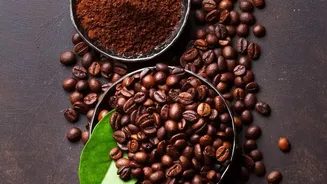
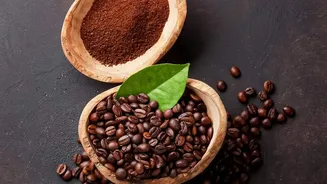
Making the switch from instant to single-origin coffee can feel daunting, but it doesn't have to be. Start by visiting a local specialty café and talking to the barista, or explore the websites of Indian roasters who ship freshly roasted beans nationwide. You don't need expensive equipment; a simple French press, Moka pot, or even a traditional South Indian filter can brew a delicious cup. The most important step is to buy whole beans and grind them just before brewing to preserve their flavour and aroma. Look for the “roast date” on the package and try to use the beans within a few weeks for the best taste. Exploring coffees from different regions, like a nutty profile from Chikmagalur followed by a fruity one from Araku, is the best way to find what you love.