



The Monsoon Advantage: Nature’s Helping Hand
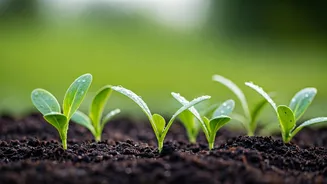
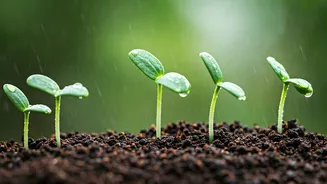
For a beginner, the most intimidating part of gardening is often the watering schedule. Did I water too much? Too little? The monsoon season effectively takes this pressure off. The consistent moisture in the air and soil means your plants get a steady
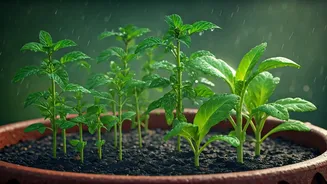
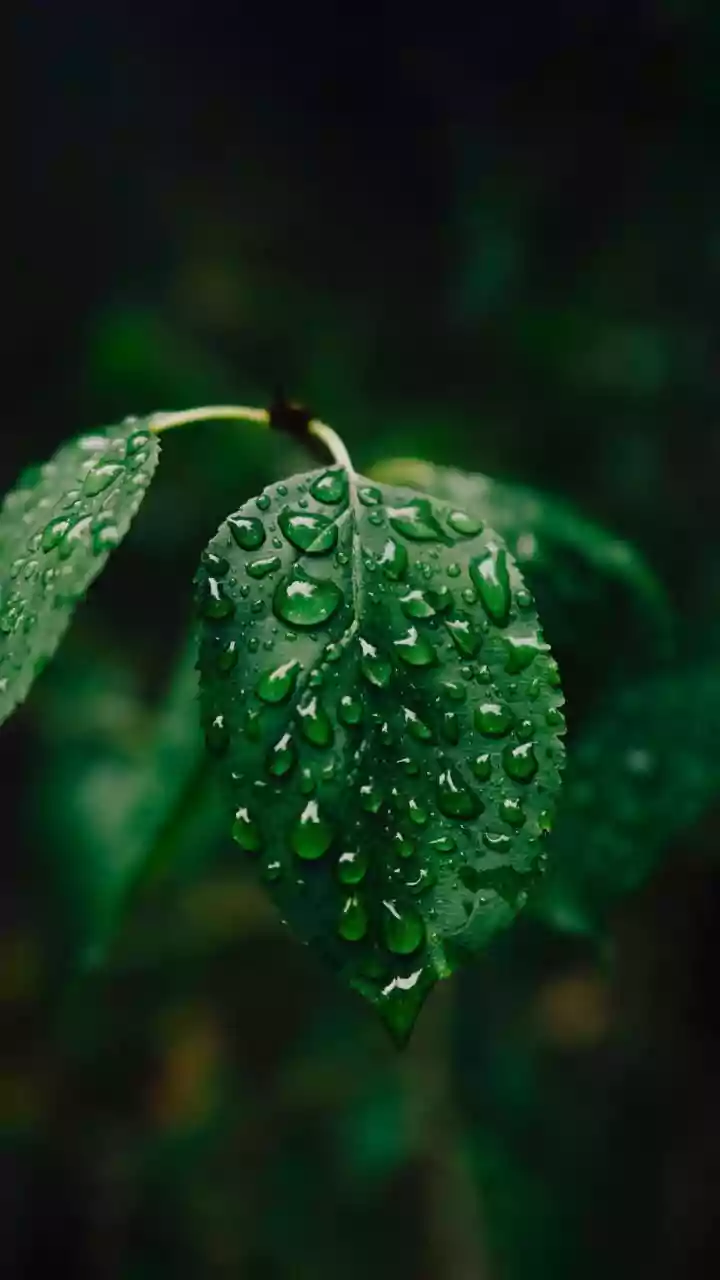
supply of water, creating a forgiving environment for first-time plant parents. The cooler temperatures also reduce the stress on young saplings, which can struggle under the harsh summer sun. Furthermore, the high humidity helps leaves stay lush and green, giving you a visual reward much faster. It's like having a free, automated irrigation system that encourages strong root development.
Setting the Stage: Soil and Drainage
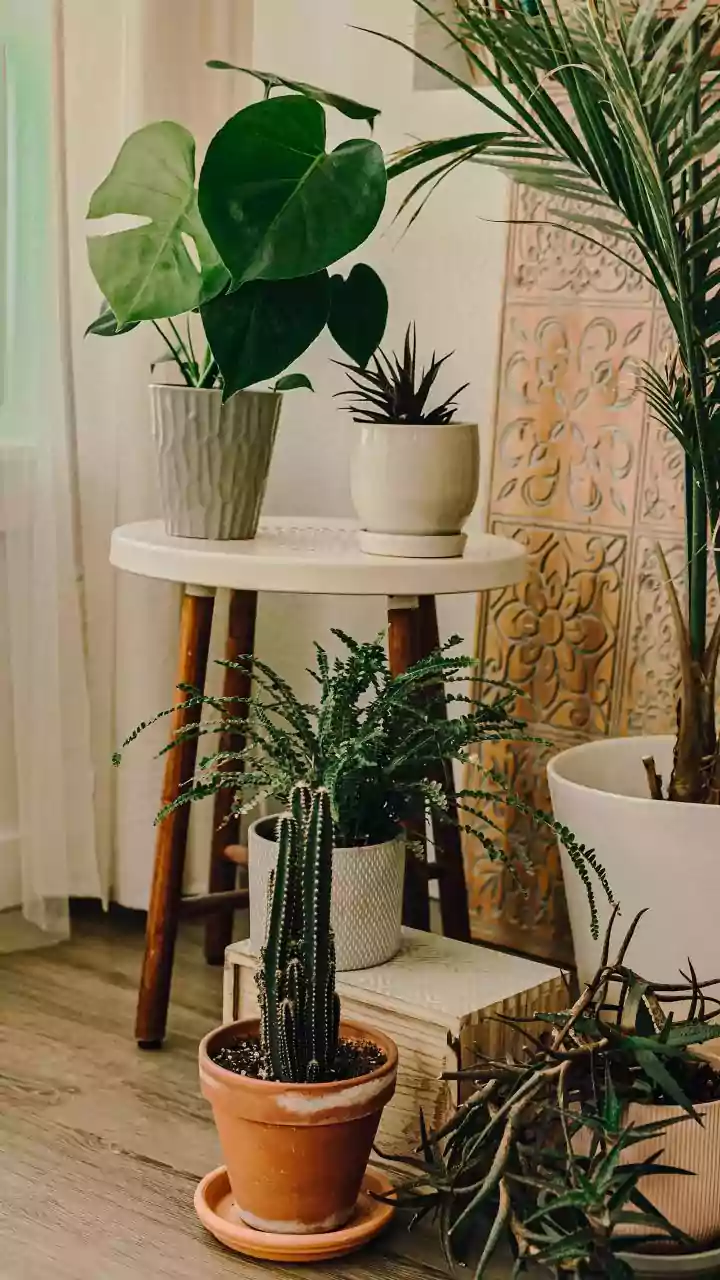
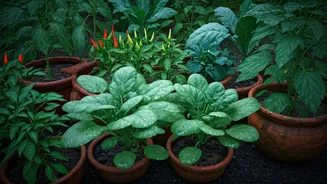
Success in a monsoon garden starts with the right foundation. The biggest threat during this season isn't a lack of water, but an excess of it. Waterlogged soil can lead to root rot, which is fatal for most plants. To prevent this, your potting mix needs to be light and well-draining. A good mix for containers is one part soil, one part compost (like vermicompost), and one part cocopeat or sand. This ensures the mixture retains moisture without becoming a swamp. Also, check that every pot has at least one drainage hole at the bottom. If you're planting in the ground, consider creating raised beds to lift the roots above the soggiest soil.
Easy Vegetables for Your First Harvest
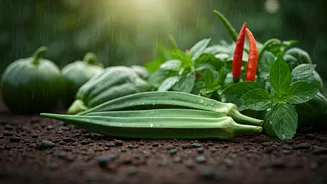
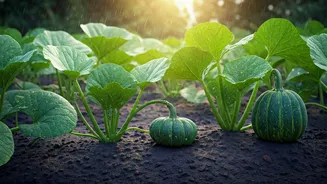
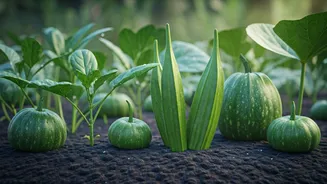
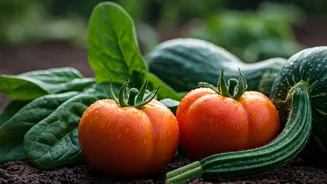
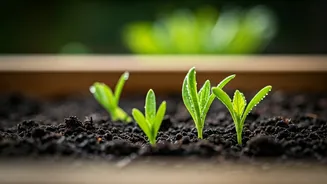
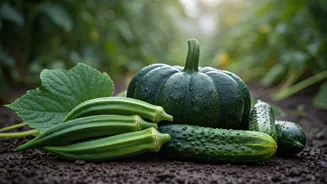
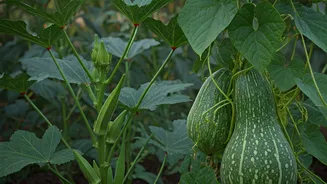
The monsoon is the prime growing season for many of India's favourite vegetables. Their seeds are primed to germinate in these conditions. As a beginner, start with these hardy choices: * Bhindi (Okra): This plant loves the monsoon climate. Sow the seeds directly into a pot or garden bed, and you'll see sprouts in a week. They grow fast and produce prolifically. * Gourds (Lauki, Turai): Bottle gourd and ridge gourd are climbers that thrive in the rain. Give them a little support to climb on, and they'll reward you with fresh vegetables for your curries. * Leafy Greens: Amaranth (chaulai) and certain varieties of spinach (palak) grow vigorously during this time. You can harvest the leaves multiple times from the same plant.
Flowers that Flourish in the Rain
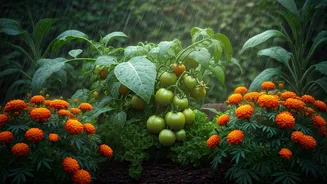
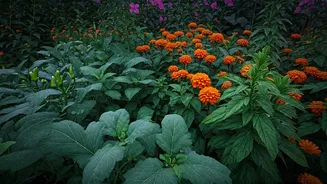
A garden isn't just about food; it's about beauty. Many flowering plants put on their best show during the monsoons. Brighten up your balcony or yard with these rain-loving blooms: * Marigold (Genda): These cheerful orange and yellow flowers are incredibly easy to grow from seed and are naturally pest-repellent. They add a splash of sunshine to even the greyest day. * Balsam (Gulmehendi): Often called the 'monsoon flower', balsam thrives in damp conditions and produces beautiful flowers in shades of pink, purple, and white directly on its stem. * Zinnia: Known for their vibrant, daisy-like flowers, zinnias are fast-growing and bloom profusely. They attract butterflies and add a burst of colour to any space.
Common Monsoon Pitfalls to Avoid
While the monsoon is forgiving, it's not entirely foolproof. Keep an eye out for a few common issues. First, ensure good air circulation around your plants by not overcrowding them; this helps prevent fungal diseases, which thrive in damp conditions. If you see white powdery spots on leaves, it could be powdery mildew. Second, watch out for pests like slugs and snails, who love the damp weather. A simple check in the morning can help you manually remove them. Finally, even though it’s raining, a plant under a covered balcony might still need watering. Always check the top inch of the soil—if it's dry, it's time to water.