








The Reality of Monsoon Travel
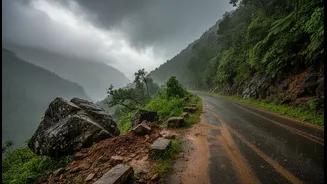
Spontaneity is wonderful, but the monsoon season demands a level of respect. Heavy rains can lead to a host of disruptions that are not just possible, but probable. Hilly regions in states like Himachal Pradesh and Uttarakhand become vulnerable to landslides,
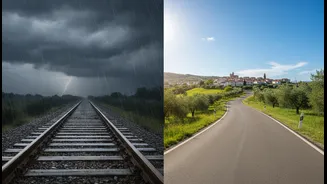
which can shut down major roads for hours or even days. In cities and coastal areas, severe waterlogging can bring local transport to a grinding halt. Meanwhile, at the airports, heavy rain, low visibility, and strong winds frequently cause flight delays, diversions, and cancellations. Airlines regularly issue travel advisories during this period, urging passengers to check their flight status before heading to the airport. Rail networks are not immune either, with tracks becoming flooded or blocked by landslides, leading to train cancellations and diversions on busy routes like the Mumbai-Pune corridor.
Your Pre-Booking Strategy
A good backup plan starts before you even book your trip. The first step is to choose your destination wisely. Some regions, such as parts of Rajasthan or high-altitude areas like Ladakh, fall in a rain shadow and receive far less rainfall, making them safer bets. In contrast, the Western Ghats and the Northeast, while stunning, are known for intense downpours. When booking flights and hotels, prioritise flexibility. Many airlines and booking platforms now offer flexible fares that allow you to cancel or reschedule without hefty penalties. While these might cost a little more upfront, they provide invaluable peace of mind, allowing you to change your plans if your primary route becomes impassable.
Building a 'Plan B' Itinerary
Having a backup is more than just cancellable tickets; it's about having an alternative adventure ready. If you're planning a road trip to a specific hill station, identify one or two other destinations that are more accessible or in a region with a better weather forecast. For example, if roads to your chosen destination in the Himalayas are blocked, having a plan to explore the lower hills or a nearby city can save your holiday. Research accommodation and transport for your alternate location in advance so you can pivot quickly if needed. This doesn't mean your trip will be less exciting; it just means you are prepared for the monsoon's whims.
The Role of Travel Insurance
While not mandatory for domestic travel in India, travel insurance is highly recommended during the monsoon. A good policy can be a financial lifesaver if things go wrong. Look for comprehensive plans that offer coverage for trip cancellations, interruptions, and delays due to weather. This can help you recover non-refundable expenses for flights and hotels. Many policies also cover expenses related to baggage delays or loss and, crucially, medical emergencies. The monsoon season sees a spike in water-borne and mosquito-borne diseases like dengue, malaria, and typhoid, so having medical coverage is a sensible precaution.
On-the-Go Preparedness
Once your journey begins, stay informed. Keep a constant eye on weather apps and local news for alerts about road conditions, especially before long drives. Always keep your devices fully charged and carry a power bank, as power cuts can be frequent. Your packing list should also reflect the season: include waterproof bags for electronics, quick-drying clothes, appropriate non-slip footwear, and a basic medical kit. Having a list of emergency contacts, including your hotel and local transport providers, is also a smart move. Being prepared for small inconveniences prevents them from escalating into major problems.