





The New Co-Writer in the Room
For regional scriptwriters across India, the pressure to deliver compelling stories that can travel across linguistic markets is immense. The rise of OTT platforms has created a national audience, but the creative process can be slowed by the need for translation,
adaptation, and cultural localization. Enter smart AI tools. Far from the generic chatbots of a few years ago, today's AI writing assistants are sophisticated platforms that can assist in everything from brainstorming plot points to drafting dialogue. Tools like Sudowrite, Jasper, and specialized platforms such as Mugafi, which is tailored for the Indian market, are becoming instrumental. They are designed to understand narrative structure, character development, and even genre conventions, acting as a tireless creative partner that helps writers get from a blank page to a first draft with unprecedented speed.
Breaking Down the Language Barrier
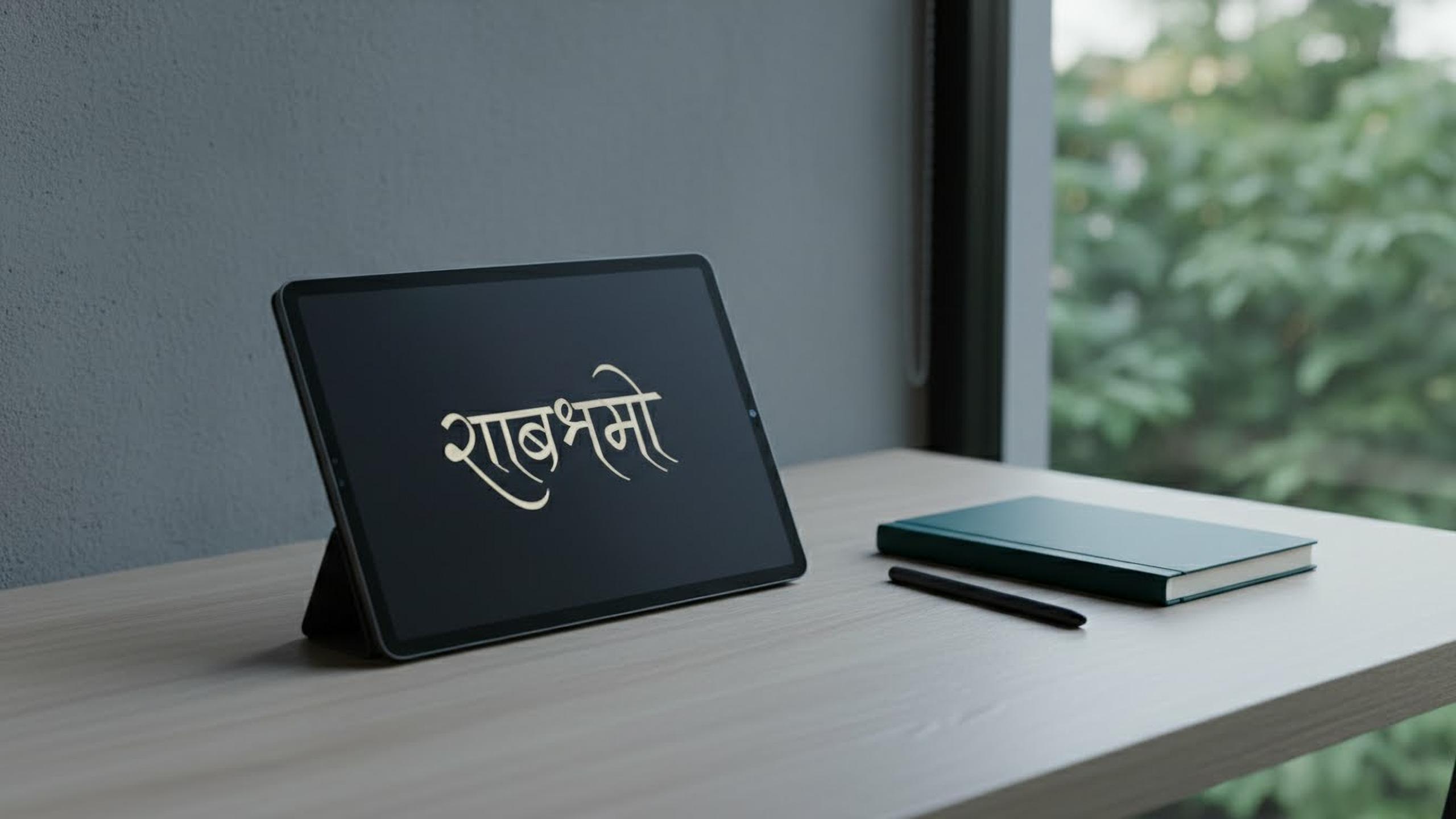
Perhaps the most significant impact of AI for India's regional writers is its ability to handle multilingual tasks. A writer in Tamil Nadu can now draft a scene and instantly see how it might play out in Hindi or Bengali. While direct machine translation has existed for years, modern AI tools go further, helping to maintain the nuance and cultural context that is often lost. Some platforms are being specifically trained on Indian cinematic and cultural data to better understand regional storytelling patterns. This allows a writer to ask the AI to rephrase dialogue to be more formal for a particular character, or more colloquial for another, across different languages. This capability is revolutionary, making it easier to create scripts that feel authentic in multiple linguistic settings and expanding a story's potential market from the outset.
The Art of the Smart Prompt
The key to unlocking AI's potential lies in the writer's ability to craft a 'smart prompt'. A simple command like "write a scene about a detective" will yield generic results. A smart prompt, however, provides layers of context, instruction, and constraint. For example, a writer might ask: "You are a seasoned noir detective fiction writer. Write a 150-word scene opening set in the crowded bylanes of modern-day Hyderabad. The mood is tense and rain is imminent. Introduce a cynical detective who is meeting an informant for the first time. The dialogue should be short and clipped." This level of detail guides the AI to produce a far more specific and useful output. The process becomes iterative, with the writer refining the AI's suggestions, adding their own voice, and using the tool to explore creative possibilities rather than just generate text.
Accelerating the Entire Pre-Production Pipeline
The benefits of AI extend beyond just writing the script. These tools are increasingly used to speed up the entire pre-production process, which is often a bottleneck in filmmaking. Once a script is taking shape, a writer can use AI to generate a logline, a one-page synopsis, or even a full treatment to pitch to producers. This drastically reduces the time spent on creating essential pitch materials. Furthermore, some tools can help break down a script into a preliminary shooting schedule or create visual storyboards, giving directors and producers a clearer vision of the project early on. This efficiency allows creative teams to focus their energy on refining the story and performances, rather than getting bogged down in administrative tasks.
The Human Element Remains Irreplaceable
Despite the rapid advancements, there's a clear consensus among industry professionals: AI is a tool, not the author. Its role is to augment human creativity, not replace it. The AI can generate options, check for plot holes, and streamline tedious tasks, but the final story, the emotional core, and the unique artistic voice must come from the writer. Some literary agents have noted that while AI can produce technically polished writing, it can lack a distinctive voice if overused. The most successful regional writers are those who learn to collaborate with AI, using it as an intelligent assistant to explore ideas and overcome technical hurdles, while retaining full creative control to ensure their stories are authentic and resonant.