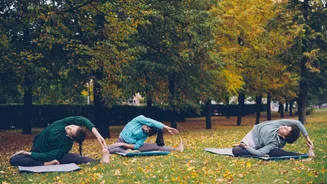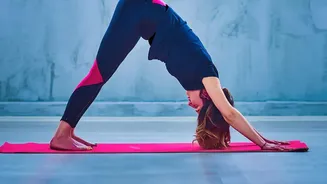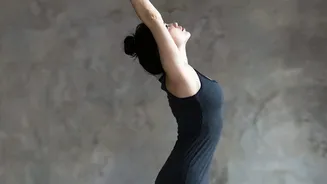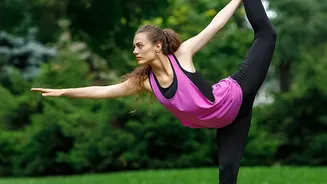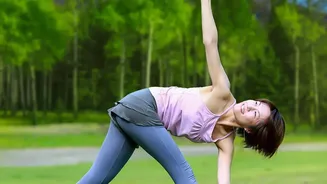

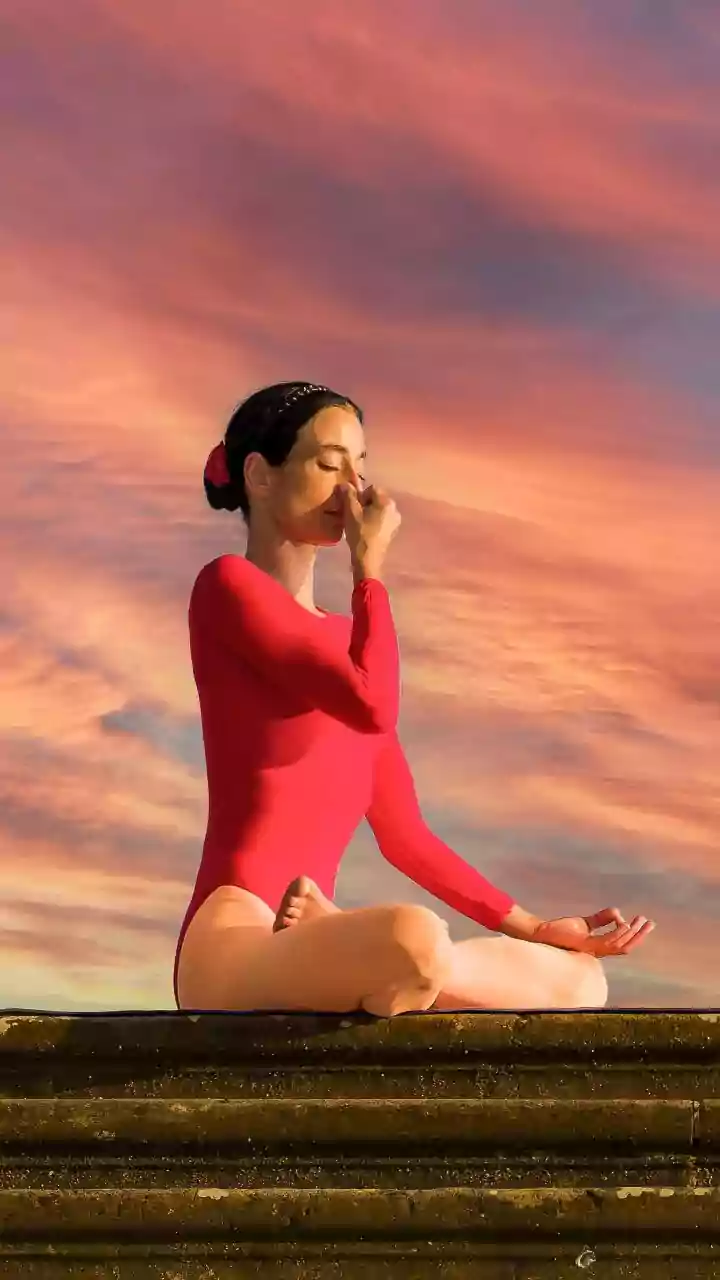




In the world of wellness, yoga and dance both promise a deeper connection between mind and body. But they achieve this through different paths: the focused stillness of mindful breathing and the cathartic release of expressive movement.
The Goal: Internal Stillness vs. External Release
Mindful breathing,
often called pranayama in yoga, is the practice of consciously controlling the breath to influence your mental and emotional state. The goal is to anchor your awareness in the present moment, calm the nervous system, and observe your inner world without judgment. It’s a journey inward, designed to cultivate focus, reduce stress, and promote a sense of inner peace. Expressive movement, common in practices like ecstatic dance, has a different aim. It's about letting the body speak its truth. The goal is to externalize feelings—joy, grief, frustration—through spontaneous, unchoreographed motion. Instead of quiet observation, it’s an active, physical release, using the body as a vehicle for emotional processing.
The Technique: Structure vs. Spontaneity
Mindful breathing often relies on specific, structured techniques. Practices like Box Breathing (inhaling, holding, exhaling, and holding for equal counts) or alternate nostril breathing follow a set pattern. This structure provides a clear point of focus, making it a powerful tool for re-centering a scattered mind. The discipline is in the repetition and control. Expressive movement, by contrast, is defined by its lack of structure. There are no steps to learn or poses to perfect. Guided by music and internal impulses, the movement is entirely improvisational. The discipline here is one of surrender—trusting your body's wisdom and allowing it to move freely without the intervention of the critical mind. It’s about freedom, not form.
The Experience: Quiet Observation vs. Active Catharsis
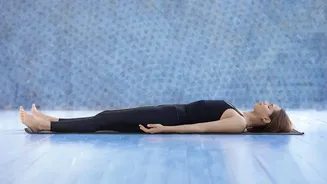
During a mindful breathing session, you might sit or lie still, turning your attention to the subtle sensations of air entering and leaving your body. The experience is one of growing stillness and awareness. Your mind might wander, but the practice is to gently guide it back to the breath. This cultivates a state of calm responsiveness rather than reactivity. An expressive dance session is far more dynamic. You are on your feet, moving with a group of people to a soundtrack that often builds in intensity. The experience is one of high energy, connection, and emotional catharsis. It's less about observing feelings and more about moving them through and out of the body, often leading to a feeling of joyful release or 'ecstasy'.
The Benefits: Grounding vs. Liberating
Both practices offer profound benefits that complement each other. Mindful breathing is scientifically shown to activate the parasympathetic nervous system—the body's 'rest and digest' mode. This helps lower cortisol levels, reduce anxiety, improve focus, and regulate emotions. It's a powerful tool for grounding yourself in moments of stress. Expressive movement provides an outlet for stored emotional energy and trauma held in the body. It enhances coordination, boosts cardiovascular health, and releases endorphins that elevate mood. While yoga focuses on alignment and flexibility, expressive dance offers a full-body workout rooted in creative self-expression. It’s a practice of liberation.
Which One Is Right for You?
Choosing between mindful breathing and expressive movement isn't about deciding which is 'better'. Instead, ask what you need in the moment. If you feel overwhelmed, anxious, or unable to focus, a structured mindful breathing practice can provide the calm and clarity you seek. It offers stability when your inner world feels chaotic. If you feel stuck, stagnant, or full of pent-up emotion, expressive movement offers a powerful release. It allows you to shake off tension, process feelings non-verbally, and reconnect with a sense of freedom and joy. Many find that the best routine incorporates both: yoga and breathwork to ground and tune the body, and dance to express and energize the soul.