







From Postcards to Paychecks
The traditional view of tourism often focused on its most visible aspects: monuments, hotels, and tour buses. While important, this perspective missed the sector's deeper economic potential. The new approach, increasingly embedded in national policy,
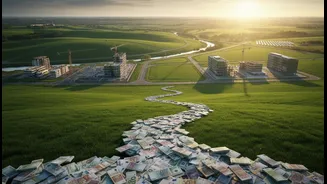
treats tourism not as a standalone luxury but as a catalyst for widespread economic activity. According to the Union Budget for 2026-27, there's a clear intention to move tourism from a seasonal activity to a year-round employment generator. This reframing is crucial. It positions the sector as a core pillar of India's ambition for inclusive growth, capable of creating opportunities far beyond the typical tourist hotspots.
The Government's New Playbook
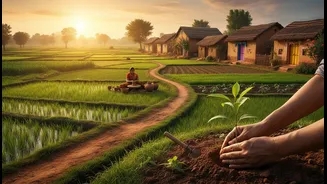
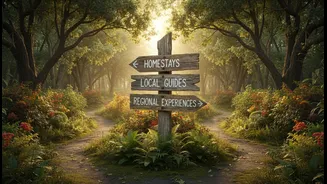
This strategic pivot is backed by a suite of government initiatives designed to unlock potential at the grassroots level. The draft National Tourism Policy explicitly highlights employment generation and community participation as key objectives. Schemes like Swadesh Darshan 2.0 and PRASAD are channelling funds into developing sustainable tourist destinations with robust infrastructure. Perhaps the most innovative example is the Vibrant Villages Programme, which focuses on developing border villages in states like Arunachal Pradesh and Uttarakhand. By promoting community-led initiatives such as homestays, local guide services, and cultural tourism, the program aims to create sustainable livelihoods and reduce outward migration from these remote but culturally rich areas.
Where the New Jobs Are
The emphasis on a diversified tourism model opens up a new spectrum of employment roles. The jobs are no longer confined to major hotel chains or large travel agencies. The focus is now expanding to include a vast ecosystem of direct and indirect employment. A significant push is being made in skill development. The government has announced plans to upskill thousands of tourist guides through specialized training programs in collaboration with top management institutes, ensuring they can offer richer, more immersive experiences. Furthermore, the establishment of a National Institute of Hospitality aims to create a world-class talent pipeline for the sector. This creates roles for storytellers, heritage experts, naturalists, and hospitality professionals in areas that previously saw little formal tourism employment.
Unlocking India's Entrepreneurial Spirit
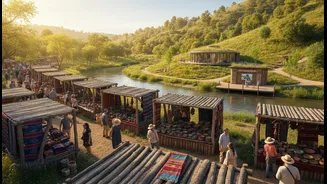
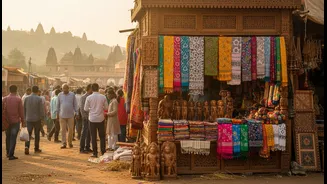
Beyond salaried jobs, this new vision for tourism is a massive opportunity for small-scale entrepreneurs. The model actively encourages local enterprise. Government schemes are facilitating MUDRA loans for individuals wanting to start their own homestays, bringing income directly to families. The 'One Village-One Product' concept, promoted under various initiatives, helps local artisans and farmers connect their products—be it handicrafts or unique local foods—to the tourism value chain. Digital platforms and the 'Dekho Apna Desh' campaign are further empowering these small businesses by giving them national visibility, allowing them to market their unique offerings directly to a growing domestic travel market. This focus on hyper-local experiences creates a ripple effect, supporting everything from local transport providers to food stalls and souvenir shops.