


The Unkillable Snake Plant
The Snake Plant (Sansevieria trifasciata) is a champion of low-maintenance gardening, and it truly shines during India's humid seasons. Its tough, architectural leaves are excellent at storing water, which means it's naturally resistant to the dangers
of overwatering that plague other plants during the monsoon. Because the air is already moist, the plant's need for water from its soil decreases significantly. This makes it the perfect 'set and forget' plant. It's forgiving of low light and continues to purify the air by converting CO2 to oxygen even at night, making it an excellent companion for bedrooms. During humid months, you should allow the soil to dry out completely before even thinking about watering it again. Its resilience to neglect makes it ideal for both beginners and busy plant parents.
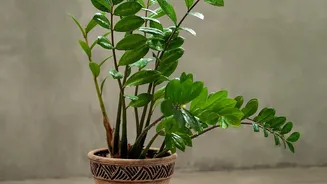
The Drought-Tolerant ZZ Plant
The Zamioculcas zamiifolia, or ZZ Plant, is another superstar for humid climates. Its glossy, waxy leaves aren't just for show; they prevent moisture loss and help the plant thrive in varied conditions. The ZZ plant grows from underground rhizomes, which store water, making it exceptionally drought-tolerant. In a high-humidity environment like the Indian monsoon, its watering needs drop to almost nothing. You might only need to water it once every few weeks, always checking that the soil is completely dry first. It tolerates low light well, making it perfect for hallways or corners of a room that don't receive direct sun. This plant's ability to handle neglect while still looking lush and green makes it a favourite for Indian homes.
The Versatile Money Plant (Pothos)
The Money Plant, or Pothos (Epipremnum aureum), is a staple in Indian households for a reason. It's incredibly adaptable and flourishes when the air is moist. During the rainy season, you'll often see Pothos go into a growth spurt, with its trailing vines growing longer and more vibrant. Native to tropical forests, it is accustomed to cycles of heavy rain followed by a dry period, so it hates sitting in waterlogged soil. The key is to use a well-draining potting mix and let the soil dry out between waterings, a process that takes much longer when humidity is high. Pothos is also very forgiving about light conditions, thriving in everything from low, indirect light to brighter spots, making it easy to place almost anywhere in the home.
The Elegant Peace Lily
The Peace Lily (Spathiphyllum) is beloved for its elegant white blooms and lush, dark leaves. It naturally thrives in humid environments, making the monsoon its favourite season. These plants love moisture in the air, which means you can scale back on watering significantly. They are great communicators; their leaves will droop dramatically when they are thirsty, taking the guesswork out of your watering schedule. During periods of high humidity, you'll find they need water far less frequently. Peace Lilies also prefer low to medium indirect light, conditions that are common on overcast rainy days. Beyond their beauty, they are also known for being excellent air purifiers.
The Hardy Spider Plant
The Spider Plant (Chlorophytum comosum) is one of the most adaptable and easy-to-grow houseplants. It handles a wide range of conditions, including the high humidity of the monsoon season. Its arching leaves and ability to produce tiny 'pups' or plantlets make it a visually interesting addition to any room. While they appreciate consistent moisture during hot, dry summers, their need for water reduces in damp weather. Like the others on this list, it's crucial to let the soil dry out a bit to prevent root rot. They do well in moderate to bright indirect light and are quite resilient, making them a great choice for beginners looking for a plant that won't give them trouble during the rainy months.
The Colourful Aglaonema
Aglaonema, also known as the Chinese Evergreen, is a fantastic indoor plant for India's moist weather, celebrated for its vibrant and patterned leaves. These plants thrive in the exact conditions that the monsoon provides: high humidity and low to moderate indirect light. Their ability to flourish in damp air means they require less frequent watering, as the soil retains moisture for longer. They are relatively hardy and can tolerate some neglect, making them a low-effort way to add a splash of colour—from deep greens to pinks and reds—to your indoor space during the greyest days of the rainy season.