





What Are These New Initiatives?
When we talk about Microsoft's new AI push, it's not just one single 'lab'. It's a combination of major programmes and partnerships aimed at embedding AI into the Indian education system. One of the biggest is the 'Microsoft Elevate for Educators' programme,
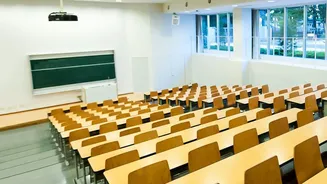
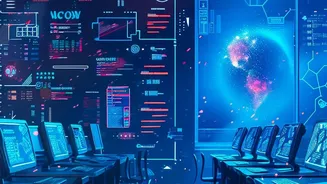
which aims to train two million teachers in AI by 2030, reaching 200,000 schools. This initiative is part of a larger commitment to equip millions of people in India with AI skills. Additionally, Microsoft has been establishing physical AI labs and Centers of Excellence in partnership with academic institutions, like the recent collaboration with Manipal Academy of Higher Education (MAHE). The goal is to provide students and faculty with hands-on access to cutting-edge technology and align academic learning with real-world industry needs.
Your New AI Study Partner
The most immediate change for students could come from AI-powered learning tools. Microsoft is rolling out features like the 'Study and Learn Agent' within its Copilot app, designed specifically for education. Unlike general AI that might just give you the answer, this tool is built to function as an interactive tutor. It can help you understand complex concepts, practice with adaptive exercises, and get feedback on your work, all while adapting to your individual learning pace. Think of it as a 24/7 study partner that helps you think critically rather than just providing shortcuts. This could be a game-changer for everything from homework help to exam preparation, making learning more personalised than ever before.
The New Must-Have Skill Set
With AI becoming a core part of the curriculum, a new baseline for skills is being set. Under the National Education Policy 2020, AI and Computational Thinking are being introduced from as early as Grade 3. Microsoft's initiatives are designed to support this shift by training teachers to effectively integrate AI literacy into their lessons. For students, this means that understanding how to use AI responsibly and effectively will no longer be a niche skill but a fundamental part of your education, much like reading or maths. The focus is on 'AI fluency' — not just knowing what AI is, but being able to use it as a collaborative partner to brainstorm, analyse information, and solve problems. This shift is driven by the demands of the future job market, where AI proficiency is becoming a critical requirement across nearly every industry.
Bridging the Gap to a Career
These initiatives are not just about academics; they are a direct pipeline to career readiness. Microsoft's commitment to skilling 10 million Indians in AI by 2030, under programmes like 'ADVANTA(I)GE INDIA', is explicitly designed to prepare the country's youth for an AI-driven economy. By partnering with government bodies and establishing AI productivity labs in vocational training institutes, Microsoft is creating structured pathways from education to employment. Students who engage with these programmes gain more than just theoretical knowledge; they get hands-on experience with industry-standard tools and workflows. This practical experience, combined with certifications and credentials offered through the programs, can give students a significant advantage in the job market, where NITI Aayog projects millions of new AI-related jobs could be created.
Access, Equity, and the Road Ahead
While the potential is enormous, the success of these initiatives hinges on equitable access. Microsoft has stated its goal is to bring AI education to underserved regions and ensure the benefits are not just concentrated in major tech hubs. The strategy involves partnering with state governments and NGOs to reach rural vocational institutions and training centers. By providing AI tools and training to educators across 200,000 schools, the aim is to create a ripple effect that reaches millions of students. However, challenges remain. Ensuring that every student, regardless of their location or background, has the infrastructure and support to benefit from these tools is the next big hurdle. The vision is ambitious: to transform India's massive student population into a future-ready workforce, but it requires a concerted effort to make these opportunities truly inclusive.