



Keep Your Gadgets High and Dry
Your smartphone, camera, and power bank are the most vulnerable items in your bag. The simplest defence is creating multiple barriers against water. Inexpensive zip-lock pouches are a traveller's best friend; use them to individually seal your phone, charger,
and cables. For an extra layer of security, invest in a 'dry bag'. These roll-top sacks are designed for watersports and guarantee that no moisture gets in, even if your main backpack gets soaked. Keep your most important electronics in a dry bag and then place it in the most protected part of your backpack, away from the outer edges. This double-layer strategy ensures that even in a sudden downpour, your tech remains perfectly safe.
Rethink Your Footwear Strategy
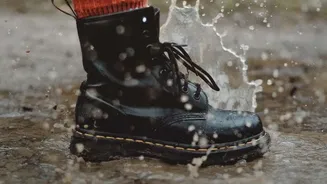
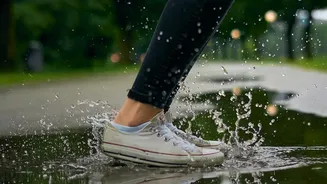
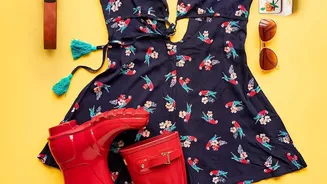
When it comes to monsoon footwear, the primary goal is to choose something that handles water well and dries fast. Heavy leather shoes and canvas sneakers are a poor choice, as they absorb water, become heavy, and can take days to dry in humid conditions. Instead, opt for footwear made of rubber or EVA, such as waterproof sandals with a good grip or classic Crocs-style clogs. These materials don't absorb water and provide excellent traction on slippery surfaces. If you must pack closed shoes, choose a quick-drying pair and wear your heaviest, bulkiest footwear during travel to save space in your luggage. The right shoes will not only keep you comfortable but also prevent the slips and falls common on wet, muddy trails.
The Mud-Free Shoe Solution
Returning to your hotel room with muddy shoes presents a messy problem. The solution begins with smart packing. Always carry a few extra plastic bags or dedicated shoe bags. As soon as you take off your wet, muddy shoes, place them in a bag to prevent dirt from getting on your clothes or the hotel floor. This also makes them easier to carry to a cleaning area. It’s also wise to pack a small shoe cleaning kit: a simple brush and a cloth can work wonders. Before packing for your return journey, ensure your shoes are as clean and dry as possible to avoid unpleasant odours and mildew from developing in your luggage. Stuffing them with newspaper or using a hairdryer on a low setting can speed up the drying process.
Choose Fabrics That Dry in Minutes, Not Days
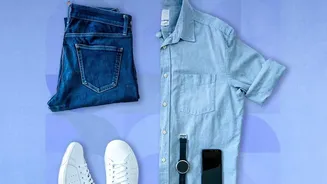
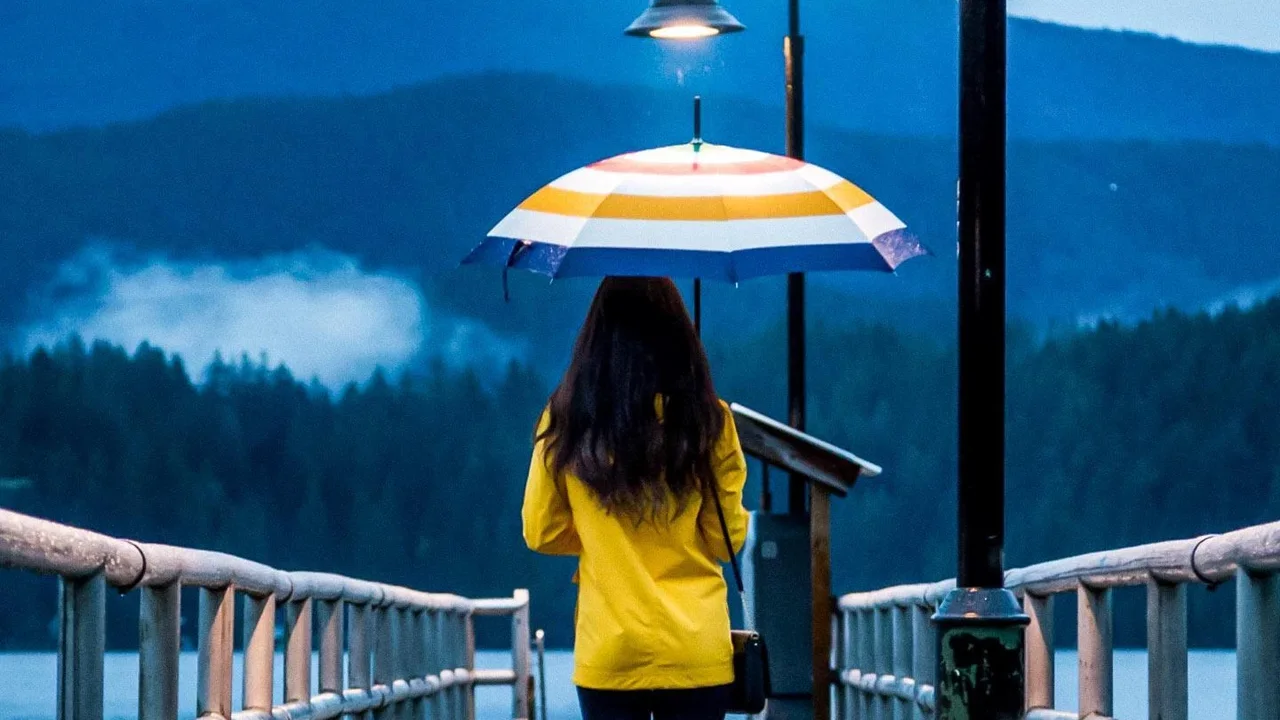
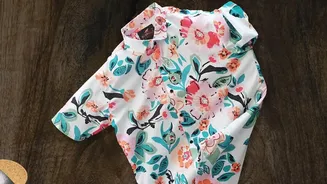
During the monsoon, humidity is high, and clothes take significantly longer to dry. The key is to avoid fabrics like cotton and denim, which act like sponges. Instead, pack clothes made from synthetic, quick-drying fabrics like polyester or nylon. These materials wick moisture away from your body and will dry in a few hours even in a damp hotel room, whereas a cotton t-shirt might stay wet for days. A lightweight, synthetic rain jacket is also far more practical than a bulky umbrella, which can be difficult to manage in windy conditions. Packing two sets of quick-dry trekking clothes—one to wear and one sealed in a dry bag as a spare—is a pro-level move for any monsoon adventure.
Harness the Power of Silica Gel
Those little white packets labelled "Do Not Eat" that come with new shoes and electronics are your secret weapon against humidity. Silica gel is a desiccant, meaning it aggressively absorbs moisture from the air. Tossing a few of these packets into your luggage, especially in the compartments where you store electronics and important documents, can prevent damage from condensation that builds up in high humidity. If your phone does get wet, forget the debunked rice myth. Power it off immediately, wipe it down, and place it in a sealed container or bag with several silica gel packets for 24 to 48 hours. This method is far more effective at drawing out internal moisture and could save your device.
Don't Forget a Monsoon-Ready First-Aid Kit
The monsoon season brings an increased risk of minor health issues. Mosquito populations surge, so a strong insect repellent is non-negotiable. The damp conditions can also lead to fungal infections, making an antifungal powder or cream a wise addition to your kit. Pack essentials like antiseptic wipes, bandages for small cuts, and pain relievers. Due to the higher risk of waterborne ailments, it's also a good idea to carry medication for stomach issues and rehydration salts or electrolyte sachets, as the humidity can cause you to dehydrate faster than you realise.