


The End of the Catalogue Home
For years, the ideal home looked like it was lifted from a furniture catalogue. The sofa matched the armchairs, which matched the side tables, all belonging to one uniform style. But a shift is underway. Homeowners and designers are moving away from this
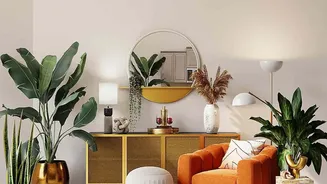
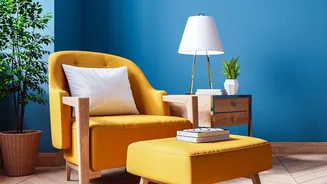
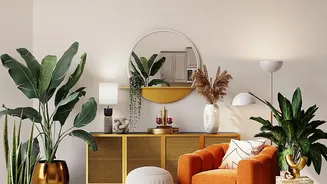
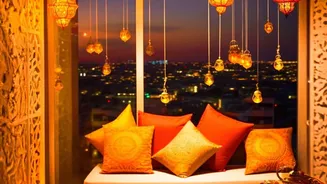
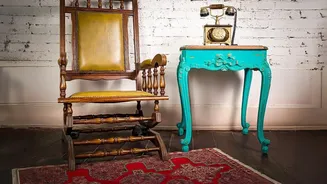
rigid, one-size-fits-all approach. Instead, they are embracing what is known as eclectic or mixed-furniture design. This isn't about creating chaos; it's a thoughtful, intentional curation that blends different styles, eras, and textures to create a space that is deeply personal. It's the art of making a contemporary sofa coexist beautifully with a colonial-era armchair, or a sleek, modern dining table paired with antique wooden chairs. The goal is no longer perfection, but personality.
A Home That Tells Your Story
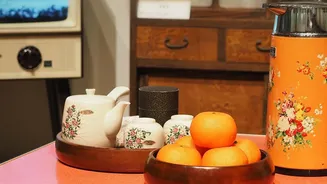
This trend is about more than just aesthetics; it's about storytelling. A mixed-furniture home is a physical timeline of your life, experiences, and tastes. That brass pot from a holiday in Jaipur, a mid-century modern lamp inherited from your parents, and the minimalist sofa you just bought can all share the same space. Each object has a history, and together, they narrate a story that is uniquely yours. Indian designers note that this reflects a growing desire for authenticity. People want their homes to be a collection of things they love, assembled over time, rather than a space purchased in a single shopping trip. This approach allows for the proud display of travel finds, cherished heirlooms, and even beautiful everyday objects, giving them pride of place in our decor.
Making the Mix Work
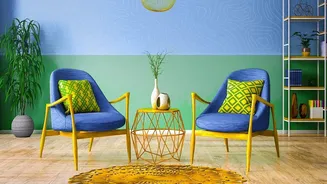
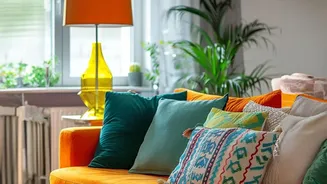
Successfully mixing furniture is an art, but it has a few simple principles. Designers suggest finding a unifying thread to tie disparate pieces together. This could be a common colour palette, a repeated material like wood or brass, or a consistent scale. For instance, a vintage rosewood chest and a modern metal-framed chair can look harmonious if they both share touches of black. Another popular guideline is the 80/20 rule: let one style dominate about 80% of the space (perhaps the larger items like a sofa and shelving) and use the remaining 20% for accent pieces from a different style. This creates a balanced look that feels intentional rather than accidental. Texture also plays a key role; mixing the roughness of reclaimed wood with the smoothness of marble or the softness of velvet adds depth and interest.
The Heirloom Advantage
This trend is particularly suited to Indian homes, many of which hold generational treasures. That heavy, carved teak jhoola (swing), a brass-inlaid dowry chest, or a set of old cane chairs no longer need to be hidden away. In fact, they can become the star of a modern room. An antique wooden bench can be repurposed as a unique coffee table in a contemporary living room, or a vintage textile can be framed as a statement piece of art. The key is to create a dialogue between the old and new. Pairing a traditional piece with clean, minimalist furniture allows its craftsmanship and character to shine. This not only preserves a piece of family history but also adds a layer of warmth and soul that mass-produced items simply cannot replicate.