


Grooming Is More Than Just Looks
Regular grooming is a cornerstone of responsible pet care, not just a luxury for a pretty-looking pet. It’s an essential practice for maintaining their physical health and your bond. A good grooming routine helps prevent skin issues like matting, which
can be painful and lead to infections. It also allows you to check for lumps, bumps, parasites, or any other abnormalities that might need a veterinarian’s attention. For your pet, it’s a time of connection and care that reinforces trust. Whether you have a long-haired dog or a short-haired cat, establishing a consistent grooming schedule is an act of love that pays dividends in their overall well-being.
Your Essential Grooming Toolkit
You don't need a professional salon, but having the right tools makes a world of difference. For most dogs and cats, a basic kit should include: * **Brushes and Combs:** The type depends on your pet’s coat. A slicker brush works well for removing loose fur and tangles on many breeds. A de-shedding tool is a must-have during shedding season, especially in India’s changing climates. For long-haired pets, a metal comb is crucial for tackling deeper mats. * **Nail Clippers:** Overgrown nails can cause pain and affect your pet’s posture. Choose between guillotine-style or scissor-style clippers. If you’re nervous, a grinder is a safer, albeit slower, alternative. Always have styptic powder on hand to stop bleeding in case you clip the quick. * **Pet-Specific Shampoo:** Human shampoos are not pH-balanced for pets and can dry out their skin. Invest in a good quality dog or cat shampoo, preferably something mild and hypoallergenic. Medicated shampoos are available for specific skin conditions, but should only be used on a vet’s recommendation.
Mastering the Art of Bathing
Bathing frequency depends on your pet’s breed, lifestyle, and skin type. A general rule is to bathe them only when necessary to avoid stripping natural oils from their coat. When you do, make it a positive experience. Use lukewarm water and keep it out of their ears and eyes. Lather the shampoo gently, working from the neck down, and rinse thoroughly—leftover soap is a common cause of skin irritation. Towel-dry them well, and if you use a hairdryer, keep it on the lowest heat setting and hold it at a distance.
Shifting Gears: The Tick and Flea Menace
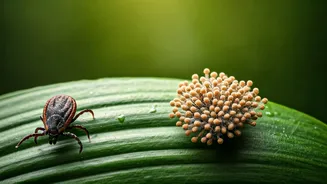
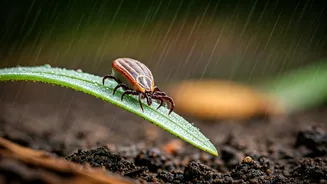
In India's warm and humid climate, ticks and fleas are a year-round threat. These parasites are not just an itchy nuisance; they are carriers of dangerous diseases like tick-borne fever (Ehrlichiosis and Babesiosis) and tapeworms. A single tick can transmit disease, making prevention far better—and cheaper—than cure. Vigilance is your best weapon. After every walk, especially if you’ve been through grassy or wooded areas, perform a thorough check of your pet’s body. Pay close attention to areas like between the toes, inside the ears, under the collar, and around the tail.
Choosing Your Prevention Method
The market is filled with effective options for tick and flea control. The best choice for your pet depends on their age, health, and lifestyle. Common options include: * **Spot-On Treatments:** These are liquid medications applied directly to the skin, usually between the shoulder blades. They are highly effective and typically provide protection for a month. * **Oral Medications:** Chewable tablets are a convenient, mess-free option that kill fleas and ticks when they bite your pet. They are very effective and you don’t have to worry about them washing off. * **Tick Collars:** Modern medicated collars are not the ineffective ones of the past. They release active ingredients over several months, offering long-lasting protection. It is crucial to use products specifically designed for your pet’s species and weight. Never use a dog product on a cat, as they can be highly toxic. Always consult your veterinarian to choose the safest and most effective product for your companion.
Don't Forget Your Home Environment
An effective pest prevention strategy extends beyond your pet. Fleas, in particular, can infest your home. A significant part of the flea life cycle (eggs, larvae, pupae) happens in your carpets, furniture, and pet’s bedding. Regularly wash your pet’s bedding in hot water. Vacuum carpets and floors frequently, paying special attention to areas where your pet likes to rest. In case of a serious infestation, you may need to use veterinary-approved home foggers or sprays to break the life cycle and eliminate the problem for good.