





An Invisible Chemical Cocktail
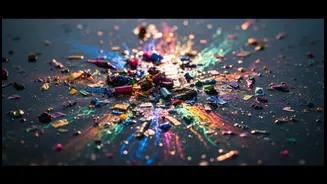
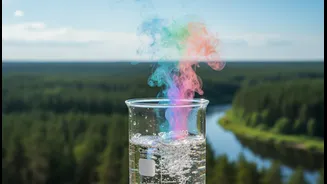
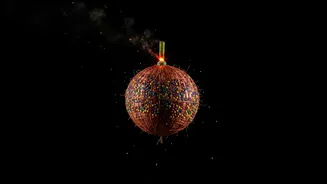
The vibrant colours and loud bangs of fireworks are created by a carefully designed chemical reaction. Those brilliant reds, greens, and blues come from metal compounds like strontium, barium, and copper. The explosive force is often powered by compounds like perchlorates.
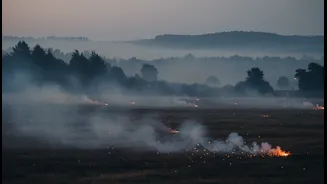
When a firework explodes, these substances don't simply vanish. They are released into the atmosphere as a plume of smoke and microscopic particles, creating a toxic mix that drifts far beyond the celebration site. This mixture includes harmful gases like sulphur dioxide and carbon monoxide, along with a fine dust of heavy metals.
The Air We Breathe
The most immediate impact of this chemical cloud is on air quality. Fireworks release vast quantities of fine particulate matter, known as PM2.5. These particles are so tiny they can bypass the body's natural defences and lodge deep within the lungs, and even enter the bloodstream. Studies have shown that air pollution can spike dramatically during festivals like Diwali or other major celebrations, with PM2.5 levels rising to many times the safe limit recommended by the World Health Organization. This sudden drop in air quality can trigger coughing, wheezing, and severe asthma attacks. People with pre-existing respiratory conditions like bronchitis or COPD, as well as children and the elderly, are especially vulnerable to these effects.
A Threat to Heart Health
The danger isn't limited to the lungs. Once these fine particles enter the bloodstream, they can cause inflammation, damage blood vessels, and increase the risk of cardiovascular events like heart attacks and arrhythmias. Research has consistently linked short-term spikes in particulate matter from sources like fireworks to increased stress on the heart. The metals used for colour, such as lead and barium, also pose their own risks. Lead is a known neurotoxin, while barium can impact lung function. In essence, the pollution you inhale during a fireworks display travels through your body, placing a hidden strain on your entire cardiovascular system.
From the Sky to Our Water
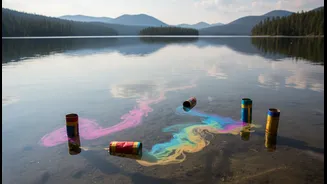
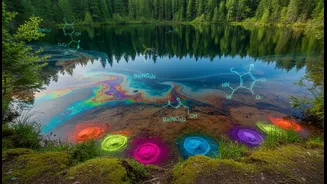
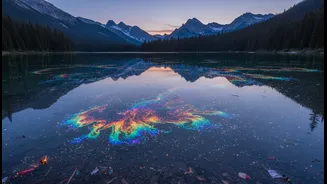
The pollution doesn't stay in the air forever. The chemical residue, including unburnt powders and heavy metals, eventually settles on the ground, buildings, and water bodies. Rain can wash these pollutants into rivers, lakes, and eventually, the groundwater we rely on for drinking. One of the key chemicals of concern is perchlorate, an oxidiser used to help fireworks burn. It dissolves easily in water and can persist in the environment for a long time, contaminating drinking water sources and soil. Studies have found elevated levels of perchlorate in water bodies near sites with regular fireworks displays, posing a risk to aquatic life and potentially human health by interfering with thyroid function.
A Lingering Problem
While the visible litter can be swept away in a day, the chemical pollution has a much longer lifespan. Fine particulate matter can remain suspended in the air for hours or even days after a display, contributing to prolonged periods of poor air quality and haze. In some cases, air quality remains at unhealthy levels for more than 10 hours after a major show. The contamination of soil and water is even more persistent. Heavy metals and perchlorates do not easily break down and can accumulate in the ecosystem over time, affecting plants, animals, and the entire food chain.