




Before You Leave: Your Digital Toolkit
A smart commute begins before you even step out of the door. Having the right digital tools can mean the difference between a smooth journey and being stranded for hours. Start with a reliable weather app. The government's official 'Mausam' app, developed
by the India Meteorological Department (IMD), provides current weather data, city forecasts, and colour-coded warnings for the next five days. It offers features like three-hourly 'nowcasts' for local weather phenomena and radar images updated every 10 minutes. For hyper-local, minute-by-minute precipitation forecasts, apps like AccuWeather can be very useful, telling you almost exactly when the rain will start and stop. Other popular choices include The Weather Channel and Skymet Weather, which is particularly known for its monsoon tracking. Once you know the weather, check the traffic. Google Maps and Mappls (by MapmyIndia) are essential for checking real-time traffic congestion and road closures. These apps often use crowd-sourced data to flag waterlogged areas, accidents, or diversions, allowing you to reroute your journey proactively.
On the Move: Staying Informed in Real Time
Once your journey has begun, conditions can change rapidly. Staying updated is crucial. Social media, particularly X (formerly Twitter), can be an invaluable resource. Follow the official accounts of your local city traffic police. They provide frequent updates on waterlogging, traffic diversions, and accidents. This information is often more immediate than app-based alerts. Many navigation apps like Google Maps and Waze allow users to report hazards in real time. Paying attention to these user-generated reports can help you avoid newly developed chokepoints. For those using public transport, apps like Yatri (for Mumbai locals) offer live train tracking and delay updates, helping you decide whether to wait or seek an alternative. If you are on the road, listen to local FM radio channels, as they often broadcast live traffic updates and advisories from authorities, which can be especially helpful if your phone's network connectivity is poor.
Beyond the Screen: Practical Wisdom for the Rains
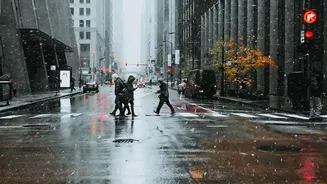
Technology is a great enabler, but traditional wisdom and simple precautions remain just as important. The most effective strategy is often the simplest: leave early. Adding a buffer to your travel time reduces the stress of navigating slow-moving traffic and potential delays. Always have a Plan B for your commute. If your primary route involves low-lying areas prone to flooding, know an alternate way, even if it's longer. This could mean switching from a bus to a metro or a different combination of transport. Visually inspect your route. If a road is waterlogged, avoid it. It's impossible to know the depth of the water or what hazards lie beneath, such as open manholes, potholes, or debris. When driving, maintain a greater distance from the vehicle ahead, as braking distances increase significantly on wet roads. Driving slowly and steadily is the safest approach.
Gear Up: Your Monsoon Commute Essentials
The right gear can make a wet commute far more comfortable and safe. A high-quality raincoat or poncho often provides better protection than an umbrella, especially in windy conditions or if you're riding a two-wheeler. Footwear with good grip is non-negotiable, as station platforms and pavements become extremely slippery. Protecting your electronics is paramount. A waterproof backpack or a dedicated rain cover is a wise investment. For extra security, keep your phone, wallet, and laptop in separate waterproof pouches or zip-lock bags. Given the likelihood of extended travel times and traffic jams, a fully charged power bank is a lifesaver, ensuring you can stay connected and access navigation apps when you need them most. It's also a good idea to pack a small microfibre towel, an extra pair of socks, and some emergency snacks and water in case your journey takes much longer than expected.
If You Get Stuck: Safety and Patience
Despite the best planning, you may find yourself stuck in a major traffic jam or a waterlogged area. In this situation, safety comes first. If you are in a car, do not attempt to drive through deep, standing water, as it can stall your engine and cause severe damage. If the water is rising around you, it is often safer to abandon the vehicle and move to higher ground. When walking, avoid floodwater as it can hide dangers and may be contaminated. Stay in well-lit areas, especially if you are travelling late at night. Keep a friend or family member informed about your location and estimated travel time. Use travel downtime productively—you can use the wait to plan the rest of your route, catch up on messages, or simply listen to a podcast. Patience is key; getting agitated will not clear the traffic any faster. The goal is to reach your destination safely, even if it takes longer than usual.