
The All-Season Star: Kabini, Karnataka
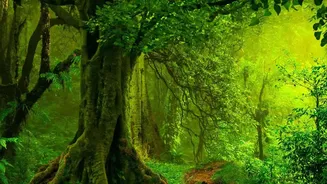
While many national parks shut their gates during the monsoon, Kabini, part of Nagarahole National Park, remains open all year. In August, the landscape sheds its dry summer look for a vibrant green coat. The Kabini reservoir fills up, and animals flock
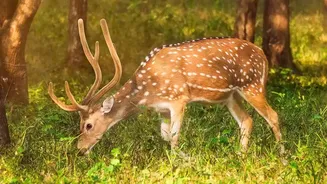
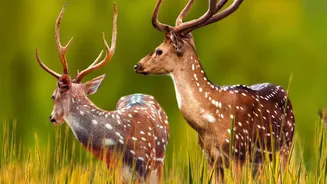
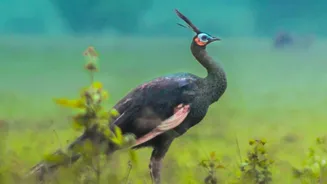
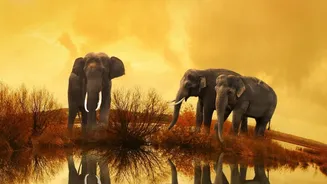
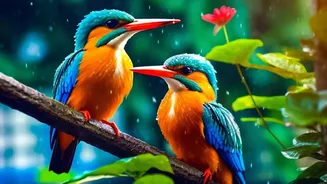
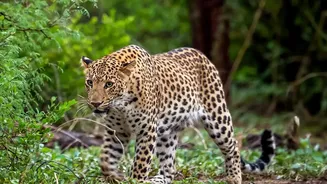
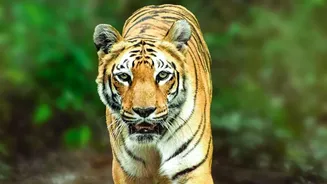
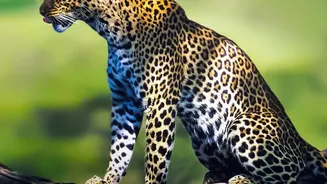
to the backwaters, creating picture-perfect scenes. It's a prime time for photographers, as the overcast skies and lush backgrounds make the colours of animals like tigers and leopards pop dramatically. Boat safaris are a highlight, offering a unique vantage point to see herds of elephants, deer, and a plethora of bird species along the water's edge. Though sightings can sometimes be tricky due to dense vegetation, the reduced number of tourists means a more peaceful and intimate encounter with nature.
The Lake Sanctuary: Periyar, Kerala
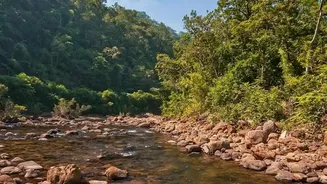
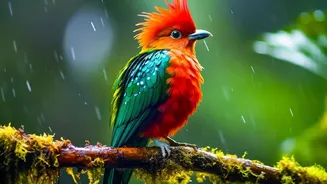
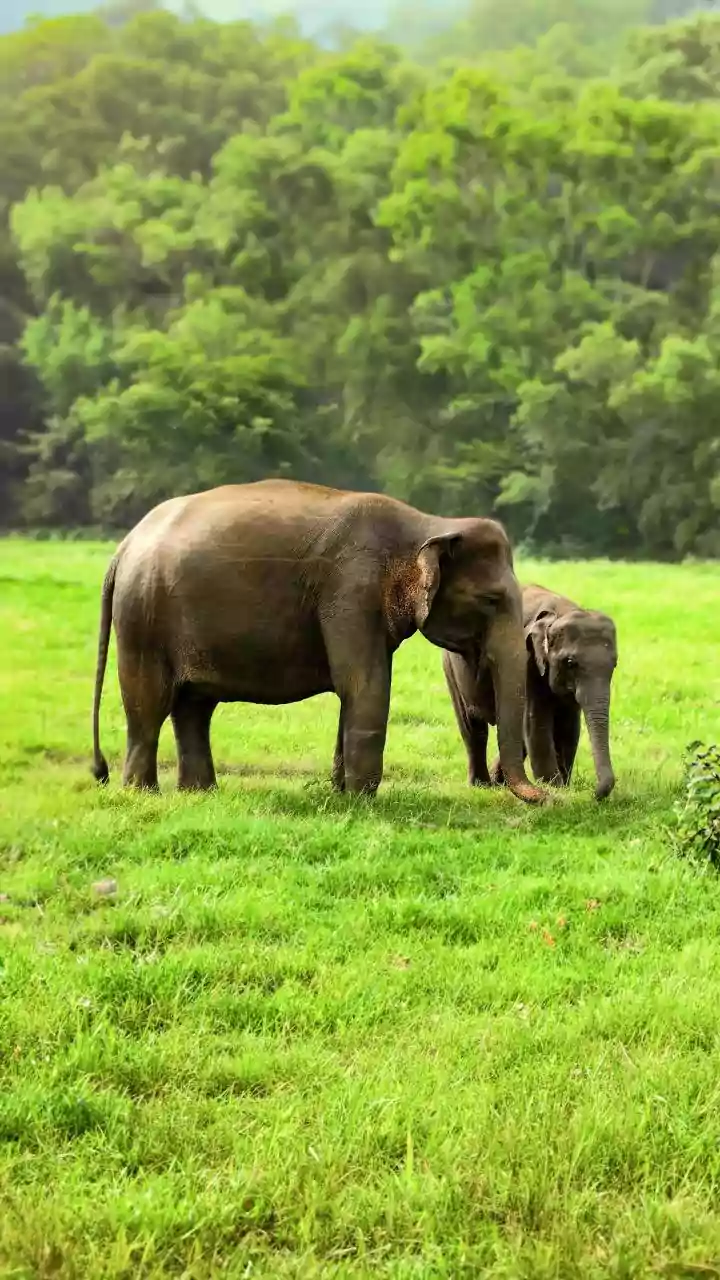
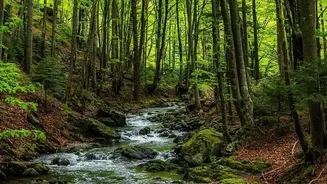
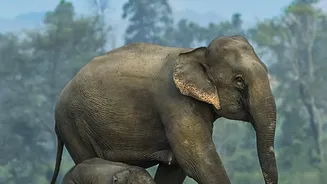
Nestled in the Western Ghats, Periyar National Park in Thekkady is arguably one of the best wildlife sanctuaries to visit during the monsoon. The park, which remains open year-round, revolves around the magnificent Periyar Lake. In August, the forests are misty and intensely green, and the air is fresh with the scent of wet earth. The most popular activity here is the boat cruise on the lake, which provides fantastic opportunities to spot wildlife. Herds of elephants are a common sight, often seen playing and drinking by the water. You might also spot sambar deer, gaurs, and a variety of birdlife, including the Great Malabar Hornbill. The weather is mild, with average highs around 24°C, but expect regular showers.
The Tiger's Realm: Tadoba, Maharashtra
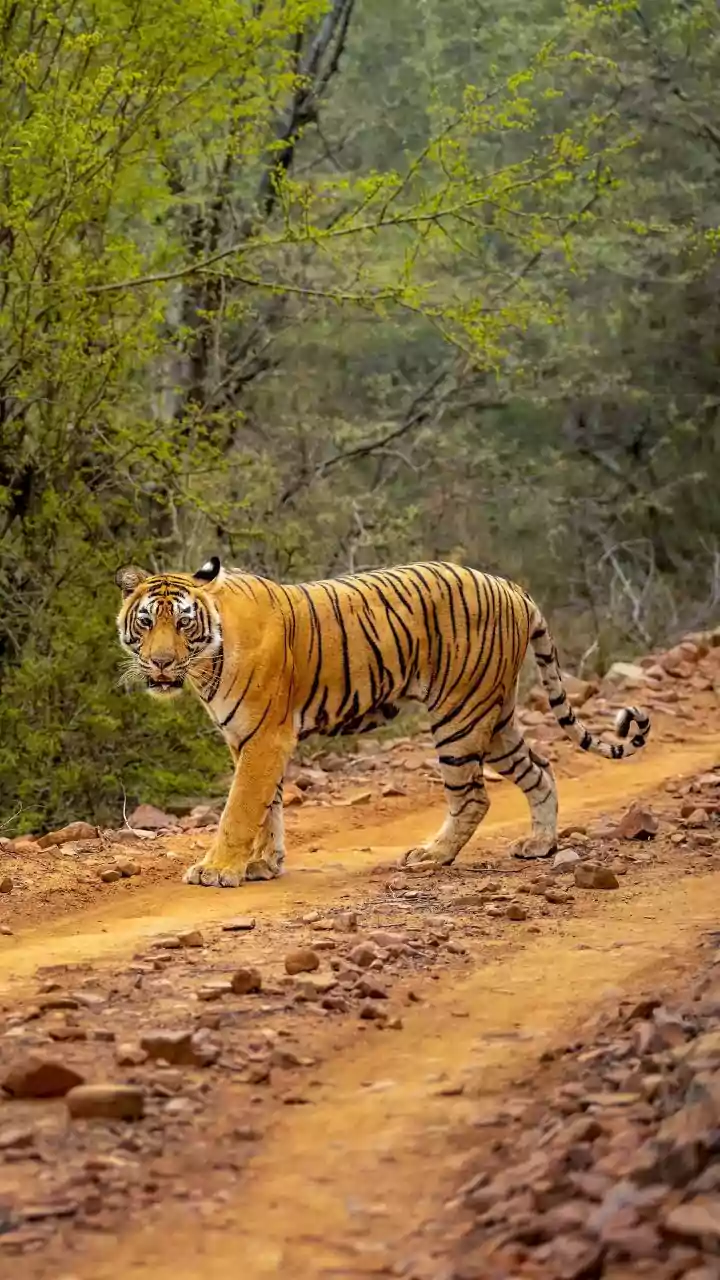
Tadoba Andhari Tiger Reserve is famous for its high tiger density, and while the core zones close during the monsoon, several buffer zones remain open for safaris. This makes it one of the best places in India for a monsoon tiger-sighting adventure. The rains transform the dry landscape into a lush, green paradise, and waterfalls and lakes brim with life. Experienced guides note that the tall grass often encourages tigers to walk along the safari trails, potentially increasing sighting opportunities. Beyond tigers, the monsoon is an excellent time for birdwatching and appreciating the vibrant ecology of the forest with fewer crowds.
Foothills in the Rain: Jim Corbett, Uttarakhand
India's first national park, Jim Corbett, doesn't completely shut down for the monsoon. While the core zones like Dhikala and Bijrani are closed due to heavy rains and potential landslides, the Jhirna and Dhela zones, along with buffer areas like Sitabani, remain open for visitors year-round. Exploring these zones in August offers a chance to see the Himalayan foothills in their rain-washed glory. The landscape becomes incredibly green, and the air is clean and cool. You can spot elephants, deer, and wild boars, and the birdwatching is exceptional, with many species being particularly active. Elephant safaris in the buffer zones provide a unique way to navigate the lush undergrowth and experience the forest's serene, magical atmosphere.
Planning Your Monsoon Safari
A wildlife trip in August requires a bit of extra planning. Since many core areas of parks are closed, it's crucial to book safaris for the specific buffer zones that remain open. Always check the official park websites or with your accommodation for the most current information on accessible zones and safari timings. Pack waterproof jackets, quick-drying clothes, and protective gear for your camera. Leeches can be common in the wet forests, so leech-proof socks are a wise addition. Finally, remember that a monsoon safari is about more than just spotting a tiger; it's about witnessing the jungle at its most alive, a vibrant, thriving ecosystem rejuvenated by the rains.