




Understand the Source of the Smell
That distinct musty odour you notice during the rainy season isn't just from the damp air; it's a sign of mould and mildew growth. High humidity creates the perfect breeding ground for these fungi, especially in poorly ventilated areas. When moisture
from the air settles on walls, furniture, and fabrics, it allows microscopic mould spores, which are always present, to flourish and release gases that cause the unpleasant smell. Tackling the problem means controlling the moisture first.
Embrace Strategic Ventilation
It might seem counterintuitive to open windows when it's damp outside, but ventilation is your most powerful tool. The key is timing. Open windows and doors for at least 15-20 minutes during drier parts of the day, such as the morning or when the rain stops, to allow fresh air to circulate. Creating cross-ventilation by opening windows on opposite sides of a room is highly effective at flushing out humid, stagnant air and preventing moisture from settling. In bathrooms and kitchens, always use exhaust fans to expel moisture-laden air.
Protect Your Wardrobes and Storage
Cupboards and wardrobes are hotspots for musty smells because they trap moisture and have limited airflow. To combat this, ensure clothes are completely dry before storing them. Placing moisture absorbers inside can make a huge difference. You can use silica gel packets, naphthalene balls, or dried neem leaves, which also act as a natural insect repellent. Leaving wardrobe doors ajar for a few hours each day can also help air circulate and prevent dampness from building up.
Use Natural and DIY Dehumidifiers
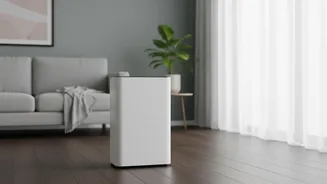
You don't always need an electric device to control humidity. Several common household items work as effective natural dehumidifiers. Placing bowls of rock salt or baking soda in damp corners, bathrooms, or closets can help absorb excess moisture from the air. Activated charcoal is another excellent option; it not only absorbs moisture but also helps neutralize odours. You can place charcoal briquettes in small cloth bags and tuck them away in drawers, shoe racks, and cabinets.
Care for Walls and Furniture
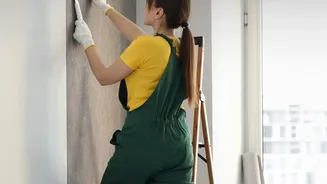
Dampness can cause significant damage to walls and wooden furniture, leading to peeling paint and fungal growth. Regularly inspect walls for any signs of damp patches, which could indicate a leak that needs fixing. If you spot any mould, clean it immediately with a disinfectant solution. To protect wooden furniture, try to keep it slightly away from walls to improve air circulation behind it. Wiping down furniture with a dry cloth regularly prevents moisture from settling on the surface.
Manage Linens and Laundry
Carpets, curtains, and other fabrics can hold a lot of moisture and contribute to a stuffy, damp smell. If possible, roll up and store heavy carpets during the monsoon. Wash curtains and cushion covers regularly. Avoid drying clothes indoors if you can, as it releases a large amount of moisture into the air. If you must dry them inside, place them in a single, well-ventilated room with a window cracked open or a fan running to help disperse the humidity.