





The Golden Rule: Airtight is Everything
The single most important step to monsoon-proofing your kitchen is investing in quality airtight containers. Humidity is the primary enemy, causing everything from salt and sugar to biscuits and chips to clump or go stale. Flimsy plastic boxes and their
original packaging won't suffice. Transfer items like flour, pulses, spices, and snacks into glass or high-quality, BPA-free plastic jars with tight-sealing lids immediately after purchase. This simple habit creates a crucial barrier against moisture, preserving flavour and texture. For items like ghee, which is highly susceptible to spoilage from even a drop of water, using a clean, dry glass or stainless steel container is non-negotiable.
Protecting Spices, Flours, and Grains
Spices are often the first casualty of the damp weather. To prevent your masalas from becoming solid cakes, store them in a cool, dry cupboard away from the stove. The heat and steam from cooking introduce moisture every time you open a jar. A useful trick is to briefly dry-roast items like lentils (dals) and semolina (suji) in a pan without oil before storing them. Let them cool completely, then seal them in their containers. This drives off residual moisture. For grains and flours, adding a few dried bay leaves or neem leaves can act as a natural deterrent against insects and mould. If you have extra space, storing items off the floor on elevated shelves can also help, as moisture often rises from the ground.
Handling Fruits and Vegetables
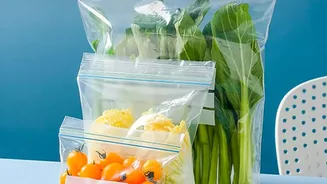
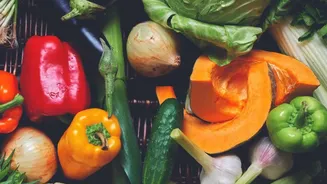
Fresh produce requires a different strategy. Leafy greens are particularly prone to wilting and rotting quickly in the monsoon. Thoroughly wash them and ensure they are completely dry before storage. Wrapping clean, dry greens in paper towels before placing them in the fridge can absorb excess moisture and extend their life. Never store fruits and vegetables together in the same compartment without separation, as some fruits release ethylene gas that can speed up the ripening and decay of vegetables. It’s also wise to clean your refrigerator regularly during this season, as condensation can build up and create a breeding ground for mould. Wiping down shelves and drawers prevents cross-contamination.
Keeping Your Kitchen Environment Dry
Your storage habits are only as good as the environment you create. Make a conscious effort to keep the kitchen as dry as possible. Always use a dry spoon when scooping out spices or flour, and never shake a container directly over a steaming pot. Wipe up spills immediately and ensure countertops and sinks are dry. For pantries and cabinets that feel perpetually damp, natural dehumidifiers can be a lifesaver. Placing small bowls of baking soda, activated charcoal, or even a few camphor balls in the corners can help absorb ambient moisture and prevent that musty monsoon smell. Whenever the rain stops, open windows to improve ventilation and allow air to circulate.
Managing Leftovers Safely
Food spoils much faster in high humidity, and leftovers are especially vulnerable. Cooked rice, in particular, can be risky if left at room temperature for more than an hour, as bacteria can multiply rapidly. If you have leftover rice, cool it quickly by spreading it on a plate, then refrigerate it in an airtight container immediately and consume it within 24 hours. The same rule applies to dal and cooked vegetables, which should ideally be finished within a day or two. It's a good practice to cook in smaller batches during the monsoon to minimise waste and reduce the risk of foodborne illnesses.