


The End of the ‘Off-Season’
For decades, the Indian travel calendar was predictable: summer and winter were for the mountains, while the monsoon was a time to stay home. That calendar is being rewritten. Recent data and travel trends show a significant surge in monsoon travel to North
Indian states like Himachal Pradesh and Uttarakhand. Bookings for destinations like Shimla have seen a staggering 76% jump compared to previous years, and popular spots in Tirthan Valley and Gangtok are seeing visitor increases of nearly 95%. [18] What was once a lean period marked by empty hotels and quiet roads is now a vibrant, sought-after travel season, with many bookings made spontaneously just days before travel. [18]
What's Driving the Downpour of Tourists?
Several factors are fuelling this trend. The primary driver is a fundamental shift in traveller mindset, prioritising experiences over traditional seasonal escapes. [22] Post-pandemic work culture has normalized 'workations,' allowing professionals to trade city apartments for misty mountain-view homestays. Social media also plays a huge role, romanticizing the charm of chai and pakoras against a backdrop of rain-soaked hills. [6] Furthermore, travellers are becoming more adventurous and value-conscious. [8] The monsoon offers significant advantages: lower prices on flights and luxury hotels, and fewer crowds at iconic spots. [13, 21] This confluence of affordability, authenticity, and the desire for unique, experience-led travel has turned the rainy season into a prime vacation window. [10, 22]
The Hottest Monsoon Destinations
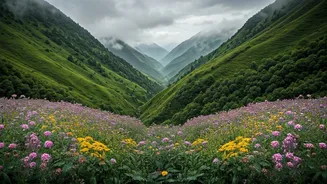
While classic hill stations like Shimla, Mussoorie, and Manali remain popular, the monsoon boom is also shining a light on lesser-known gems. [4, 5, 18] In Uttarakhand, destinations like Kausani and Munsiyari offer untouched, rain-washed beauty with fewer crowds. [6] The Valley of Flowers National Park, a UNESCO World Heritage site, is a prime example of a monsoon-exclusive destination, as it only opens from June to October, with its floral diversity peaking in July and August. [20, 7] Rishikesh has seen a massive 200% increase in searches, climbing the ranks to become a top-three domestic destination, indicating a growing interest in spiritual and adventure activities during this season. [17, 22] Even parts of Rajasthan, like Udaipur and Mount Abu, become surprisingly lush and inviting. [5]
Green Vistas and Red Flags
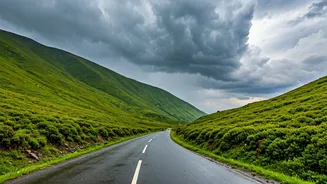
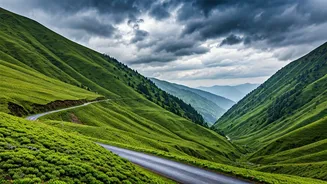
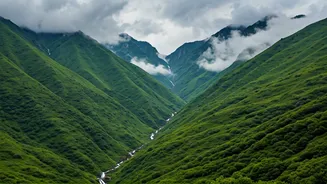
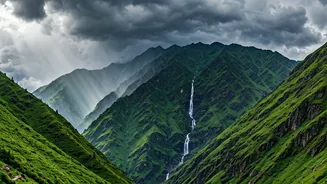
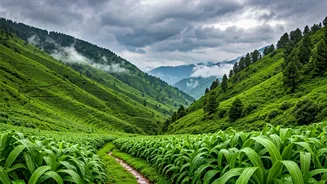
The allure of a monsoon trip to the Himalayas is undeniable: landscapes erupt in vibrant greens, waterfalls cascade down mountainsides, and the air is fresh and cool. [13, 26] However, this beauty comes with inherent risks. The Himalayan region is ecologically fragile, and heavy monsoon rains often trigger landslides, flash floods, and road blockages, sometimes stranding travellers. [11, 14, 16] Climate change has made weather patterns more erratic, with intense rainfall events becoming more frequent. [27] Responsible travel during this season is paramount. Experts advise checking weather forecasts diligently, keeping buffer days in your itinerary to account for potential delays, and heeding local advice about safety conditions. [12] Choosing destinations in the middle Himalayas over the higher, more-at-risk areas can also be a safer bet. [16]
A New Lifeline for Local Economies?
The rise of monsoon tourism offers a significant economic boost to regions heavily dependent on seasonal income. A year-round flow of visitors helps stabilize incomes for hotels, restaurants, taxi drivers, and local artisans who previously faced a months-long slump. [25, 29] This extended season allows for better resource management and more consistent employment. However, the increased footfall also puts immense pressure on local infrastructure, which is often built for averages, not seasonal peaks. [14] The challenge for state governments and local communities is to manage this new wave of tourism sustainably, ensuring that the economic benefits don't come at the cost of environmental degradation or increased risk to life and property. [14, 32]