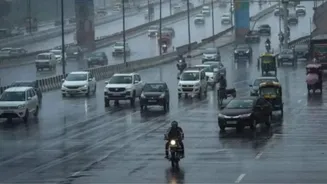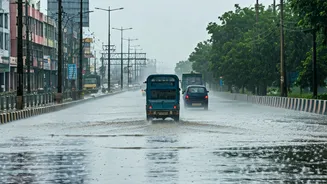









The Annual Monsoon Déjà Vu
As the first spell of significant monsoon rain approaches, a sense of dread descends upon commuters in Delhi, Gurugram, and other urban centres across North India. While the India Meteorological Department (IMD) predicts the arrival of monsoon showers,
for many, this brings not just relief from the heat but the certainty of chaos. [3, 5] Last year's scenes are still fresh: hours-long traffic jams on key expressways like the Delhi-Jaipur highway, waterlogged underpasses turning into impassable pools, and public transport services crippled. [4, 6] In Gurugram, even a few hours of heavy rain have previously led to gridlock stretching for kilometres, with authorities receiving hundreds of distress calls and eventually advising offices to switch to remote work. [8, 10] This isn't just an inconvenience; it's a complete breakdown of urban mobility that repeats with predictable regularity, exposing the fragility of our city infrastructure year after year.
Beyond Clogged Drains: The Systemic Failures
It’s easy to blame clogged drains, and while pre-monsoon desilting is often inadequate, the root cause is far deeper. [15] Experts point to a structural mismatch between rapid, often unplanned, urbanisation and outdated infrastructure. [15] Our cities have become vast stretches of impervious surfaces—concrete and asphalt—that prevent rainwater from seeping naturally into the ground. [11] Bengaluru's lost lakes are a classic example, but the story is the same across North India where green spaces and natural water bodies have been replaced by construction. [11] This dramatically increases surface runoff, overwhelming drainage systems that were never designed for such a load. In Gurugram, the number of identified waterlogging hotspots has risen to 57, a clear indicator that the problem is expanding, not receding, despite civic action plans. [7] This annual crisis is less a natural disaster and more a man-made planning failure. [11]
What 'Smarter Prep' Looks Like for Cities
True preparation goes beyond dispatching pumps to flooded underpasses. A smarter approach involves leveraging technology and embracing nature-based solutions. Cities like Srinagar are adopting Adaptive Traffic Control Systems (ATCS), which use real-time data to adjust signal timings and ease congestion, a technology that could be invaluable during rain-induced snarls. [22] Furthermore, integrating AI with existing CCTV networks can help authorities monitor traffic flow, detect waterlogging in real-time, and divert commuters proactively through variable message signs. [19, 25] The concept of 'sponge cities', which incorporates permeable pavements, rain gardens, and restored wetlands to absorb and manage rainwater, offers a sustainable long-term solution to reduce runoff. [9, 16] This requires a shift from purely reactive measures to a proactive strategy that integrates flood resilience into all urban planning. [14]
How Commuters Can Prepare Themselves
While cities work on systemic fixes, individual preparedness can make a significant difference. Before heading out, check multiple city-specific weather sources and real-time traffic apps, not just a general forecast. [18] For those driving, ensuring your vehicle is monsoon-ready with good tyres, working wipers, and functional lights is non-negotiable. [32] Avoid driving into waterlogged areas where the road condition is unknown. For two-wheeler riders, proper rain gear, a waterproof bag for electronics, and lubricated chains can prevent breakdowns and discomfort. [28] It's also wise to have a small emergency kit in your vehicle, including a flashlight, first-aid supplies, and some dry snacks and water, as a 30-minute commute can easily turn into a multi-hour ordeal. [29, 31]